

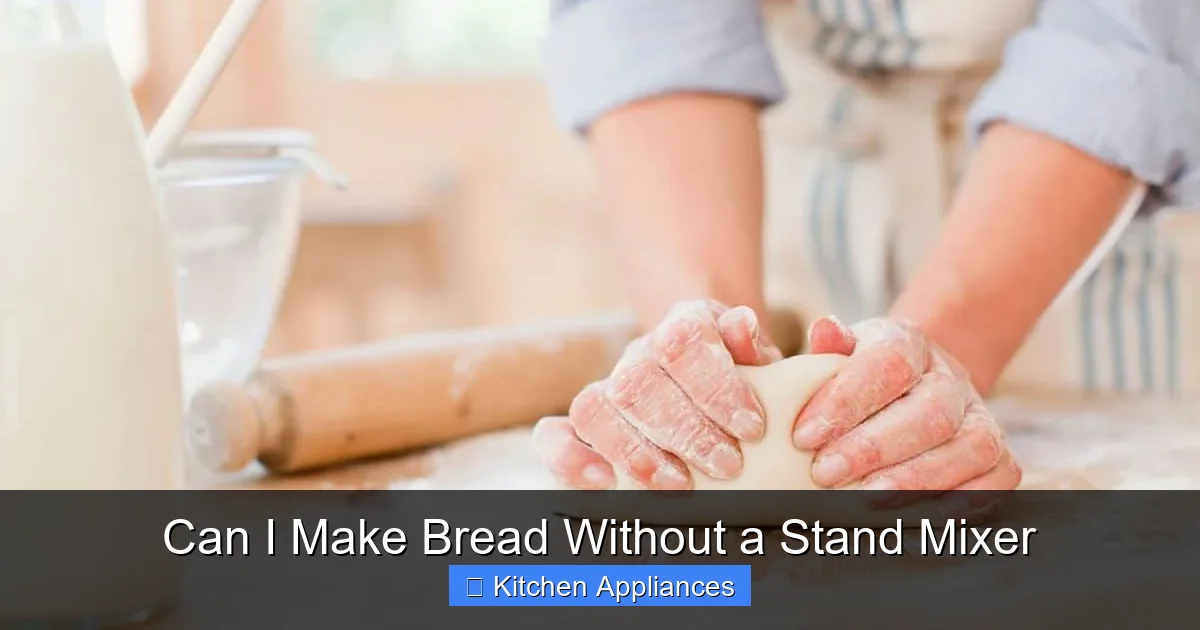
Absolutely—you can make delicious, bakery-quality bread without a stand mixer. With simple hand-kneading methods, a little patience, and the right techniques, anyone can bake fresh bread at home using just a bowl and their hands.
Key Takeaways
- Hand-kneading works perfectly: You don’t need fancy equipment to develop gluten—your hands are powerful tools for mixing and kneading dough.
- Stand mixers are convenient but not essential: While they save time and effort, they’re not a requirement for great bread.
- Use the stretch-and-fold method: This no-knead technique builds strength in dough with minimal effort and is ideal for beginners.
- Choose the right recipe: Start with no-knead or quick-rise breads that require less manual labor.
- Invest in a good dough scraper: This inexpensive tool makes handling sticky dough much easier when working by hand.
- Patience improves results: Longer fermentation times enhance flavor and texture, even without mechanical mixing.
- Clean-up is simpler: Mixing by hand means fewer parts to wash—just one bowl and your hands!
📑 Table of Contents
- Can I Make Bread Without a Stand Mixer?
- Why People Think You Need a Stand Mixer
- Hand-Kneading: The Classic Method
- The No-Knead Bread Revolution
- Alternative Mixing Methods
- Choosing the Right Recipe for Hand Mixing
- Tips for Success When Mixing by Hand
- Conclusion: Yes, You Can Bake Great Bread Without a Stand Mixer
Can I Make Bread Without a Stand Mixer?
If you’ve ever looked at a bread recipe and seen “mix with a stand mixer” and immediately closed the tab, you’re not alone. Many home bakers assume that making bread requires expensive equipment like a stand mixer. But here’s the truth: you absolutely can make bread without a stand mixer—and it can be just as delicious, if not more rewarding.
Bread has been made by hand for thousands of years, long before electric mixers existed. From rustic sourdough loaves to soft sandwich bread, people have relied on their hands, intuition, and time to create nourishing, flavorful bread. While a stand mixer can speed up the process, it’s not a magic wand. The real magic happens in the dough itself—through proper hydration, fermentation, and gluten development—all of which you can achieve with just a bowl, a spoon, and your hands.
So whether you’re on a budget, short on counter space, or simply prefer a more hands-on approach to baking, rest assured: you don’t need a stand mixer to bake amazing bread at home.
Why People Think You Need a Stand Mixer
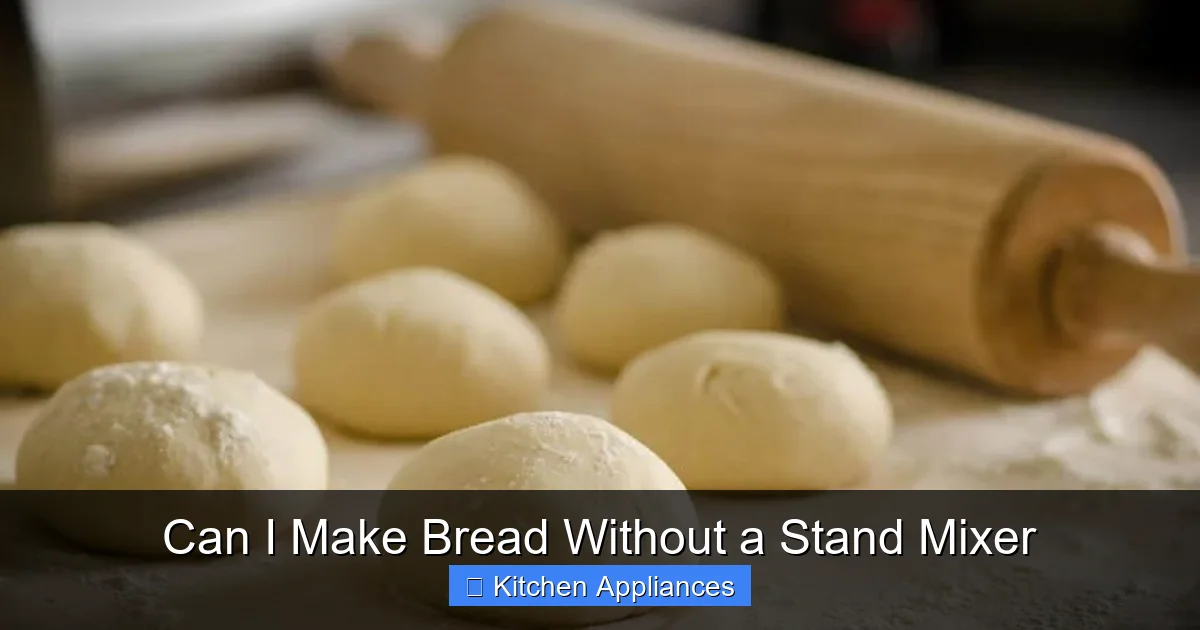
Visual guide about Can I Make Bread Without a Stand Mixer
Image source: kneadrisebake.com
It’s easy to see why so many believe a stand mixer is essential. Recipes often list it as a required tool, and videos show bakers effortlessly mixing dough with the gentle hum of a KitchenAid. Stand mixers are powerful, consistent, and save time—especially when working with stiff doughs like bagel or pizza dough. They also reduce physical strain, which is helpful for people with arthritis or limited hand strength.
But here’s the catch: convenience doesn’t equal necessity. A stand mixer is a helpful kitchen appliance, not a bread-baking prerequisite. In fact, many professional bakers and artisans still mix and knead by hand to better feel the dough’s texture and progress. They say it helps them “listen” to the dough—adjusting water, flour, or timing based on touch and sight.
If you’re curious about the role of stand mixers in baking, check out our Ultimate Guide Of Stand Mixer In Kitchen to understand when and why they’re useful—and when they’re not.
Hand-Kneading: The Classic Method
How to Knead Dough by Hand
Kneading by hand might sound intimidating, but it’s simpler than you think. Start by mixing your ingredients in a large bowl until a shaggy dough forms. Then, turn it out onto a lightly floured surface and begin kneading.
Use the heel of your hand to push the dough away from you, then fold it back over itself. Give it a quarter turn and repeat. This motion stretches and strengthens the gluten network, which gives bread its structure and chew. Most bread doughs need about 8–10 minutes of kneading by hand. You’ll know it’s ready when the dough becomes smooth, elastic, and springs back when poked.
Tips for Easier Hand-Kneading
– Use a damp cloth under your bowl to prevent slipping.
– Keep your hands lightly floured, but avoid adding too much flour—this can make the dough tough.
– Take breaks if your arms get tired. Kneading is physical, but it doesn’t have to be rushed.
– Work on a clean, sturdy surface like a countertop or wooden board.
Many bakers find hand-kneading meditative. It gives you a chance to connect with the process and really understand how the dough transforms from sticky to smooth. Plus, it’s a great arm workout!
The No-Knead Bread Revolution
What Is No-Knead Bread?
No-knead bread is a game-changer for home bakers. Popularized by Jim Lahey of Sullivan Street Bakery and later featured in the New York Times, this method uses a long, slow fermentation (usually 12–18 hours) to develop flavor and texture without any kneading.
The dough is mixed with just four ingredients: flour, water, yeast, and salt. It’s left to rest at room temperature, during which natural enzymes and yeast work together to build gluten and create air pockets. The result? A crusty, chewy loaf with a bubbly interior—no mixer, no kneading, no stress.
Why No-Knead Works Without a Mixer
Because the dough is very wet (high hydration), it develops structure through time, not force. The long rise allows gluten to form naturally, so you don’t need to knead or mix vigorously. This method is perfect for beginners or anyone who wants great bread with minimal effort.
Try this simple no-knead recipe:
– 3 cups (360g) all-purpose flour
– 1 ½ teaspoons salt
– ¼ teaspoon active dry yeast
– 1 ½ cups (360ml) warm water
Mix in a bowl, cover, and let sit for 12–18 hours. Shape, proof for 2 hours, then bake in a preheated Dutch oven at 450°F (230°C) for 30 minutes covered, 15 uncovered.
Alternative Mixing Methods
The Stretch-and-Fold Technique
This method is perfect for high-hydration doughs like sourdough or ciabatta. Instead of traditional kneading, you perform a series of “stretch and folds” every 30 minutes during the first few hours of fermentation.
Here’s how it works:
1. After mixing the dough, let it rest for 30 minutes (this is called autolyse).
2. Grab one side of the dough, stretch it upward, and fold it over itself.
3. Rotate the bowl 90 degrees and repeat on all four sides.
4. Cover and wait 30 minutes. Repeat the process 3–4 more times.
This gentle folding builds strength without overworking the dough. It’s less tiring than kneading and gives you more control over the fermentation process.
Using a Fork or Spoon
For smaller batches or simpler breads, you can mix everything in a bowl with a fork or wooden spoon. This works well for sandwich bread, dinner rolls, or quick breads. Just stir until no dry flour remains, then turn out and knead briefly by hand.
The Bowl Scraper Hack
A dough scraper (also called a bench scraper) is a must-have tool when mixing by hand. It helps you gather sticky dough, scrape the bowl clean, and fold the dough during stretch-and-fold sessions. It’s inexpensive, easy to clean, and makes hand-mixing much more efficient.
Choosing the Right Recipe for Hand Mixing
Not all bread recipes are created equal when it comes to hand mixing. Some are naturally more suited to manual methods.
Best Bread Types to Make Without a Mixer
– No-knead bread: Requires zero kneading and minimal mixing.
– Sourdough: Often uses stretch-and-fold; thrives on time, not machinery.
– Sandwich bread: Can be mixed by hand; just needs 8–10 minutes of kneading.
– Focaccia: High hydration, but mixing is simple with a bowl and spoon.
– Dinner rolls: Smaller batches are easy to handle manually.
Recipes to Avoid (or Modify)
– Bagels: Very stiff dough; can be tough to knead by hand. Consider using a food processor or reducing the batch size.
– Pizza dough (thick crust):** Requires strong gluten development; hand-kneading works but takes effort.
– Brioche:** High fat content makes dough sticky; use a dough scraper and take your time.
When in doubt, look for recipes labeled “no-knead,” “easy,” or “beginner-friendly.” These are more likely to be mixer-free friendly.
Tips for Success When Mixing by Hand
Use the Right Bowl
Choose a large, sturdy bowl with a wide base. Glass or ceramic bowls are great because they’re easy to clean and don’t retain odors. Make sure it’s big enough to allow for dough expansion—dough can double or triple in size.
Control the Environment
Temperature matters. Warm water (about 100–110°F or 38–43°C) helps activate yeast, but too hot can kill it. In cold kitchens, let dough rise near a warm appliance or in a turned-off oven with the light on.
Be Patient with Rising Times
Hand-mixed dough may take slightly longer to rise than machine-mixed dough, especially if gluten development is slower. Don’t rush it. Let the dough rise until it’s visibly puffy and passes the “poke test” (when you gently press it, the indentation slowly springs back).
Clean as You Go
Mixing by hand means fewer parts to wash, but it’s still smart to rinse your bowl and tools while the dough rises. Sticky dough can harden and become difficult to clean later.
Conclusion: Yes, You Can Bake Great Bread Without a Stand Mixer
Making bread without a stand mixer isn’t just possible—it’s empowering. You’ll gain a deeper understanding of dough, improve your baking intuition, and enjoy the satisfaction of creating something delicious with your own hands. Whether you use traditional kneading, the no-knead method, or stretch-and-fold techniques, the results can be just as impressive as any mixer-made loaf.
So go ahead—grab a bowl, some flour, and get mixing. Your perfect loaf of bread is waiting, and it doesn’t need a motor to come to life.
Frequently Asked Questions
Can I make sourdough without a stand mixer?
Absolutely! Sourdough is often made by hand using the stretch-and-fold method. The long fermentation process develops gluten naturally, so no mixer is needed.
Is hand-kneading harder than using a mixer?
It can be more physically demanding, but it’s not difficult. With practice, most people find hand-kneading manageable and even enjoyable. Take breaks if needed.
What’s the easiest bread to make without a mixer?
No-knead bread is the easiest. It requires only mixing, a long rise, and baking—no kneading or special tools.
Do I need a dough scraper?
Not required, but highly recommended. A dough scraper makes handling sticky dough much easier and helps keep your workspace clean.
Can I use a hand mixer instead of a stand mixer?
Yes, a hand mixer can work for lighter doughs like sandwich bread, but it may struggle with stiff doughs. It’s a middle ground between hand-kneading and a stand mixer.
Will my bread taste different without a mixer?
Not necessarily. Flavor comes from ingredients, fermentation, and technique—not the tool used to mix. In fact, slower hand methods can enhance flavor.
