


Low carb vegetable recipes are a tasty, nutritious way to cut carbs without sacrificing flavor or satisfaction. From zucchini noodles to cauliflower rice, these dishes support weight loss, boost energy, and improve overall health—all while being simple to prepare and full of vibrant ingredients.
Key Takeaways
- Vegetables are naturally low in carbs and high in fiber: Most non-starchy vegetables contain fewer than 5 grams of net carbs per serving, making them ideal for low carb diets.
- Low carb vegetable recipes support weight loss and blood sugar control: Reducing refined carbs and focusing on whole vegetables helps stabilize insulin levels and reduce cravings.
- Versatile ingredients like zucchini, cauliflower, and broccoli can replace high-carb staples: Use spiralized zucchini instead of pasta or riced cauliflower instead of rice for satisfying meals.
- Healthy fats enhance flavor and satiety: Adding olive oil, avocado, or nuts to vegetable dishes improves taste and keeps you full longer.
- Meal prep-friendly options save time: Many low carb vegetable recipes can be prepped ahead, making healthy eating convenient during busy weeks.
- Seasonal and colorful veggies boost nutrition: Eating a variety of colorful vegetables ensures a wide range of vitamins, minerals, and antioxidants.
- Simple seasonings and herbs elevate flavor without added carbs: Garlic, lemon, herbs, and spices add depth to dishes without relying on sugar or flour-based sauces.
Quick Answers to Common Questions
What counts as a low carb vegetable?
Low carb vegetables are non-starchy and contain fewer than 5 grams of net carbs per serving. Examples include zucchini, cauliflower, broccoli, spinach, and bell peppers.
Can I eat potatoes on a low carb diet?
Potatoes are high in carbs (about 37 grams per medium potato), so they’re not ideal for strict low carb plans. Try cauliflower mash or turnip instead.
Are frozen vegetables okay for low carb recipes?
Yes! Frozen vegetables are just as nutritious as fresh and often more convenient. Look for plain, unseasoned options without added sauces or sugars.
How do I prevent zucchini noodles from getting soggy?
Salt the zoodles and let them sit for 10 minutes to draw out moisture. Pat them dry before cooking, and avoid overcooking—2–3 minutes is enough.
Can I eat fruit on a low carb diet?
Some fruits like berries (strawberries, raspberries) are low in carbs and okay in moderation. Avoid high-sugar fruits like bananas and grapes.
📑 Table of Contents
Why Low Carb Vegetable Recipes Are a Game-Changer
Let’s be honest—cutting back on carbs can feel overwhelming, especially when you’re used to meals built around bread, pasta, and rice. But what if you could enjoy hearty, satisfying dishes that are not only low in carbs but also bursting with flavor and nutrition? That’s where low carb vegetable recipes come in. These dishes put vegetables front and center, using creative techniques and smart swaps to deliver meals that are both delicious and diet-friendly.
Whether you’re following a ketogenic diet, managing diabetes, or simply trying to eat cleaner, low carb vegetable recipes offer a sustainable way to improve your health. They’re rich in fiber, vitamins, and antioxidants while being naturally low in calories and refined sugars. Plus, they’re incredibly versatile—perfect for breakfast, lunch, dinner, or even snacks. With the right recipes, eating low carb doesn’t mean eating boring.
Top Low Carb Vegetables to Stock in Your Kitchen
Not all vegetables are created equal when it comes to carb content. Starchy veggies like potatoes, corn, and peas are higher in carbs and best limited on a low carb plan. Instead, focus on non-starchy vegetables that are low in net carbs (total carbs minus fiber) and high in nutrients.
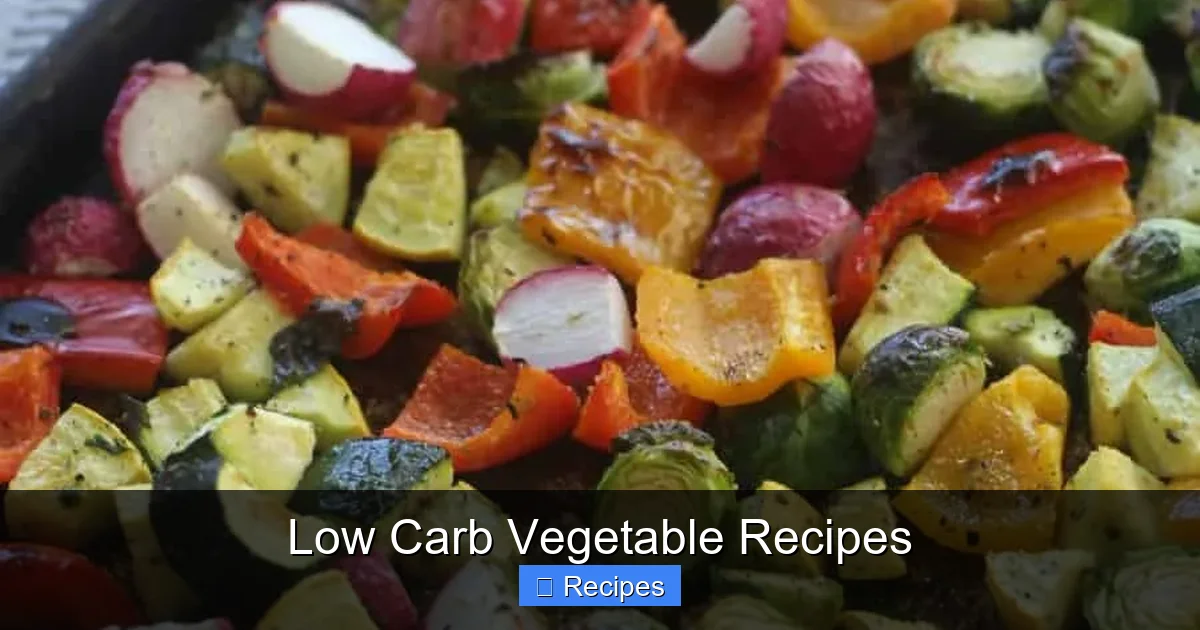
Visual guide about Low Carb Vegetable Recipes
Image source: moscatomom.com
Best Choices for Low Carb Cooking
- Zucchini: With only 3 grams of net carbs per cup, zucchini is a superstar. Spiralize it into noodles, slice it into chips, or grate it into fritters.
- Cauliflower: At just 2–3 grams of net carbs per cup, cauliflower can mimic rice, mashed potatoes, or even pizza crust.
- Broccoli: Packed with vitamin C and fiber, broccoli has about 4 grams of net carbs per cup and works well roasted, steamed, or stir-fried.
- Spinach and leafy greens: Kale, arugula, and spinach are extremely low in carbs (1–2 grams per cup) and rich in iron and folate.
- Bell peppers: Colorful and crunchy, bell peppers add sweetness and crunch with only 4–5 grams of net carbs per cup.
- Asparagus: A spring favorite, asparagus has just 2 grams of net carbs per half-cup and is delicious grilled or roasted.
Vegetables to Eat in Moderation
Some vegetables are nutritious but higher in carbs, so enjoy them in smaller portions. These include carrots (6 grams net carbs per cup), beets (9 grams), and sweet potatoes (17 grams). A small serving can still fit into a low carb diet, but track your intake if you’re aiming for very low carb levels.
Creative Ways to Use Low Carb Vegetables
The beauty of low carb vegetable recipes is their adaptability. You can transform everyday veggies into meals that feel indulgent without the guilt. Here are some popular and practical swaps and techniques to try at home.
Zucchini Noodles (Zoodles)
Spiralized zucchini is a go-to for pasta lovers. Simply use a spiralizer or vegetable peeler to create thin noodles, then sauté them lightly in olive oil with garlic and cherry tomatoes. Top with grilled chicken or shrimp for a complete meal. To avoid sogginess, salt the zoodles and let them drain for 10 minutes before cooking.
Cauliflower Rice
Pulse cauliflower florets in a food processor until they resemble rice grains. Sauté with onions, garlic, and your favorite seasonings for a quick side dish or base for stir-fries. You can also bake it into a cheesy casserole or use it in sushi rolls. Frozen cauliflower rice is a convenient option—just thaw and cook.
Stuffed Bell Peppers
Hollow out bell peppers and fill them with a mixture of ground turkey, diced mushrooms, onions, and spices. Bake until tender and top with a sprinkle of cheese. This dish is hearty, colorful, and packed with flavor—perfect for meal prep.
Roasted Vegetable Medley
Toss chopped broccoli, cauliflower, zucchini, and asparagus with olive oil, salt, pepper, and Italian herbs. Roast at 400°F (200°C) for 20–25 minutes until caramelized and tender. Serve as a side or add to salads and grain bowls (using low carb grains like quinoa in moderation).
5 Delicious Low Carb Vegetable Recipes to Try Tonight
Ready to get cooking? These five easy, flavorful recipes prove that low carb eating doesn’t have to be complicated or bland. Each one uses simple ingredients and comes together in under 30 minutes.
1. Garlic Butter Zucchini Noodles
Ingredients: 2 medium zucchinis (spiralized), 2 tbsp butter, 2 cloves garlic (minced), salt, pepper, grated Parmesan (optional).
Instructions: Sauté garlic in butter over medium heat for 1 minute. Add zoodles and cook for 2–3 minutes until just tender. Season with salt and pepper. Top with Parmesan if desired. Serves 2.
2. Cauliflower Fried “Rice”
Ingredients: 1 head cauliflower (riced), 1 egg, 1 cup mixed veggies (peas, carrots—use sparingly), 2 tbsp soy sauce or coconut aminos, 1 tbsp sesame oil, green onions.
Instructions: Scramble the egg in a pan and set aside. Sauté riced cauliflower and veggies in sesame oil for 5–7 minutes. Stir in soy sauce and cooked egg. Garnish with green onions.
3. Cheesy Broccoli Bake
Ingredients: 2 cups broccoli florets, 1 cup shredded cheddar, 1/2 cup heavy cream, 1/4 cup grated Parmesan, salt, pepper.
Instructions: Steam broccoli until tender. Mix with cream, cheeses, and seasonings. Transfer to a baking dish and bake at 375°F (190°C) for 15 minutes until bubbly and golden.
4. Avocado and Spinach Salad with Lemon Vinaigrette
Ingredients: 4 cups baby spinach, 1 avocado (sliced), 1/4 cup walnuts, 2 tbsp olive oil, 1 tbsp lemon juice, salt, pepper.
Instructions: Toss spinach, avocado, and walnuts in a bowl. Whisk olive oil, lemon juice, salt, and pepper. Drizzle over salad and serve immediately.
5. Stuffed Portobello Mushrooms
Ingredients: 4 large portobello caps, 1 cup spinach (chopped), 1/2 cup ricotta, 1/4 cup sun-dried tomatoes, 1 clove garlic, olive oil.
Instructions: Remove stems and brush caps with olive oil. Sauté spinach, garlic, and tomatoes. Mix with ricotta. Stuff mushrooms and bake at 375°F (190°C) for 20 minutes.
Tips for Success with Low Carb Vegetable Recipes
Even the best recipes can fall flat without the right approach. These practical tips will help you get the most out of your low carb vegetable meals.
Season Generously
Low carb doesn’t mean low flavor. Use fresh herbs like basil, cilantro, and parsley. Add depth with garlic, onion powder, smoked paprika, or red pepper flakes. A squeeze of lemon or lime can brighten any dish.
Don’t Overcook Your Veggies
Overcooked vegetables lose texture and nutrients. Aim for a crisp-tender bite, especially with zucchini and broccoli. Quick sautéing or roasting at high heat preserves color and crunch.
Pair with Healthy Fats
Fats like olive oil, avocado, and nuts not only enhance flavor but also help your body absorb fat-soluble vitamins (A, D, E, K). A drizzle of olive oil on roasted veggies or a handful of almonds on a salad makes a big difference.
Meal Prep Smart
Chop and wash vegetables ahead of time. Store them in airtight containers in the fridge. Pre-portion snacks like cucumber slices or bell pepper strips for easy grab-and-go options.
Experiment with Global Flavors
Try Mediterranean (olive oil, oregano, feta), Asian (ginger, soy sauce, sesame), or Mexican (cilantro, lime, chili) seasonings to keep meals exciting. Low carb eating should feel like an adventure, not a restriction.
Conclusion: Eat More Veggies, Feel Better Every Day
Low carb vegetable recipes are more than just a dietary trend—they’re a sustainable way to nourish your body, manage weight, and enjoy food without compromise. By focusing on whole, colorful vegetables and creative cooking methods, you can build meals that are satisfying, nutritious, and full of life.
Whether you’re new to low carb eating or a seasoned pro, these recipes and tips make it easy to eat well every day. Start simple, stay consistent, and don’t be afraid to experiment. Your taste buds—and your body—will thank you.
Frequently Asked Questions
Are low carb vegetable recipes suitable for diabetics?
Yes, low carb vegetable recipes can help manage blood sugar levels by reducing carbohydrate intake and increasing fiber. Always consult your doctor or dietitian for personalized advice.
Do I need special tools to make low carb vegetable dishes?
While tools like spiralizers or food processors make prep easier, they’re not essential. A sharp knife and vegetable peeler can work just as well for most recipes.
Can kids eat low carb vegetable recipes?
Absolutely. These recipes are healthy and kid-friendly. Involve children in meal prep and offer fun shapes like zoodles or veggie “chips” to encourage eating more vegetables.
How many carbs are in a typical low carb vegetable meal?
Most low carb vegetable meals contain 5–10 grams of net carbs per serving, depending on ingredients and portion size. This fits well within standard low carb or keto guidelines.
Can I eat unlimited vegetables on a low carb diet?
While vegetables are healthy, portion control still matters. Very large portions of higher-carb veggies (like carrots or beets) can add up. Focus on volume with low-carb options.
Are low carb vegetable recipes expensive?
Not necessarily. Many low carb vegetables like cabbage, zucchini, and broccoli are affordable, especially when bought in season or frozen. Planning meals helps reduce waste and cost.
