

Low carb cabbage recipes are a game-changer for anyone looking to eat healthier without sacrificing flavor. From hearty soups to sizzling stir-fries, cabbage is a versatile, nutrient-rich vegetable that fits perfectly into low carb and keto diets. These recipes are simple, satisfying, and designed to keep you full and energized.
Key Takeaways
- Cabbage is low in carbs and high in fiber: One cup of raw cabbage contains only about 5 grams of carbs and 2 grams of fiber, making it ideal for low carb diets.
- It’s incredibly versatile: Cabbage can be boiled, steamed, sautéed, roasted, or eaten raw in salads and slaws.
- Rich in vitamins and antioxidants: Cabbage is loaded with vitamin C, vitamin K, and antioxidants that support immune health and reduce inflammation.
- Perfect for meal prep: Many cabbage-based dishes store well and taste even better the next day.
- Supports weight loss: Low in calories and high in volume, cabbage helps you feel full longer without spiking blood sugar.
- Great for keto and paleo diets: Naturally gluten-free and grain-free, cabbage fits into multiple dietary lifestyles.
- Easy on the wallet: Cabbage is one of the most affordable vegetables, making these recipes budget-friendly.
Quick Answers to Common Questions
Is cabbage keto-friendly?
Yes! Cabbage is very low in carbs and high in fiber, making it an excellent choice for keto diets. One cup of raw cabbage has only about 5 grams of carbs and 2 grams of fiber.
Can I eat cabbage raw?
Absolutely. Raw cabbage is crunchy and refreshing, perfect for salads, slaws, and snacks. Just be sure to wash it thoroughly before eating.
How long does cooked cabbage last in the fridge?
Cooked cabbage dishes can be stored in an airtight container in the refrigerator for up to 4–5 days. Reheat gently on the stove or in the microwave.
Does cabbage cause gas?
Cabbage contains raffinose, a sugar that can cause gas in some people. Cooking it thoroughly or pairing it with digestive herbs like fennel or ginger can help reduce this effect.
Can I freeze cabbage?
Yes, but it’s best to blanch it first. Chop or shred the cabbage, blanch in boiling water for 2 minutes, cool in ice water, drain, and freeze in airtight bags for up to 6 months.
📑 Table of Contents
Why Cabbage Is a Low Carb Superstar
When it comes to low carb cooking, cabbage often flies under the radar—but it shouldn’t. This humble cruciferous vegetable is a nutritional powerhouse and a staple in many healthy eating plans. With just 22 calories and 5 grams of carbohydrates per cup (raw), cabbage is a dream ingredient for anyone watching their carb intake. Plus, it’s packed with fiber, which helps keep you full and supports digestive health.
But the benefits don’t stop there. Cabbage is rich in vitamin C—more than oranges per gram—and contains compounds like sulforaphane that have been linked to reduced inflammation and improved heart health. Whether you’re following a keto, paleo, or simply a low carb lifestyle, cabbage offers a satisfying crunch and mild flavor that pairs well with almost anything. And the best part? It’s incredibly affordable and available year-round, making it a practical choice for everyday meals.
Top 6 Low Carb Cabbage Recipes You’ll Love
Cabbage Stir-Fry with Garlic and Ginger
This quick and flavorful stir-fry comes together in under 20 minutes and is perfect for busy weeknights. Simply heat a tablespoon of olive oil or avocado oil in a large skillet over medium-high heat. Add thinly sliced cabbage, minced garlic, and fresh ginger. Sauté for 8–10 minutes until the cabbage is tender-crisp. Season with soy sauce or coconut aminos, a splash of rice vinegar, and a pinch of red pepper flakes for heat. Serve as a side dish or over cauliflower rice for a complete low carb meal.
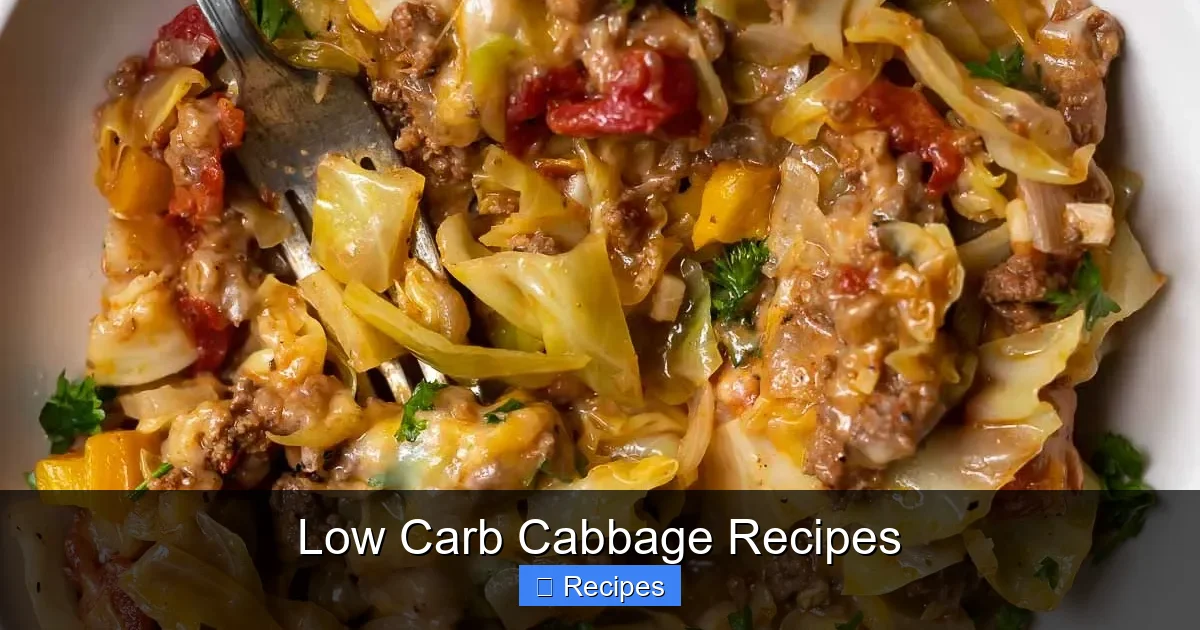
Visual guide about Low Carb Cabbage Recipes
Image source: i2.wp.com
Low Carb Cabbage Soup (aka “Detox Soup”)
This hearty, veggie-packed soup is a favorite among low carb dieters and is often used in cleansing diets. Start by sautéing onions, celery, and carrots in olive oil until softened. Add chopped cabbage, diced tomatoes (low sugar variety), garlic, and broth (chicken or vegetable). Simmer for 20–25 minutes until all vegetables are tender. Season with herbs like thyme, bay leaves, and black pepper. This soup is not only low in carbs but also high in volume, helping you feel full without overeating.
Cabbage Rolls with Ground Turkey
Swap traditional rice-filled cabbage rolls for a low carb version using ground turkey and cauliflower rice. Blanch whole cabbage leaves in boiling water until pliable, then carefully peel them off. In a bowl, mix cooked cauliflower rice, ground turkey, onion, garlic, egg, and seasonings like paprika and oregano. Spoon the mixture into each cabbage leaf and roll tightly. Place in a baking dish, top with sugar-free tomato sauce, and bake at 375°F for 30–35 minutes. These rolls are comforting, flavorful, and perfect for freezing.
Keto Cabbage Slaw with Creamy Dressing
A crunchy, refreshing slaw is a great way to enjoy raw cabbage. Combine shredded green or purple cabbage with sliced red onion, shredded carrots, and fresh parsley. For the dressing, whisk together mayonnaise, apple cider vinegar, Dijon mustard, a touch of erythritol or stevia, salt, and pepper. Toss the vegetables in the dressing and let it chill for at least 30 minutes before serving. This slaw pairs beautifully with grilled chicken, fish, or as a topping for low carb tacos.
Roasted Cabbage Wedges with Bacon
Roasting cabbage transforms its texture into something surprisingly rich and caramelized. Cut a head of cabbage into thick wedges, leaving the core intact to hold the pieces together. Brush with melted butter or olive oil, season with salt, pepper, and garlic powder, then wrap each wedge in a slice of bacon. Roast on a baking sheet at 400°F for 25–30 minutes, flipping halfway through. The result is a smoky, savory side dish that even picky eaters will enjoy.
Cabbage and Sausage Skillet
This one-pan meal is hearty, satisfying, and full of flavor. Brown sliced low carb sausage (like turkey or chicken sausage) in a skillet, then remove and set aside. In the same pan, sauté chopped cabbage, bell peppers, and onions until tender. Return the sausage to the skillet, add a splash of chicken broth or wine to deglaze, and simmer for 5 minutes. Finish with a sprinkle of fresh herbs like parsley or thyme. Serve hot for a complete low carb dinner.
Tips for Cooking with Cabbage
Choose the Right Type
Green cabbage is the most common and works well in most recipes, but don’t overlook red cabbage (great for slaws and roasting) or savoy cabbage (softer leaves, ideal for wraps). Each type has a slightly different texture and flavor, so experiment to find your favorite.
Prep It Properly
Remove any damaged outer leaves and cut the cabbage in half through the core. Slice or shred as needed. For stir-fries and soups, thin slices work best. For slaws, use a mandoline or sharp knife for even shreds. Always rinse cabbage under cold water before using to remove dirt and pesticides.
Store It Right
Cabbage lasts a long time when stored properly. Keep whole heads in a plastic bag in the crisper drawer of your refrigerator. Once cut, wrap the remaining portion tightly in plastic wrap or place it in an airtight container. It will stay fresh for up to a week.
Boost Flavor with Seasonings
Cabbage has a mild taste, so don’t be shy with herbs and spices. Try pairing it with garlic, onion, cumin, smoked paprika, or fresh herbs like dill and parsley. Acidic ingredients like lemon juice or vinegar also brighten its flavor.
Use It in Place of Higher-Carb Ingredients
Get creative by using cabbage as a substitute for higher-carb foods. Shred it into taco shells, use large leaves as wraps instead of tortillas, or chop it finely to replace noodles in “pasta” dishes. These swaps keep your meals low carb without sacrificing satisfaction.
Nutritional Benefits of Cabbage
Cabbage isn’t just low in carbs—it’s also a nutritional powerhouse. A single cup of raw green cabbage provides over 50% of your daily vitamin C needs and a good dose of vitamin K, which is essential for bone health and blood clotting. It also contains small amounts of folate, potassium, and vitamin B6.
One of the standout features of cabbage is its high antioxidant content. Compounds like anthocyanins (found in red cabbage) and glucosinolates have been studied for their potential to fight oxidative stress and reduce the risk of chronic diseases. These antioxidants also support liver detoxification, which is why cabbage is often included in detox diets.
Additionally, cabbage is rich in fiber—about 2 grams per cup—which promotes healthy digestion and helps regulate blood sugar levels. The combination of low calories, high fiber, and water content makes it an excellent food for weight management. Plus, its mild flavor means it won’t overpower other ingredients, making it a perfect base for a variety of dishes.
How to Incorporate Cabbage into Your Weekly Meal Plan
Including cabbage in your weekly meals is easier than you think. Start by adding it to soups and stews—its texture holds up well during long cooking times. Use it as a base for grain-free bowls, topping it with grilled proteins, avocado, and a drizzle of tahini or pesto.
For breakfast, try sautéing cabbage with eggs and spinach for a hearty veggie scramble. At lunch, pack a container of cabbage slaw or a cabbage-based salad with grilled chicken or tuna. For dinner, rotate through the recipes above to keep things interesting. And don’t forget snacks—raw cabbage sticks with hummus or guacamole make a crunchy, satisfying option.
Meal prepping with cabbage is also a smart move. Chop and shred it ahead of time and store it in the fridge so it’s ready to go. Many cabbage dishes, like soups and casseroles, taste even better the next day, making them perfect for leftovers.
Conclusion
Low carb cabbage recipes are a delicious, nutritious, and budget-friendly way to support your health goals. Whether you’re following a keto diet, trying to lose weight, or simply eating more vegetables, cabbage offers endless possibilities in the kitchen. From soups and stir-fries to slaws and roasted wedges, there’s a recipe for every taste and occasion.
With its impressive nutrient profile, low carb count, and versatility, cabbage deserves a permanent spot in your meal rotation. So next time you’re at the grocery store, grab a head of cabbage and get cooking. Your taste buds—and your body—will thank you.
Frequently Asked Questions
What are the best low carb substitutes for cabbage?
Bok choy, kale, and Brussels sprouts are great low carb alternatives with similar textures and flavors. Each can be used in stir-fries, soups, and roasted dishes.
Can I use red cabbage instead of green cabbage?
Yes, red cabbage works well in most recipes. It has a slightly peppery taste and holds its color when cooked, making dishes more vibrant.
Is cabbage good for weight loss?
Yes. Cabbage is low in calories, high in fiber, and very filling, which helps control appetite and reduce overall calorie intake.
How do I remove the strong smell from cooked cabbage?
Adding acidic ingredients like lemon juice, vinegar, or tomatoes can help neutralize the sulfur smell. Cooking with herbs like bay leaves or thyme also helps.
Can I eat cabbage every day?
Yes, in moderation. Eating cabbage daily is safe for most people and provides consistent fiber and nutrients. Just vary your vegetables to ensure a balanced diet.
Are cabbage wraps a good low carb option?
Absolutely. Large cabbage leaves can be used as wraps instead of tortillas or bread, making them a great low carb alternative for tacos, sandwiches, or stuffed rolls.
