

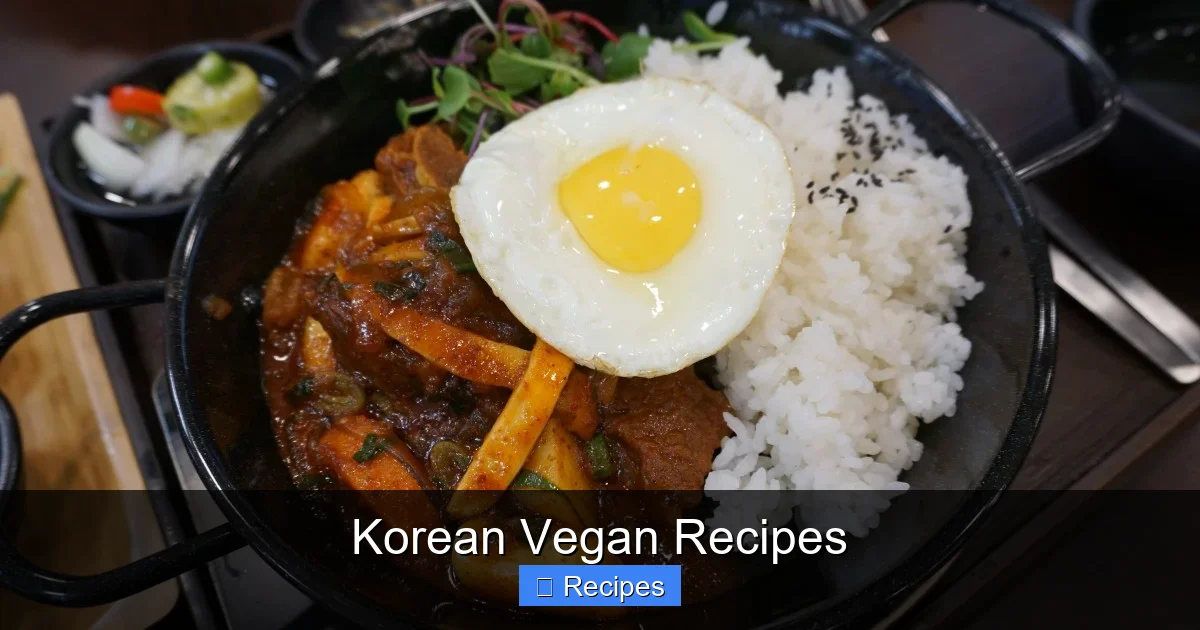
Korean vegan recipes combine bold flavors, fresh ingredients, and traditional techniques into satisfying plant-based meals. From savory bibimbap to spicy kimchi stew, these dishes prove that vegan food can be deeply flavorful and culturally rich.
If you think Korean food is all about bulgogi, galbi, and seafood pancakes, think again. Korean vegan recipes are not only possible—they’re vibrant, satisfying, and deeply rooted in the country’s culinary traditions. While Korean cuisine has long celebrated meat and seafood, its foundation is built on rice, vegetables, fermented foods, and bold seasonings—many of which are naturally plant-based. With a few smart swaps and a love for flavor, you can enjoy authentic-tasting Korean meals without any animal products.
What makes Korean vegan cooking so exciting is its balance of textures and tastes. A single meal might include a warm bowl of rice, a spicy stew, a crunchy salad, and a few savory side dishes—all working together to create a harmonious dining experience. The secret lies in ingredients like gochujang (fermented red chili paste), doenjang (soybean paste), sesame oil, and garlic, which deliver rich umami and depth without relying on meat. Whether you’re new to plant-based eating or a seasoned vegan, Korean recipes offer a delicious way to explore global flavors while staying true to your values.
Key Takeaways
- Korean cuisine is naturally adaptable to vegan diets: Many traditional dishes can be easily modified by swapping out meat and seafood for plant-based alternatives.
- Fermented ingredients are key: Kimchi, doenjang (soybean paste), and gochujang (chili paste) add depth and umami to vegan Korean meals.
- Rice is a staple: Almost every Korean meal includes rice, making it easy to build balanced vegan plates around this foundation.
- Vegetables play a starring role: Banchan (small side dishes) like seasoned spinach, radish salad, and stir-fried mushrooms are naturally vegan and nutrient-rich.
- Broths and soups shine without meat: Anchovy-free dashi and hearty vegetable stews prove that plant-based doesn’t mean bland.
- Simple swaps make a big difference: Replace fish sauce with soy sauce or seaweed, and use tofu or tempeh instead of meat for protein.
- Flavor balance is essential: Korean cooking emphasizes sweet, salty, spicy, and sour notes—achievable entirely with vegan ingredients.
Quick Answers to Common Questions
Can I make Korean food without gochujang?
Yes! While gochujang adds authentic flavor, you can substitute it with a mix of tomato paste, chili flakes, and a bit of sugar. For a quicker fix, use sriracha or another hot sauce, though the taste won’t be exactly the same.
Is all kimchi vegan?
Not necessarily. Traditional kimchi often includes fish sauce or shrimp paste. Always check the label or look for “vegan kimchi” at the store. Making your own is the best way to ensure it’s plant-based.
What can I use instead of fish sauce in Korean recipes?
Use soy sauce, tamari, or a mix of soy sauce and seaweed (like kombu) for umami. Liquid aminos or a dash of miso paste also work well as vegan substitutes.
Are Korean rice cakes vegan?
Most plain tteok (rice cakes) are vegan, but some flavored varieties may contain dairy or eggs. Check the ingredient list or make your own using sweet rice flour.
How do I store fermented Korean ingredients?
Keep gochujang, doenjang, and kimchi in the refrigerator. They’ll last for months and often taste better as they age. Seal containers tightly to prevent odors from spreading.
📑 Table of Contents
Why Korean Vegan Recipes Are Worth Trying
Korean food is known for its bold, complex flavors, and the good news is that many of its most iconic dishes can be made vegan with minimal effort. Unlike some cuisines that rely heavily on dairy or meat for richness, Korean cooking leans on fermented pastes, soy sauce, garlic, ginger, and chilies to build flavor. This makes it surprisingly easy to adapt traditional recipes for a plant-based lifestyle.
Another reason to explore Korean vegan recipes is their emphasis on vegetables. In Korea, meals are rarely centered around a single main dish. Instead, they feature a variety of banchan—small side dishes that often include seasoned greens, pickled radishes, and stir-fried vegetables. These dishes are typically vegan by default and packed with nutrients. Plus, Korean cuisine celebrates seasonal eating, so you’ll naturally be incorporating fresh, local produce into your meals.
Health Benefits of Plant-Based Korean Cooking
Going vegan doesn’t mean sacrificing flavor or satisfaction, especially when you’re cooking Korean-style. Many Korean vegan recipes are naturally low in saturated fat and high in fiber, thanks to the abundance of vegetables, legumes, and whole grains. Fermented foods like kimchi and doenjang also support gut health, thanks to their probiotic content.
Moreover, Korean meals are often balanced and portion-controlled. The combination of rice, vegetables, and a small amount of protein (like tofu or tempeh) creates a satisfying, nutrient-dense plate. This approach aligns well with modern dietary guidelines that emphasize plant-forward eating for long-term health.
Essential Ingredients in Korean Vegan Cooking
Visual guide about Korean Vegan Recipes
Image source: peta.org
To get started with Korean vegan recipes, it helps to stock your pantry with a few key ingredients. These staples form the backbone of many dishes and are widely available at Asian grocery stores or online.
Fermented Pastes and Sauces
Gochujang and doenjang are two of the most important flavor builders in Korean cooking. Gochujang is a thick, spicy-sweet red chili paste made from fermented soybeans, rice, and chili powder. It’s essential for dishes like bibimbap and tteokbokki. Doenjang, a darker, earthier soybean paste, is the base for many soups and stews, including the beloved doenjang-jjigae.
Both pastes are naturally vegan, but always check the label—some brands add fish sauce or other animal-derived ingredients. Look for 100% plant-based versions or make your own at home.
Soy Sauce and Seasoned Soy Sauce (Ganjang)
Korean soy sauce, or ganjang, comes in different varieties, including regular, light, and aged. It’s used for marinating, seasoning, and making dipping sauces. For a richer flavor, try “seasoned soy sauce,” which often includes garlic, ginger, and sesame oil.
Tamari or low-sodium soy sauce can be used as substitutes, but Korean brands like Sempio or Pearl River Bridge offer a more authentic taste.
Vegetables and Fermented Foods
Kimchi is a must-have in any Korean kitchen. While traditional kimchi often includes fish sauce or shrimp paste, vegan versions made with sea salt and seaweed are widely available. Look for “vegan kimchi” at health food stores or make your own using napa cabbage, radish, garlic, ginger, and gochugaru (Korean chili flakes).
Other common vegetables include spinach, zucchini, mushrooms, daikon radish, and perilla leaves. These are often blanched, seasoned, or stir-fried to create flavorful banchan.
Grains and Starches
Short-grain rice is the foundation of most Korean meals. It’s typically steamed and served alongside every dish. For a healthier option, try mixing in brown rice, barley, or quinoa.
Sweet rice (glutinous rice) is used in dishes like tteok (rice cakes), and sweet potato starch is common in soups and pancakes. These ingredients add texture and heartiness to vegan meals.
Popular Korean Vegan Recipes to Try
Ready to cook? Here are some classic Korean dishes that shine in their vegan form.
Vegan Bibimbap
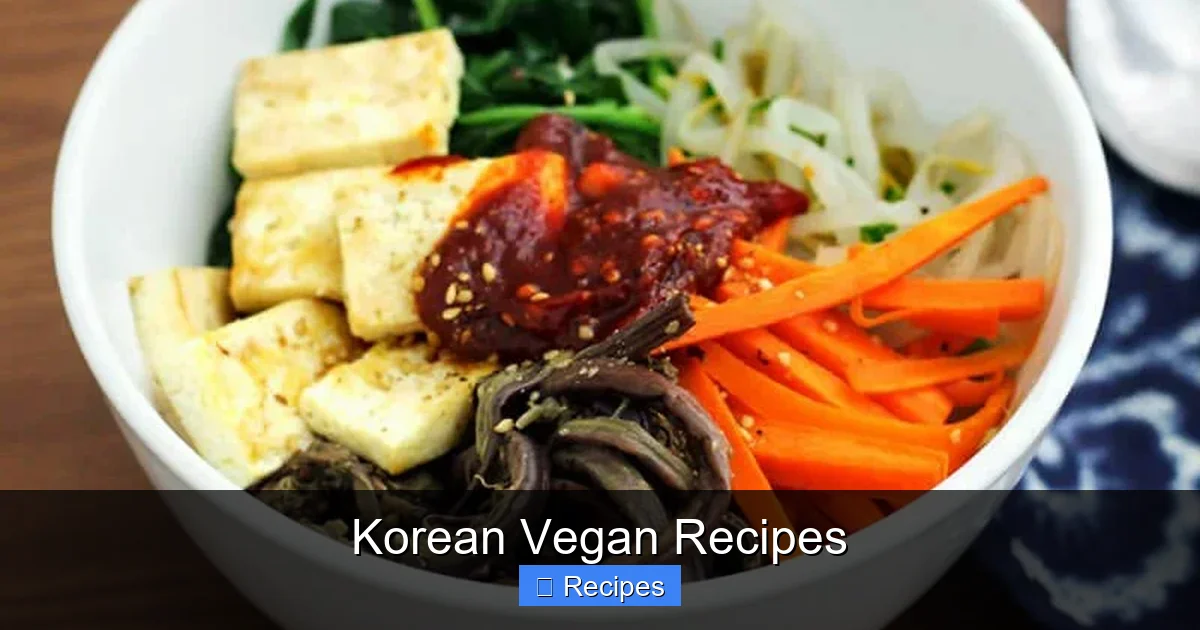
Bibimbap means “mixed rice” and is one of Korea’s most iconic dishes. A bowl of warm rice is topped with an assortment of seasoned vegetables—such as spinach, carrots, mushrooms, and bean sprouts—along with a fried egg (optional for vegans) and a dollop of gochujang. Mix everything together for a burst of flavor.
To make it vegan, simply skip the egg and use tofu or tempeh as a protein source. Sauté the vegetables separately with a bit of sesame oil and soy sauce for extra depth.
Kimchi Jjigae (Kimchi Stew)
This hearty, spicy stew is a comfort food favorite. Made with aged kimchi, tofu, and vegetables, it’s rich, tangy, and deeply satisfying. Use vegan kimchi and a plant-based broth (like mushroom or kombu dashi) to keep it 100% animal-free.
Add potatoes, zucchini, or onions for extra heartiness. Serve with a bowl of rice for a complete meal.
Japchae (Stir-Fried Sweet Potato Noodles)
Japchae is a colorful, slightly sweet dish made with dangmyeon (sweet potato starch noodles), stir-fried vegetables, and a savory-sweet sauce. It’s often served at celebrations and is naturally vegan when made without meat.
Cook the noodles according to package instructions, then toss with sautéed spinach, carrots, mushrooms, and bell peppers. Finish with a sauce made from soy sauce, sesame oil, garlic, and a touch of maple syrup or sugar.
Vegan Tteokbokki
Tteokbokki is a popular street food made with chewy rice cakes in a spicy red sauce. The sauce is typically made with gochujang, sugar, and vinegar. For a vegan version, skip any fish sauce or anchovy broth and use vegetable stock instead.
Add vegetables like cabbage, carrots, and onions to make it more filling. Some versions even include vegan “fish” cakes made from tofu or konjac.
Doenjang Jjigae (Soybean Paste Stew)
This rustic stew is made by dissolving doenjang in water and adding tofu, mushrooms, zucchini, and potatoes. It’s deeply savory and perfect for cold days.
Use a kombu-based dashi (kelp broth) instead of anchovy broth to keep it vegan. The result is a rich, umami-packed stew that tastes just like the traditional version.
Tips for Cooking Korean Vegan Meals at Home
Cooking Korean food at home doesn’t have to be complicated. With a few simple techniques and ingredients, you can recreate restaurant-quality dishes in your own kitchen.
Master the Art of Banchan
Banchan are the small side dishes that accompany every Korean meal. They’re often simple to make and can be prepared in advance. Try blanching spinach and seasoning it with sesame oil, garlic, and salt. Or make a quick radish salad with rice vinegar, sugar, and chili flakes.
Having a few banchan on hand makes it easy to throw together a balanced meal. They also add variety and color to your plate.
Use High-Quality Fermented Ingredients
The flavor of your dish will only be as good as the ingredients you use. Invest in high-quality gochujang, doenjang, and kimchi. Look for brands that list simple, recognizable ingredients and avoid added sugars or preservatives.
If you’re feeling adventurous, try making your own kimchi or doenjang at home. Fermenting your own food is rewarding and ensures it’s 100% vegan.
Balance Your Flavors
Korean cooking is all about balance. Aim for a mix of sweet, salty, spicy, and sour in every dish. If a stew tastes too bland, add a bit more gochujang or soy sauce. If it’s too spicy, balance it with a touch of sugar or rice vinegar.
Taste as you go and adjust seasonings to your preference. Everyone’s palate is different, so don’t be afraid to experiment.
Prep Ahead for Easy Weeknight Meals
Many Korean dishes come together quickly if you prep ingredients in advance. Wash and chop vegetables, cook rice, and make sauces ahead of time. On busy nights, you can simply assemble and heat.
Consider making a big batch of banchan or stew on the weekend and reheating throughout the week. Korean food often tastes even better the next day.
Conclusion
Korean vegan recipes prove that plant-based eating can be exciting, flavorful, and deeply satisfying. By embracing traditional ingredients like fermented pastes, fresh vegetables, and rice, you can enjoy the rich culinary heritage of Korea without compromising your values. Whether you’re making a spicy kimchi stew, a colorful bibimbap, or a comforting bowl of japchae, these dishes offer a delicious way to explore global flavors while nourishing your body.
With a well-stocked pantry and a few simple techniques, anyone can bring the taste of Korea into their kitchen. So grab your gochujang, fire up the stove, and get ready to fall in love with Korean vegan cooking—one bold, plant-powered bite at a time.
Frequently Asked Questions
What makes Korean vegan recipes different from other plant-based cuisines?
Korean vegan recipes stand out for their use of fermented ingredients like gochujang and doenjang, which add deep umami flavors without meat. The emphasis on banchan (side dishes) also creates a balanced, varied meal that’s both satisfying and nutritious.
Can I freeze Korean vegan dishes?
Yes, many Korean vegan dishes freeze well, including stews, soups, and japchae. Store them in airtight containers and reheat on the stove or in the microwave. Rice-based dishes may lose some texture, so consider reheating with a splash of water.
Are Korean vegan recipes gluten-free?
Not always. Soy sauce, doenjang, and some gochujang brands contain wheat. Look for gluten-free versions or substitute with tamari and certified gluten-free pastes.
What’s the best way to reheat Korean leftovers?
Reheat stews and soups on the stove over low heat, adding a bit of water if needed. Rice and banchan can be microwaved or gently warmed in a pan. Avoid overcooking to preserve texture and flavor.
Can I make Korean vegan meals kid-friendly?
Absolutely! Reduce the spice level by using less gochujang or omitting chili flakes. Serve milder dishes like japchae, seasoned spinach, or tofu bibimbap. Kids often enjoy the colorful presentation and mix-and-match nature of Korean meals.
Where can I buy Korean vegan ingredients?
Asian grocery stores, health food shops, and online retailers like Amazon carry Korean vegan staples. Look for brands labeled “vegan” or “100% plant-based” to ensure no animal products are used.
