

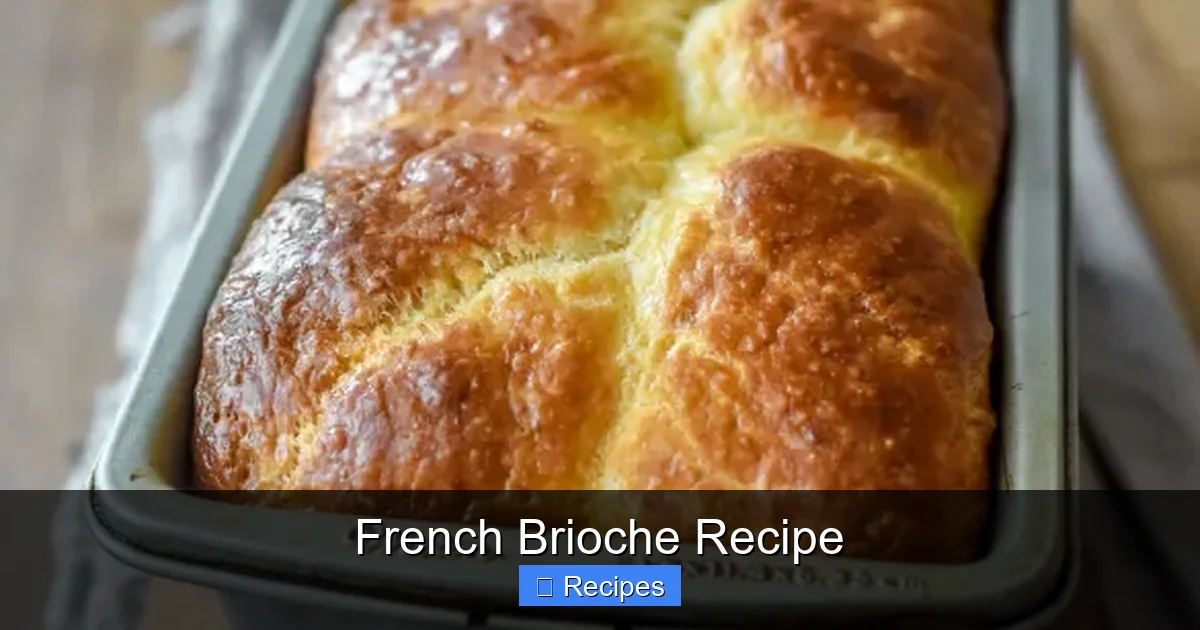
This classic French brioche recipe delivers a rich, tender, and slightly sweet bread with a beautiful golden crust. Made with simple ingredients like flour, eggs, butter, and yeast, it’s perfect for beginners and seasoned bakers alike.
Key Takeaways
- Authentic French flavor: This recipe uses traditional techniques to create a rich, buttery brioche true to its French roots.
- Simple ingredients: Only pantry staples like flour, eggs, butter, sugar, salt, and yeast are needed—no fancy equipment required.
- Perfect texture: The dough is enriched with butter and eggs, resulting in a soft, fluffy crumb and delicate crust.
- Versatile uses: Enjoy it fresh, toasted, or transformed into French toast, bread pudding, or sandwiches.
- Make-ahead friendly: Brioche can be prepared a day in advance and stored properly for maximum freshness.
- Step-by-step guidance: Clear instructions and tips ensure success, even for first-time bakers.
- Customizable: Add chocolate chips, dried fruit, or a twist of citrus zest for a personalized touch.
Quick Answers to Common Questions
Can I make brioche without a stand mixer?
Yes! You can knead the dough by hand. It will take about 15–20 minutes of vigorous kneading, especially during the butter incorporation step. Use a bench scraper to help manage the sticky dough.
Why is my brioche dense?
Dense brioche is often caused by under-kneading, not enough rising time, or using cold ingredients. Make sure your yeast is active, let the dough rise fully, and knead until smooth and elastic.
Can I use salted butter?
It’s best to use unsalted butter so you can control the salt level. If you only have salted butter, reduce the added salt in the recipe by half.
How do I know when the brioche is done baking?
The brioche is done when it’s deep golden brown and the internal temperature reaches 190–200°F (88–93°C). It should also sound hollow when tapped on the bottom.
Can I add chocolate or fruit to the dough?
Absolutely! Fold in 100g of chocolate chips, dried fruit, or citrus zest after the butter is fully incorporated. This adds flavor and texture without compromising the dough.
📑 Table of Contents
What Is French Brioche?
French brioche is a luxurious, enriched bread that’s beloved across France and beyond. Known for its tender, cake-like texture and rich buttery flavor, brioche is a staple at breakfast tables, brunches, and afternoon tea. Unlike regular bread, brioche contains a high proportion of eggs and butter, which gives it a soft, golden crumb and a slightly sweet taste. It’s often shaped into round loaves, braided loaves, or individual rolls, and its versatility makes it perfect for both sweet and savory dishes.
Originating in the Normandy region of France, brioche has a long history dating back to the 15th century. Legend has it that the name comes from the Old French word “broyer,” meaning “to grind,” referring to the way the dough was traditionally kneaded. Over time, brioche evolved into a symbol of indulgence and celebration, often served during holidays and special occasions. Today, it’s enjoyed worldwide, from Parisian cafés to home kitchens, and remains a favorite among bakers for its rich flavor and satisfying texture.
Why This French Brioche Recipe Works
This French brioche recipe is designed to be both authentic and accessible. It uses traditional methods—like kneading by hand or with a stand mixer—and emphasizes patience during the rising process to develop deep flavor and perfect texture. The key to great brioche lies in the balance of ingredients: high-fat butter, fresh eggs, and a touch of sugar create a dough that’s rich, elastic, and incredibly tender when baked.

Visual guide about French Brioche Recipe
Image source: i.ytimg.com
One of the standout features of this recipe is its simplicity. You don’t need specialty tools or hard-to-find ingredients. A stand mixer makes the process easier, but hand-kneading works just as well with a little extra time and effort. The recipe also includes helpful tips for troubleshooting common issues, like dough that’s too sticky or not rising properly. Whether you’re a beginner or an experienced baker, this recipe sets you up for success with clear steps and practical advice.
Ingredients You’ll Need
- 500g (4 cups) bread flour: High-protein flour gives the brioche structure and chew.
- 7g (2¼ tsp) active dry yeast: Ensures a good rise and light texture.
- 85g (6 tbsp) granulated sugar: Adds sweetness and helps with browning.
- 1 tsp salt: Balances the sweetness and enhances flavor.
- 4 large eggs: Room temperature for even mixing.
- 225g (1 cup) unsalted butter: Softened, high-fat butter is essential for richness.
- 60ml (¼ cup) whole milk: Adds moisture and helps activate the yeast.
- 1 egg + 1 tbsp milk (for egg wash): Creates a beautiful golden shine.
Equipment Essentials
- Large mixing bowl or stand mixer with dough hook
- Measuring cups and spoons
- Kitchen scale (recommended for accuracy)
- Plastic wrap or clean kitchen towel
- Baking pan (9×5-inch loaf pan or brioche mold)
- Pastry brush (for egg wash)
Step-by-Step Instructions
1. Activate the Yeast
In a small bowl, combine the warm milk (about 110°F or 43°C) with the yeast and a pinch of sugar. Let it sit for 5–10 minutes until frothy. This step ensures your yeast is alive and active. If it doesn’t bubble, your yeast may be expired, and you’ll need to start over with fresh yeast.
2. Mix the Dough
In a large bowl or the bowl of a stand mixer, combine the flour, sugar, and salt. Add the activated yeast mixture and 3 of the eggs. Mix on low speed (or by hand) until a shaggy dough forms. Increase the speed to medium and knead for 5–7 minutes until the dough becomes smooth and slightly elastic.
3. Incorporate the Butter
This is the most important step for achieving that signature brioche richness. With the mixer running on low, add the softened butter one tablespoon at a time. Wait until each addition is fully absorbed before adding the next. This gradual process prevents the dough from becoming greasy. Once all the butter is incorporated, knead for another 8–10 minutes until the dough is silky, smooth, and pulls away from the sides of the bowl.
4. First Rise
Transfer the dough to a lightly greased bowl, cover with plastic wrap or a clean towel, and let it rise in a warm place for 1.5 to 2 hours, or until doubled in size. The ideal temperature is around 75–80°F (24–27°C). If your kitchen is cool, place the bowl in a slightly warmed oven (turned off) or near a radiator.
5. Shape the Brioche
Punch down the risen dough to release air bubbles. Turn it out onto a lightly floured surface and divide it into equal portions if making rolls or a braided loaf. For a classic round brioche, shape the dough into a smooth ball and place it in a greased brioche mold or loaf pan. For a braided version, roll the dough into ropes and braid them together, tucking the ends under.
6. Second Rise
Cover the shaped dough and let it rise again for 45 minutes to 1 hour, or until puffy and nearly doubled. This final rise ensures a light, airy texture. Meanwhile, preheat your oven to 375°F (190°C).
7. Bake to Perfection
Brush the top of the dough with the egg wash (1 beaten egg + 1 tbsp milk) for a glossy, golden finish. Bake for 25–30 minutes, or until the brioche is deep golden brown and sounds hollow when tapped. If the top browns too quickly, cover it loosely with aluminum foil.
8. Cool and Serve
Let the brioche cool in the pan for 10 minutes, then transfer it to a wire rack to cool completely. This prevents the bottom from becoming soggy. Serve warm or at room temperature. Slice it thick for toast, or pull it apart for a rustic experience.
Tips for Success
Baking brioche can feel intimidating, but with a few key tips, you’ll master it every time. First, always use room-temperature ingredients—cold butter won’t incorporate properly, and cold eggs can shock the yeast. Second, be patient during the butter incorporation step. Rushing this can lead to a broken dough. If the dough looks greasy or separates, don’t panic—just keep kneading. It will come together.
Another tip is to weigh your ingredients. Baking is a science, and using a kitchen scale ensures accuracy, especially with flour, which can vary greatly when measured by volume. Also, don’t skip the second rise. It’s crucial for developing the light, airy texture brioche is known for.
If you’re new to enriched doughs, consider making a smaller test batch first. Once you’re comfortable, scale up and experiment with add-ins like chocolate chips, cinnamon, or orange zest. And remember: brioche tastes even better the next day, so don’t feel pressured to eat it all at once!
Ways to Enjoy French Brioche
French brioche is incredibly versatile. Enjoy it fresh with a pat of butter and a drizzle of honey for a simple breakfast. Toast slices and top with jam, Nutella, or fresh fruit for a quick snack. It’s also the star ingredient in decadent French toast—soak slices in a custard mixture and pan-fry until golden.
For a savory twist, use brioche to make gourmet sandwiches. Try it with smoked salmon, cream cheese, and capers, or as the base for a breakfast burger with egg and bacon. Brioche also shines in desserts like bread pudding or bread and butter pudding, where its richness soaks up custard beautifully.
If you have leftovers, freeze them for up to 3 months. Wrap slices or the whole loaf in plastic wrap and aluminum foil, then thaw at room temperature when ready to use. Reheat in the oven or toaster for that just-baked taste.
Storing and Freezing
To keep your brioche fresh, store it in an airtight container at room temperature for up to 3 days. Avoid plastic bags, as they can make the crust soft. For longer storage, wrap it tightly and freeze for up to 3 months. Thaw at room temperature or reheat in a 300°F (150°C) oven for 10–15 minutes.
If you’re making brioche ahead of time, you can refrigerate the shaped dough overnight after the first rise. Let it come to room temperature before baking, and add a few extra minutes to the baking time. This method develops even more flavor and is perfect for busy mornings.
Conclusion
This French brioche recipe is a celebration of simple ingredients transformed into something extraordinary. With its rich, buttery flavor and tender crumb, it’s a bread that feels indulgent yet comforting. Whether you’re serving it at a special brunch or enjoying a quiet morning with coffee, brioche brings a touch of French elegance to any table.
Don’t be afraid to take your time and savor the process. Kneading the dough, watching it rise, and smelling it bake are all part of the joy of baking. Once you’ve mastered this recipe, you’ll find endless ways to enjoy it—and maybe even inspire others to try their hand at French baking. Bon appétit!
Frequently Asked Questions
What makes brioche different from regular bread?
Brioche is an enriched bread, meaning it contains high amounts of fat (butter) and eggs, which give it a soft, tender crumb and rich flavor. Regular bread typically uses only flour, water, yeast, and salt.
Can I freeze brioche dough before baking?
Yes, you can freeze shaped brioche dough for up to 1 month. Thaw in the refrigerator overnight, then let it rise at room temperature before baking as usual.
Why does my brioche collapse after baking?
Collapsing can happen if the dough is over-proofed, the oven temperature is too low, or the structure isn’t strong enough. Avoid letting the dough rise too long, and ensure your oven is properly preheated.
Is brioche the same as challah?
Both are enriched breads, but brioche is richer due to more butter and sugar, while challah uses oil and is slightly sweeter. Brioche has a softer, more cake-like texture.
Can I make brioche with whole wheat flour?
You can substitute up to half the bread flour with whole wheat, but the texture will be denser. For best results, stick to bread flour for a light, fluffy crumb.
How long does homemade brioche last?
Store brioche in an airtight container at room temperature for up to 3 days. For longer storage, freeze it for up to 3 months and reheat before serving.
