

Fluffy gluten free bread machine recipes make baking simple and stress-free. With the right ingredients and techniques, you can enjoy soft, airy bread without gluten—no kneading or guesswork required.
Key Takeaways
- Use a blend of gluten-free flours: Combining rice, tapioca, and potato starch creates a light, fluffy texture.
- Add xanthan gum or psyllium husk: These binders mimic gluten’s elasticity, improving rise and structure.
- Choose the right machine setting: Use the “gluten-free” or “basic” cycle for best results.
- Let bread cool completely: This prevents gummy centers and improves sliceability.
- Store properly to maintain freshness: Keep in an airtight container or freeze slices for longer shelf life.
- Experiment with add-ins: Seeds, herbs, or sweeteners can enhance flavor and nutrition.
- Measure ingredients precisely: Gluten-free baking is less forgiving—use a kitchen scale when possible.
Quick Answers to Common Questions
Can I use regular yeast in gluten-free bread machine recipes?
Yes, as long as it’s labeled gluten-free. Most active dry and instant yeasts are naturally gluten-free, but always check the package to be safe.
Why is my gluten-free bread dense?
Dense bread is often caused by too much flour, not enough liquid, or expired yeast. Weigh your ingredients and ensure your yeast is fresh.
Can I make dairy-free gluten-free bread in a bread machine?
Absolutely! Substitute milk with almond, oat, or rice milk, and use oil or dairy-free butter instead of regular butter.
How long does bread machine gluten-free bread last?
Stored properly in an airtight container, it stays fresh for 2–3 days at room temperature. For longer storage, freeze sliced loaves.
Can I double a gluten-free bread machine recipe?
No—most machines have a max capacity. Doubling can cause overflow and uneven baking. Stick to the recipe size.
📑 Table of Contents
- Why Fluffy Gluten Free Bread Machine Recipes Are a Game-Changer
- Understanding Gluten-Free Flours and Binders
- Essential Ingredients for Fluffy Results
- Step-by-Step Guide to Using Your Bread Machine
- Top 3 Fluffy Gluten Free Bread Machine Recipes
- Tips for Perfect Loaves Every Time
- Storing and Freezing Your Bread
- Conclusion
Why Fluffy Gluten Free Bread Machine Recipes Are a Game-Changer
If you’ve ever tried gluten-free bread from the store, you know the struggle: it’s often dense, crumbly, or tastes like cardboard. But what if you could make soft, fluffy, bakery-style bread at home—without the hassle of kneading, shaping, or constant monitoring? That’s where fluffy gluten free bread machine recipes come in.
Bread machines take the guesswork out of baking. They mix, knead, rise, and bake—all in one appliance. For those avoiding gluten due to celiac disease, gluten sensitivity, or personal preference, this is a total win. With the right recipe and a few key tips, your machine can produce loaves that are light, springy, and perfect for toast, sandwiches, or simply slathering with butter.
The secret lies in understanding how gluten-free flours behave differently than wheat flour. Without gluten—the protein that gives bread its stretch and structure—you need smart substitutions and techniques to achieve that coveted fluffiness. But don’t worry: once you get the hang of it, baking gluten-free bread becomes second nature.
Understanding Gluten-Free Flours and Binders
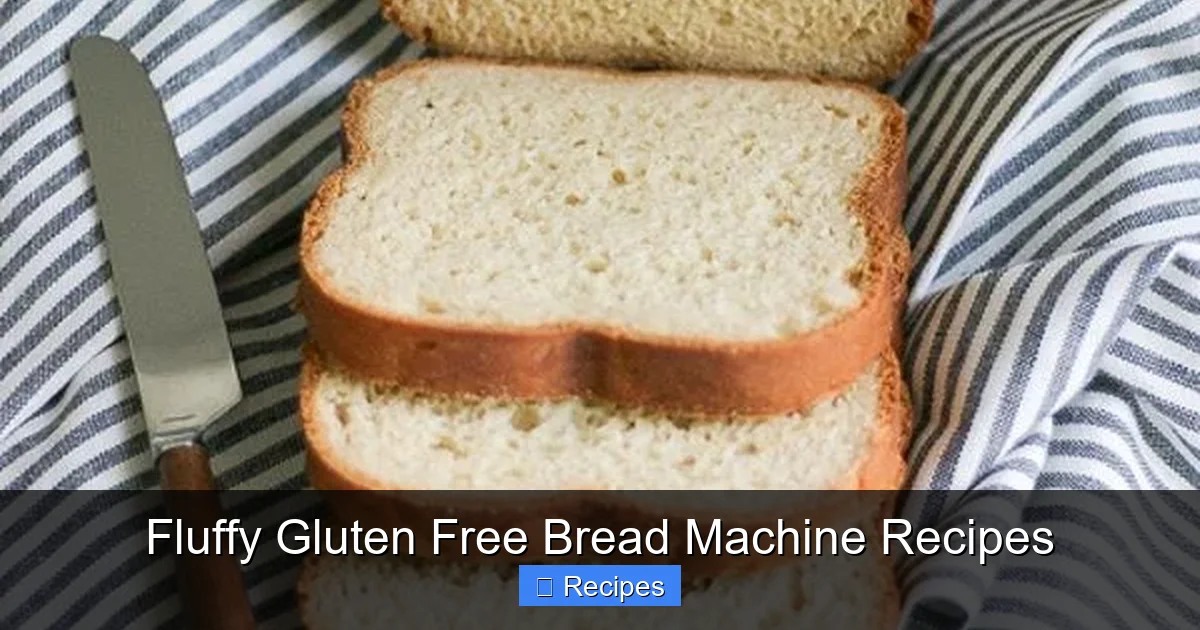
Visual guide about Fluffy Gluten Free Bread Machine Recipes
Image source: i.pinimg.com
Why Flour Blends Work Best
Gluten-free baking isn’t about swapping one flour for another. Instead, it’s about creating a balanced blend that mimics the texture and rise of traditional bread. Most successful fluffy gluten free bread machine recipes use a combination of:
– Rice flour: Provides structure and a mild flavor.
– Tapioca starch: Adds chewiness and helps bind ingredients.
– Potato starch: Contributes moisture and softness.
– Sorghum or oat flour (certified gluten-free): Adds nutrients and a slightly nutty taste.
Using a pre-mixed gluten-free flour blend (like Bob’s Red Mill or King Arthur) can simplify things, but making your own allows you to fine-tune texture and flavor.
The Role of Binders
Since gluten-free flours lack the elasticity of wheat, you need binders to hold the bread together and help it rise. Two of the most effective are:
– Xanthan gum: A common additive that mimics gluten’s stretch. Use 1/2 to 1 teaspoon per cup of flour.
– Psyllium husk powder: A natural fiber that absorbs water and creates a gel-like texture, improving rise and softness. It’s especially great for sourdough-style GF bread.
Tip: If your recipe calls for xanthan gum and you’re out, try substituting with an equal amount of psyllium husk powder—just expect a slightly denser loaf.
Essential Ingredients for Fluffy Results
Liquid and Leavening
Moisture and lift are critical for fluffy bread. Most gluten free bread machine recipes include:
– Warm liquid (water or milk): Around 110°F (43°C)—warm enough to activate yeast but not hot enough to kill it.
– Active dry or instant yeast: Look for gluten-free certified brands like Red Star.
– Eggs: They add structure, moisture, and help with browning.
– Sugar or honey: Feeds the yeast and adds a touch of sweetness.
Fats and Flavor Boosters
Don’t skip the fat! Butter, oil, or dairy-free alternatives like coconut oil add tenderness and richness. A splash of vinegar or apple cider vinegar can also improve rise by reacting with baking soda (if used).
Optional add-ins for flavor and nutrition:
– Ground flax or chia seeds
– Sunflower or pumpkin seeds
– Dried herbs (like rosemary or thyme)
– Cinnamon and raisins for a sweet loaf
Step-by-Step Guide to Using Your Bread Machine
Preparing the Machine
Start by reading your bread machine’s manual—different models have varying capacities and settings. Most machines hold 1.5 to 2-pound loaves. For best results:
– Use the gluten-free setting if available. It typically has a shorter kneading time and longer rise.
– If there’s no GF setting, choose the basic or white bread cycle with a medium crust.
Adding Ingredients in the Right Order
Order matters! Always add liquids first, then dry ingredients, and make a small well in the flour for the yeast. This prevents the yeast from activating too early.
Example layering:
1. Warm water or milk
2. Oil, sugar, salt
3. Eggs (if using)
4. Gluten-free flour blend
5. Xanthan gum or psyllium
6. Yeast (on top of flour, away from liquid)
Baking and Cooling
Once the cycle starts, resist the urge to open the lid—this can cause temperature drops and affect rise. When the machine beeps, carefully remove the loaf and let it cool completely on a wire rack. This is crucial: cutting into warm bread leads to a gummy center.
Tip: If your loaf collapses after baking, it may have risen too much. Try reducing the yeast by 1/4 teaspoon next time.
Top 3 Fluffy Gluten Free Bread Machine Recipes
Classic White Gluten-Free Bread
This all-purpose loaf is perfect for sandwiches and toast.
Ingredients:
– 1 1/2 cups warm water (110°F)
– 2 tbsp olive oil
– 2 tbsp sugar
– 1 tsp salt
– 2 large eggs
– 3 cups gluten-free all-purpose flour blend
– 1 tsp xanthan gum
– 2 1/4 tsp active dry yeast
Instructions:
Add ingredients to the bread machine pan in the order listed. Select the gluten-free or basic cycle. Bake and cool completely before slicing.
Soft Honey Oat Bread (Gluten-Free)
Made with certified gluten-free oats, this loaf is slightly sweet and incredibly moist.
Ingredients:
– 1 1/4 cups warm almond milk
– 1/4 cup honey
– 2 tbsp melted butter
– 1 tsp apple cider vinegar
– 1 large egg
– 2 cups gluten-free flour blend
– 1/2 cup certified gluten-free oats
– 1 tsp xanthan gum
– 1 tsp salt
– 2 1/4 tsp yeast
Instructions:
Layer ingredients as directed. Use the basic cycle. For extra softness, brush the top with melted butter after baking.
Seeded Multigrain Loaf
Packed with fiber and flavor, this hearty bread is great for breakfast.
Ingredients:
– 1 1/2 cups warm water
– 2 tbsp molasses
– 2 tbsp coconut oil
– 1 tsp salt
– 1 egg
– 2 1/2 cups gluten-free flour blend
– 1/2 cup ground flaxseed
– 1/4 cup sunflower seeds
– 1/4 cup pumpkin seeds
– 1 tsp xanthan gum
– 2 1/4 tsp yeast
Instructions:
Add all ingredients in order. Use the basic cycle. Let cool for at least 2 hours before slicing.
Tips for Perfect Loaves Every Time
– Weigh your flour: Volume measurements can vary. Use a kitchen scale for accuracy (1 cup GF flour ≈ 140g).
– Check dough consistency: After 5 minutes of kneading, open the lid. The dough should be soft and slightly sticky. Add 1-2 tsp water if too dry, or 1 tbsp flour if too wet.
– Use fresh yeast: Old yeast won’t rise well. Store in the fridge or freezer.
– Avoid overfilling: Don’t exceed the machine’s max line—overflowing messes are no fun.
– Clean your machine regularly: Residue can affect future bakes.
Storing and Freezing Your Bread
To keep your fluffy gluten free bread fresh:
– Room temperature: Store in an airtight container for up to 3 days.
– Refrigerator: Not recommended—it dries out bread faster.
– Freezer: Slice before freezing. Wrap in plastic, then foil. Thaw at room temperature or toast directly from frozen.
Pro tip: Toast frozen slices for a quick, crispy snack.
Conclusion
Fluffy gluten free bread machine recipes open the door to homemade bread that’s soft, delicious, and free from gluten. With the right flour blend, binders, and techniques, your bread machine can become your new best friend in the kitchen. Whether you’re making a simple white loaf or a seeded multigrain masterpiece, the results are satisfying and worth the effort.
Don’t be discouraged by a few failed attempts—gluten-free baking takes practice. But once you nail the basics, you’ll wonder why you ever relied on store-bought loaves. So dust off that bread machine, gather your ingredients, and get baking. Your perfect slice of fluffy, gluten-free bread is just one cycle away.
Frequently Asked Questions
What’s the best gluten-free flour for bread machines?
A blend of rice flour, tapioca starch, and potato starch works best. Pre-mixed blends like King Arthur Measure for Measure are reliable and convenient.
Do I need xanthan gum in every recipe?
Yes, unless the flour blend already contains it. Xanthan gum helps bind ingredients and improves texture. Check the label before omitting.
Why does my bread collapse after baking?
This usually happens when the bread rises too much and can’t hold its structure. Reduce yeast slightly or try a shorter rise cycle.
Can I use a bread machine for sourdough-style gluten-free bread?
Yes, but it requires a gluten-free starter and longer fermentation. Look for specialized sourdough GF recipes designed for machines.
Is gluten-free bread machine bread healthy?
It can be! Choose recipes with whole grains, seeds, and minimal added sugar. Avoid blends with excess starches for better nutrition.
Can I make sweet breads like cinnamon raisin in a bread machine?
Absolutely. Add cinnamon, raisins, and a touch of sugar or honey. Use the sweet or basic cycle, and add raisins when the machine beeps for mix-ins.
