

Fall stew recipes are the ultimate comfort food, blending seasonal vegetables, tender meats, and rich broths into one-pot wonders. Whether you’re craving a classic beef stew or a plant-based lentil version, these dishes are simple to make and deeply satisfying.
Key Takeaways
- Seasonal ingredients shine: Fall stews use root vegetables, squash, and hearty greens for maximum flavor and nutrition.
- One-pot convenience: Most fall stew recipes cook everything together, saving time and cleanup.
- Customizable for all diets: Easily adapt stews to be vegetarian, vegan, gluten-free, or dairy-free.
- Perfect for meal prep: Stews taste even better the next day and freeze well for future meals.
- Slow cooker friendly: Many fall stew recipes work beautifully in a slow cooker for hands-off cooking.
- Rich in nutrients: Packed with fiber, protein, and vitamins from vegetables and legumes.
- Great for gatherings: Serve in bowls with crusty bread for a crowd-pleasing dinner.
Quick Answers to Common Questions
What makes fall stew recipes different from summer stews?
Fall stew recipes use heartier, seasonal ingredients like root vegetables, squash, and dark greens, which hold up well during long cooking times and provide richer, deeper flavors compared to lighter summer stews.
Can I make fall stews without meat?
Absolutely! Many fall stew recipes are naturally vegetarian or can be easily adapted using beans, lentils, or tofu for protein. Vegetable broth and hearty grains like barley also add substance.
How long do fall stews take to cook?
Cooking time varies by method: stovetop stews take 1.5–3 hours, slow cookers need 6–8 hours on low, and Instant Pot recipes can be ready in under an hour using pressure cooking.
Can I freeze fall stew?
Yes! Most fall stews freeze beautifully. Cool completely, store in airtight containers, and freeze for up to 3 months. Thaw in the fridge and reheat gently.
What’s the best way to thicken a stew?
You can thicken stews by simmering longer to reduce liquid, mashing some potatoes or beans, or adding a slurry of cornstarch and water. Avoid over-thickening—stews should be hearty, not paste-like.
📑 Table of Contents
Why Fall Stew Recipes Belong in Your Kitchen
As the leaves change and the air turns crisp, there’s nothing quite like the aroma of a simmering stew filling your kitchen. Fall stew recipes are more than just meals—they’re a celebration of the season. With their deep, savory flavors and hearty textures, these one-pot dishes bring warmth and comfort to chilly evenings.
What makes fall stews so special is their use of seasonal ingredients. Think carrots, potatoes, parsnips, sweet potatoes, and winter squash—all at their peak in autumn. These vegetables not only add natural sweetness and richness but also pack a nutritional punch. Combined with beans, lentils, or tender cuts of meat, fall stews become a complete, satisfying meal that nourishes both body and soul.
Essential Ingredients for Fall Stews
The beauty of fall stew recipes lies in their simplicity and flexibility. While each recipe has its own flair, a few key ingredients form the foundation of most autumn stews.
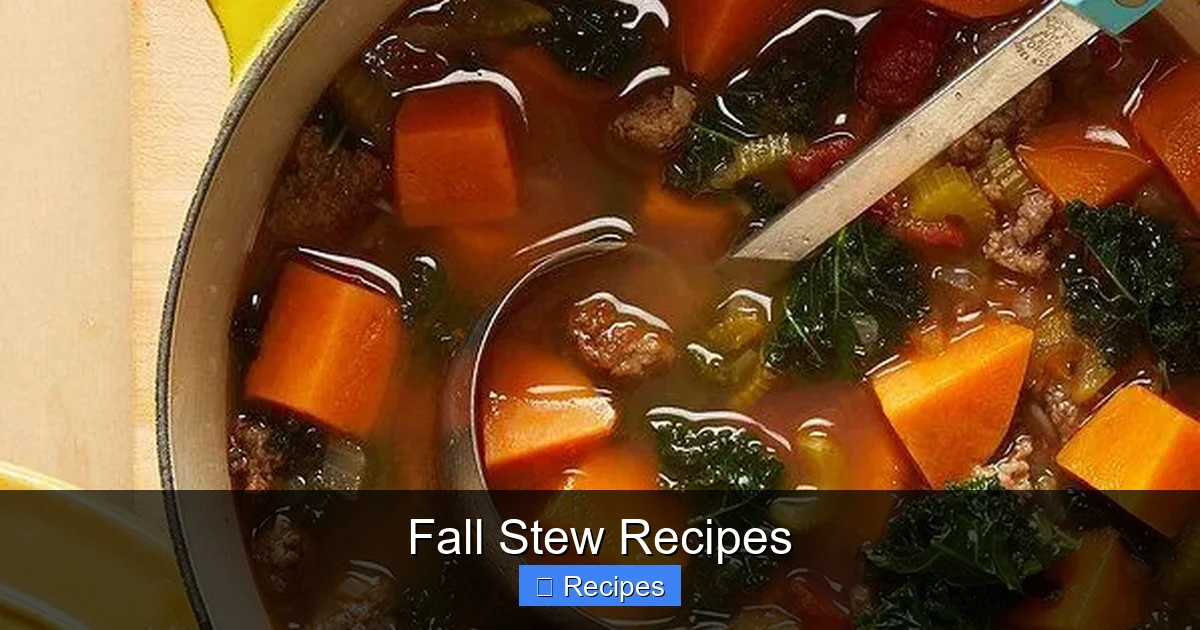
Visual guide about Fall Stew Recipes
Image source: i.pinimg.com
Root Vegetables
Carrots, potatoes, turnips, and parsnips are staples in fall stews. They hold their shape during long cooking times and add natural sweetness. For a twist, try adding diced sweet potatoes or butternut squash for extra creaminess and color.
Hearty Greens
Kale, Swiss chard, and collard greens bring a fresh, slightly bitter note that balances rich broths. Add them in the last 10–15 minutes of cooking to retain their texture and nutrients.
Protein Options
Beef chuck, lamb shoulder, and chicken thighs are popular meat choices that become incredibly tender when slow-cooked. For plant-based versions, lentils, chickpeas, and white beans offer excellent protein and fiber.
Aromatics and Herbs
Onions, garlic, celery, and bay leaves build flavor from the start. Fresh thyme, rosemary, and sage are classic fall herbs that pair perfectly with earthy vegetables and meats.
Top 5 Fall Stew Recipes to Try This Season
Ready to get cooking? Here are five delicious fall stew recipes that cover a range of tastes and dietary needs.
1. Classic Beef and Root Vegetable Stew
This timeless recipe features tender beef chunks simmered with carrots, potatoes, and onions in a rich tomato-beef broth. Brown the meat first for deep flavor, then let it cook low and slow for at least 2 hours. Serve with crusty bread for dipping.
2. Creamy Butternut Squash and Lentil Stew
A vegan favorite, this stew combines roasted butternut squash with red lentils, coconut milk, and warming spices like cumin and turmeric. It’s creamy, slightly sweet, and packed with plant-based protein. Perfect for Meatless Mondays.
3. Chicken and Wild Rice Stew
Comfort food at its finest, this stew uses boneless chicken thighs, wild rice, mushrooms, and a splash of cream. The rice thickens the broth naturally, creating a velvety texture. Add a handful of spinach at the end for a pop of green.
4. Smoky Pork and Black Bean Stew
Inspired by Southwestern flavors, this stew uses smoked paprika, cumin, and chipotle peppers to give it a bold kick. Pork shoulder becomes fork-tender, while black beans add fiber and heartiness. Serve with a dollop of sour cream and fresh cilantro.
5. Hearty Vegetable and Barley Stew
A vegetarian powerhouse, this stew includes barley, celery, tomatoes, and a mix of seasonal vegetables. The barley adds a chewy texture and helps thicken the broth. It’s filling, nutritious, and ideal for batch cooking.
Cooking Methods: Stovetop, Slow Cooker, or Instant Pot?
One of the best things about fall stew recipes is their adaptability to different cooking methods. Whether you’re short on time or prefer a hands-off approach, there’s a method that fits your schedule.
Stovetop Cooking
Traditional stovetop stews allow you to control the heat and monitor the cooking process closely. Start by browning meat and sautéing aromatics, then add liquids and vegetables. Simmer covered for 1.5 to 3 hours, depending on the recipe. This method develops deep, complex flavors.
Slow Cooker (Crock-Pot)
Perfect for busy days, slow cookers let you prep ingredients in the morning and come home to a ready meal. Brown meat beforehand for better flavor, then add everything to the pot. Cook on low for 6–8 hours or high for 3–4 hours. Ideal for tougher cuts of meat that benefit from long, slow cooking.
Instant Pot (Pressure Cooker)
When time is tight, the Instant Pot is your best friend. Many fall stew recipes can be made in under an hour using the pressure cook function. Use the sauté setting to brown ingredients, then switch to high pressure for 25–35 minutes. Natural release helps keep meat tender.
Tips for Making the Perfect Fall Stew
Even the simplest stew can be elevated with a few smart techniques. Here’s how to ensure your fall stew recipes turn out rich, flavorful, and satisfying every time.
Brown Your Meat First
Don’t skip this step! Searing meat in a hot pan creates a Maillard reaction, which adds deep, savory flavor. Pat the meat dry before browning to ensure a good crust.
Layer Your Flavors
Start with sautéed onions and garlic, then add spices to toast them briefly. This builds a flavor base that infuses the entire stew. Add liquids gradually and deglaze the pan to capture all the tasty bits.
Don’t Overcook Vegetables
Add hardy vegetables like carrots and potatoes early, but save delicate ones like peas, spinach, or zucchini for the last 10–15 minutes. This keeps them from turning mushy.
Taste and Adjust
Before serving, taste your stew and adjust the seasoning. A splash of vinegar or lemon juice can brighten rich flavors, while a pinch of sugar balances acidity.
Let It Rest
Stews often taste better the next day as flavors meld. If possible, make it a day ahead and reheat gently before serving.
Serving and Storing Fall Stews
How you serve and store your stew can make a big difference in enjoyment and convenience.
Serving Suggestions
Fall stews are incredibly versatile. Serve them in deep bowls with a side of crusty bread, cornbread, or garlic toast. For a lighter option, pair with a simple green salad. Garnish with fresh herbs, grated cheese, or a swirl of yogurt for extra flair.
Storing and Reheating
Let stew cool completely before transferring to airtight containers. It will keep in the fridge for up to 4 days. For longer storage, freeze in portion-sized containers for up to 3 months. Thaw in the fridge overnight and reheat on the stovetop or in the microwave, adding a splash of broth if needed.
Meal Prep Friendly
Fall stews are ideal for meal prep. Make a big batch on Sunday and enjoy leftovers throughout the week. They travel well in lunch containers and taste even better after sitting overnight.
Conclusion
Fall stew recipes are more than just a meal—they’re a seasonal tradition that brings comfort, warmth, and nourishment. With their rich flavors, customizable ingredients, and ease of preparation, stews are a must-have in any autumn kitchen. Whether you’re feeding a family, prepping meals for the week, or hosting a cozy dinner, these one-pot wonders deliver every time.
So grab your pot, gather your favorite fall vegetables, and let the slow simmer begin. Your taste buds—and your soul—will thank you.
Frequently Asked Questions
What are the best vegetables for fall stews?
Carrots, potatoes, sweet potatoes, parsnips, turnips, butternut squash, and kale are excellent choices. They’re in season, hold their shape, and add natural sweetness and texture.
Can I use frozen vegetables in fall stew recipes?
Yes, frozen vegetables work well, especially for convenience. Add them later in the cooking process to prevent overcooking. Thaw slightly if using in a slow cooker.
How do I make my stew more flavorful?
Brown your meat first, toast spices, and deglaze the pan with broth or wine. Finish with a splash of acid like vinegar or lemon juice to brighten the flavors.
Are fall stews healthy?
Yes! They’re packed with vegetables, fiber, and protein. Using lean meats, low-sodium broth, and minimal added fats keeps them nutritious and balanced.
Can I make fall stew in a Dutch oven?
Absolutely. A Dutch oven is ideal for stovetop or oven-braised stews. Its heavy lid and even heat distribution help develop deep, rich flavors.
What’s the difference between a stew and a soup?
Stews are thicker, with larger chunks of meat and vegetables, and often cooked longer. Soups are usually broth-based and more liquid, with smaller ingredients.
