

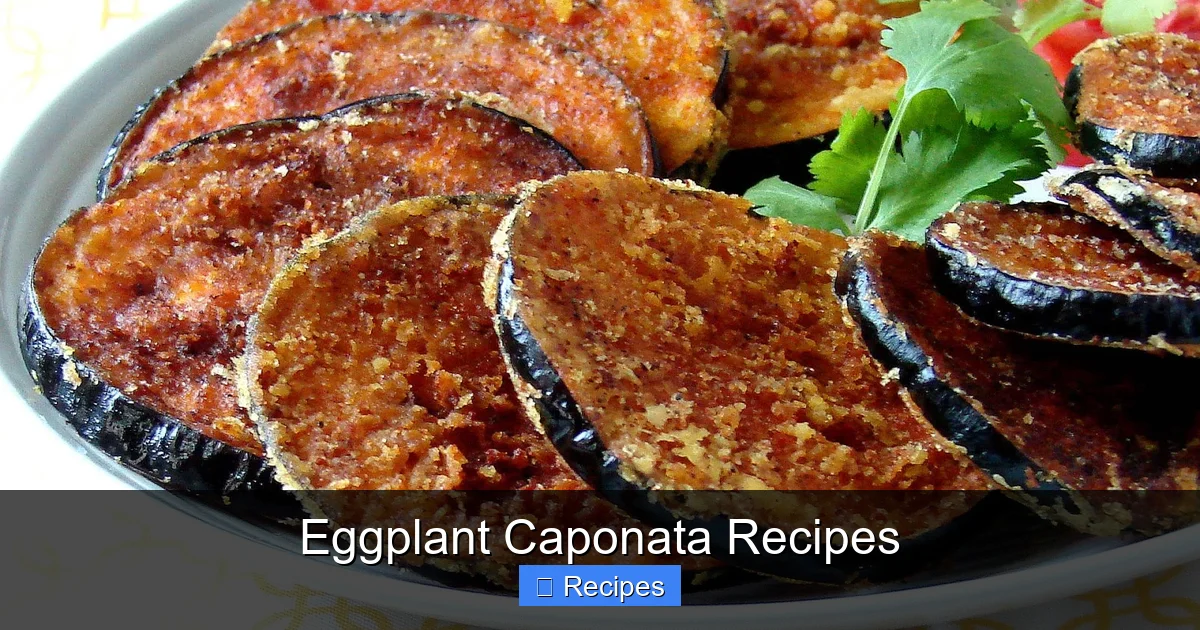
Eggplant caponata is a vibrant, sweet-and-sour Sicilian dish that transforms humble eggplant into a flavorful masterpiece. With tomatoes, olives, capers, and a touch of vinegar, it’s versatile, easy to make, and perfect for any meal.
If you’ve never tried eggplant caponata, you’re in for a treat. This classic Sicilian dish is a celebration of summer vegetables, packed with bold flavors and a delightful balance of sweet, salty, and tangy notes. At its core, caponata is a rustic stew made primarily from eggplant, but it’s so much more than just cooked veggies. It’s a symphony of textures and tastes—tender eggplant, crisp celery, briny olives, and plump tomatoes—all brought together with a splash of vinegar and a hint of sugar. Whether you’re a seasoned cook or just starting out, eggplant caponata recipes are approachable, forgiving, and deeply satisfying.
What makes caponata so special is its versatility. It can be served warm or at room temperature, making it perfect for picnics, potlucks, or dinner parties. You can spoon it over grilled chicken or fish, toss it with pasta, or simply enjoy it on a slice of toasted bread with a drizzle of olive oil. It’s also a fantastic way to use up summer produce, especially if you’ve got an abundance of eggplants from your garden. Plus, because it tastes even better the next day, it’s a great dish to make ahead of time.
Key Takeaways
- Eggplant caponata is a traditional Sicilian dish known for its bold sweet-and-sour flavor profile, combining eggplant, tomatoes, celery, olives, and capers.
- It’s incredibly versatile—serve it warm or at room temperature as a side dish, appetizer, pasta topping, or spread on crusty bread.
- The key to great caponata is properly prepping the eggplant—salting it helps remove bitterness and excess moisture for better texture.
- Authentic recipes use minimal oil and rely on slow cooking to develop deep, rich flavors without becoming greasy.
- Caponata improves with time—it tastes even better the next day, making it ideal for meal prep or make-ahead entertaining.
- You can customize it easily—add pine nuts, raisins, or fresh herbs like basil or parsley to suit your taste.
- It’s naturally vegan and gluten-free, making it a great option for diverse dietary needs.
Quick Answers to Common Questions
What is caponata made of?
Caponata is made primarily of eggplant, tomatoes, celery, onions, olives, capers, vinegar, sugar, and olive oil. It’s a sweet-and-sour Sicilian stew with bold Mediterranean flavors.
Is caponata served hot or cold?
Caponata can be served warm, at room temperature, or chilled. It’s often enjoyed cold or at room temperature, making it perfect for summer meals and picnics.
Can I make caponata ahead of time?
Yes! Caponata tastes even better the next day as the flavors meld. It’s ideal for meal prep and can be stored in the fridge for up to 5 days.
Is eggplant caponata healthy?
Yes, it’s naturally vegan, gluten-free, and packed with vegetables. It’s low in calories and high in fiber, making it a nutritious addition to any diet.
What can I serve with caponata?
Serve it with grilled meats, fish, pasta, bread, or as a topping for pizza. It also makes a great appetizer or side dish.
📑 Table of Contents
What Is Eggplant Caponata?
Eggplant caponata is a traditional dish from Sicily, Italy, with roots that stretch back centuries. While its exact origins are debated, many believe it was influenced by Arab cuisine, which introduced eggplants and sweet-sour flavor combinations to the Mediterranean region. Over time, caponata evolved into a beloved staple of Sicilian cooking, with each family adding their own twist.
At its heart, caponata is a vegetable stew, but it’s far from ordinary. The dish is characterized by its chunky texture and complex flavor profile. The eggplant is the star, but it’s supported by a supporting cast of ingredients like tomatoes, celery, onions, garlic, olives, and capers. A touch of sugar and vinegar gives it that signature sweet-and-sour kick, while olive oil ties everything together. Some versions even include pine nuts or raisins for added richness and depth.
A Dish with Regional Variations
While the basic ingredients remain consistent, caponata can vary from town to town—and even from household to household. In Palermo, you might find a version with more tomatoes and a softer texture, while in Catania, the caponata tends to be chunkier and more robust. Some recipes call for red wine vinegar, others white wine or balsamic. The amount of sugar can also vary, depending on how sweet you like your caponata. The beauty of this dish is that it’s adaptable, so feel free to experiment and find your favorite version.
Essential Ingredients in Eggplant Caponata Recipes
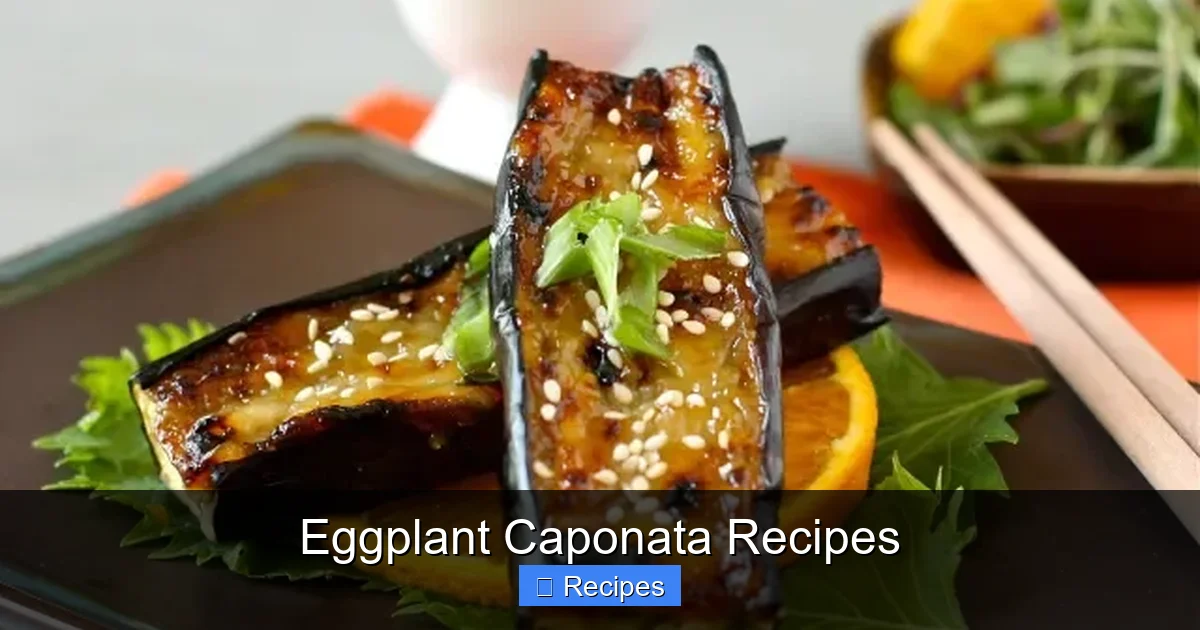
Visual guide about Eggplant Caponata Recipes
Image source: daisyt13.files.wordpress.com
To make a great caponata, you’ll need a few key ingredients that work together to create its distinctive flavor. Let’s break them down:
Eggplant
The foundation of any caponata recipe is, of course, eggplant. Choose firm, glossy eggplants with smooth skin and no soft spots. Japanese or Italian eggplants work well because they have fewer seeds and a milder flavor. Be sure to cube them evenly so they cook uniformly.
Tomatoes
Fresh, ripe tomatoes are ideal, especially in summer. Roma or plum tomatoes are great because they’re meaty and low in moisture. If fresh tomatoes aren’t in season, canned crushed tomatoes or tomato passata are excellent substitutes.
Celery and Onions
These add crunch and a subtle earthiness. Celery provides a fresh, slightly bitter note that balances the sweetness, while onions (usually yellow or red) contribute depth and aroma.
Olives and Capers
Green olives, especially Castelvetrano or Sicilian olives, add a briny, salty punch. Capers—pickled flower buds—bring a tangy, slightly floral flavor that’s essential to caponata’s character.
Vinegar and Sugar
A splash of red or white wine vinegar gives the dish its tang, while a teaspoon or two of sugar (or honey) balances the acidity. This sweet-sour combination is what makes caponata so addictive.
Olive Oil
Use a good-quality extra virgin olive oil for sautéing and finishing. It adds richness and enhances the overall flavor.
Step-by-Step Guide to Making Eggplant Caponata
Making caponata is simpler than it looks. With a little patience and the right technique, you’ll have a delicious dish in under an hour. Here’s how to do it:
1. Prep the Eggplant
Start by cutting the eggplant into 1-inch cubes. Place them in a colander, sprinkle generously with salt, and let them sit for 20–30 minutes. This draws out excess moisture and reduces bitterness. Rinse the cubes under cold water and pat them dry with a towel.
2. Sauté the Vegetables
Heat 2–3 tablespoons of olive oil in a large skillet or Dutch oven over medium heat. Add the eggplant and cook until golden brown and tender, about 8–10 minutes. Remove and set aside. In the same pan, add a bit more oil if needed, then sauté the onions and celery until softened, about 5 minutes. Add garlic and cook for another minute.
3. Build the Sauce
Stir in the tomatoes, olives, capers, vinegar, and sugar. Bring to a simmer and let it cook for 10–15 minutes, stirring occasionally, until the sauce thickens slightly.
4. Combine and Simmer
Return the eggplant to the pan and stir to combine. Reduce the heat to low and simmer for another 10–15 minutes, allowing the flavors to meld. Taste and adjust seasoning with salt and pepper.
5. Finish and Serve
Remove from heat and let the caponata cool slightly. Stir in fresh herbs like parsley or basil if desired. Serve warm, at room temperature, or chilled.
Serving Suggestions and Pairings
One of the best things about eggplant caponata is how many ways you can enjoy it. Here are some delicious ideas:
As a Side Dish
Caponata pairs beautifully with grilled meats like chicken, pork, or lamb. It’s also a great accompaniment to fish—try it with grilled swordfish or sea bass.
With Bread
Serve caponata on toasted crusty bread or bruschetta for a simple appetizer. Drizzle with olive oil and sprinkle with fresh herbs for extra flair.
Over Pasta
Toss warm caponata with cooked pasta—penne, spaghetti, or rigatoni work well. Add a splash of pasta water to help the sauce cling to the noodles.
As a Topping
Use it as a topping for pizza, flatbread, or even scrambled eggs. It adds a burst of flavor and color.
In a Sandwich
Spread caponata on a ciabatta roll with mozzarella or ricotta for a hearty vegetarian sandwich.
Tips for Perfect Caponata Every Time
To ensure your caponata turns out perfectly, keep these tips in mind:
- Don’t skip salting the eggplant. It removes bitterness and prevents the dish from becoming watery.
- Use a mix of olive varieties. Castelvetrano olives are mild and buttery, while Gaeta or Kalamata olives add more intensity.
- Adjust the sweetness to taste. Start with a teaspoon of sugar and add more if needed. Some prefer a tangier caponata, others a sweeter one.
- Let it rest. Caponata tastes better after it sits for a few hours or overnight. The flavors deepen and meld together.
- Store properly. Keep leftovers in an airtight container in the fridge for up to 5 days. It also freezes well for up to 3 months.
Conclusion
Eggplant caponata is more than just a recipe—it’s a celebration of Mediterranean flavors and seasonal cooking. Whether you’re making it for a weeknight dinner or a special occasion, this dish is sure to impress. It’s hearty yet light, complex yet easy to prepare, and endlessly adaptable. So the next time you’re looking for a way to enjoy eggplant, give caponata a try. You might just find your new favorite dish.
Frequently Asked Questions
Can I freeze eggplant caponata?
Yes, caponata freezes well. Let it cool completely, then transfer to an airtight container or freezer bag. It will keep for up to 3 months. Thaw in the fridge before reheating.
Why is my caponata watery?
This usually happens if the eggplant wasn’t salted and drained properly. Salting draws out excess moisture, so be sure to rinse and pat the cubes dry before cooking.
Can I use canned tomatoes instead of fresh?
Absolutely. Canned crushed tomatoes or tomato passata work great, especially when fresh tomatoes aren’t in season. They provide a rich, consistent flavor.
What’s the difference between caponata and ratatouille?
While both are vegetable stews, caponata is Sicilian and features a sweet-and-sour profile with olives and capers. Ratatouille is French and typically includes zucchini, bell peppers, and herbs like thyme and bay leaf.
Can I make caponata without sugar?
Yes, you can reduce or omit the sugar if you prefer a tangier flavor. The natural sweetness of the tomatoes and onions may be enough, or you can use a touch of honey for balance.
Is caponata spicy?
Traditional caponata is not spicy, but you can add a pinch of red pepper flakes if you like a little heat. It’s easily customizable to your taste.
