

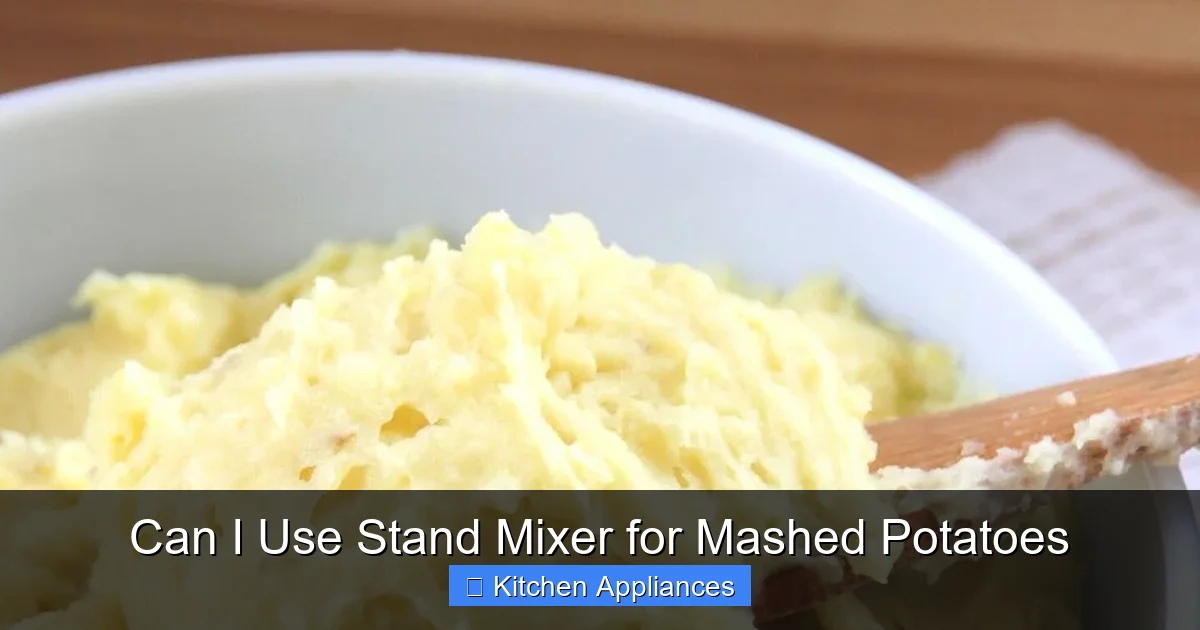
You absolutely can use a stand mixer for mashed potatoes—and it’s easier than you think. With the right attachment and technique, your stand mixer can deliver smooth, fluffy spuds without the elbow grease. Just avoid overmixing to keep them from turning gummy.
Key Takeaways
- Yes, it’s safe to use a stand mixer: Most modern stand mixers are designed to handle mashed potatoes with the right settings and attachments.
- Use the paddle attachment, not the whisk: The flat beater (paddle) gently mashes and incorporates ingredients without overworking the starch.
- Avoid overmixing: Overbeating activates potato starch, leading to gluey, sticky mashed potatoes—stop once smooth.
- Warm your liquids: Adding warm milk or broth helps create a creamier texture and prevents lumps.
- Don’t overfill the bowl: Fill no more than halfway to prevent splattering and ensure even mixing.
- Clean your mixer properly afterward: Potato starch can cling to attachments—clean promptly to avoid buildup.
- Perfect for large batches: Ideal for holiday meals or meal prep when making mashed potatoes for 6+ people.
📑 Table of Contents
- Can I Use a Stand Mixer for Mashed Potatoes? The Short Answer
- Why Use a Stand Mixer for Mashed Potatoes?
- Choosing the Right Attachment: Paddle vs. Whisk
- Step-by-Step Guide to Perfect Mashed Potatoes in a Stand Mixer
- Common Mistakes to Avoid
- Cleaning Your Stand Mixer After Use
- When to Use a Stand Mixer vs. Other Methods
- Final Thoughts: Yes, Your Stand Mixer Is a Mashed Potato Machine
Can I Use a Stand Mixer for Mashed Potatoes? The Short Answer
If you’ve ever stood over a pot of hot potatoes, vigorously mashing and stirring until your arm aches, you’ve probably wondered: *Can I just use my stand mixer instead?* The good news? Yes—you absolutely can! A stand mixer isn’t just for dough and batters. It’s a powerful, efficient tool that can make creamy, dreamy mashed potatoes with minimal effort.
But like any kitchen shortcut, there’s a right way and a wrong way to do it. While your stand mixer can save you time and energy, using it incorrectly can lead to disappointing results—like gluey, overworked potatoes that no one wants to eat. The key is understanding how your mixer works with starchy ingredients and adjusting your technique accordingly.
In this guide, we’ll walk you through everything you need to know about using a stand mixer for mashed potatoes, from choosing the right attachment to avoiding common mistakes. Whether you’re prepping for Thanksgiving dinner or just craving comfort food on a Tuesday night, your stand mixer can be your new best friend in the kitchen.
Why Use a Stand Mixer for Mashed Potatoes?
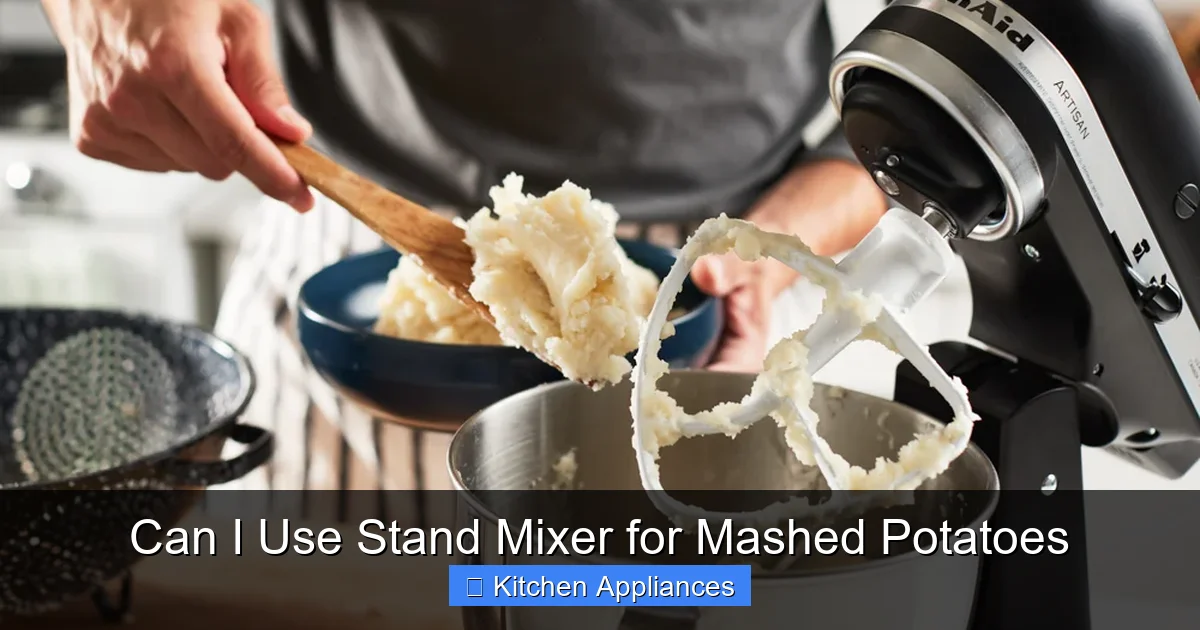
Visual guide about Can I Use Stand Mixer for Mashed Potatoes
Image source: images.ctfassets.net
Let’s be honest—making mashed potatoes by hand is labor-intensive. Between boiling, draining, mashing, and stirring in butter and milk, it’s easy to spend 20 minutes or more on a single side dish. A stand mixer cuts that time in half and delivers consistent, restaurant-quality results.
One of the biggest advantages? **Consistency**. Hand-mashing often leads to lumps, especially if you’re in a hurry. A stand mixer, when used correctly, ensures every bite is smooth and evenly blended. Plus, it frees up your hands to focus on other parts of the meal—like basting that roast or setting the table.
Another benefit is **scalability**. If you’re cooking for a crowd, making mashed potatoes for eight or ten people by hand is exhausting. A stand mixer can handle large batches with ease, especially models with 5-quart or larger bowls. Just remember not to overfill—more on that later.
And let’s not forget **comfort**. If you have arthritis, wrist pain, or just prefer not to do manual labor in the kitchen, a stand mixer is a game-changer. It does the heavy lifting (literally) so you don’t have to.
Choosing the Right Attachment: Paddle vs. Whisk
Not all stand mixer attachments are created equal—especially when it comes to mashed potatoes. Using the wrong one can ruin your dish.
The Paddle Attachment: Your Best Bet
The **flat beater**, commonly called the paddle attachment, is the ideal tool for mashed potatoes. Its broad, flat surface gently mashes and folds ingredients without overworking them. It’s designed for batters, doughs, and yes—creamy mashed potatoes.
When you use the paddle on low to medium speed, it mimics the motion of hand-mashing but with far less effort. It breaks down the potatoes while incorporating butter, milk, and seasonings evenly. This results in a light, fluffy texture that’s hard to achieve by hand.
Why the Whisk Attachment Is a No-Go
The whisk attachment, while great for whipping cream or beating egg whites, is a disaster for mashed potatoes. Its thin wires aggressively whip air into the mixture and overwork the potato starch. This leads to a sticky, gummy texture—often described as “tapioca-like”—that’s anything but appetizing.
Even on low speed, the whisk can trap air and create lumps instead of smoothing them out. Save it for desserts and stick with the paddle for your spuds.
The Dough Hook: Not Ideal, But Possible
Technically, you *could* use the dough hook in a pinch, but it’s not recommended. The hook is designed to knead thick doughs, not blend soft, moist ingredients. It tends to push potatoes around the bowl instead of mashing them, leading to uneven results.
If you’re in a bind and don’t have a paddle, hand-mashing or using a potato ricer might be a better option. But for best results, always reach for the paddle.
Step-by-Step Guide to Perfect Mashed Potatoes in a Stand Mixer
Now that you know which attachment to use, let’s walk through the process step by step. With these tips, you’ll get creamy, dreamy mashed potatoes every time.
1. Cook and Drain Your Potatoes Properly
Start with peeled, evenly chopped potatoes—Russets or Yukon Golds work best. Boil them in salted water until fork-tender, about 15–20 minutes. Overcooking can make them waterlogged; undercooking leads to lumps.
Once done, drain them thoroughly and return them to the warm pot for a minute or two to evaporate excess moisture. This step is crucial—wet potatoes won’t mash well and can dilute your final texture.
2. Warm Your Dairy and Fat
Cold milk or butter can shock the potatoes, causing them to seize up and become gluey. Instead, warm your milk, cream, or broth in a saucepan or microwave until just warm (not hot). This helps the potatoes absorb the liquid smoothly and creates a richer, creamier result.
Add your butter to the warm potatoes first—it will melt and coat the starch, reducing the risk of overmixing later.
3. Transfer to the Mixer Bowl
Place the warm, drained potatoes into your stand mixer bowl. Add the melted butter, warm milk, salt, and any other seasonings you like—garlic powder, black pepper, or herbs work well.
4. Mix on Low to Medium Speed
Attach the paddle and start mixing on **low speed** (setting 2–4 on most models). Let the mixer do the work for 1–2 minutes, stopping occasionally to scrape down the sides with a spatula.
Once the potatoes are mostly smooth, increase to medium speed for another 30–60 seconds—just until creamy. **Stop as soon as they’re done.** Overmixing is the #1 mistake people make.
5. Taste and Adjust
Give your mashed potatoes a taste. Need more salt? A splash of cream? A pinch of nutmeg? Adjust as needed, then give it one final gentle mix.
6. Serve Immediately
Mashed potatoes are best served warm. If you need to keep them warm for a dinner party, transfer them to a serving dish and cover loosely with foil. Or, use a slow cooker on the “warm” setting.
Common Mistakes to Avoid
Even with the right tools, it’s easy to go wrong. Here are the most common pitfalls—and how to avoid them.
Overmixing = Gummy Potatoes
This is the golden rule: **stop mixing as soon as the potatoes are smooth.** Potatoes are packed with starch, and overbeating releases that starch, creating a sticky, elastic texture. Think of it like over-kneading bread dough—it ruins the structure.
If your potatoes start looking shiny or stringy, you’ve gone too far. The fix? Serve them as-is (they’ll still taste good) and aim for less mixing next time.
Using Cold Ingredients
Cold milk or butter can cause the potatoes to clump and resist blending. Always warm your liquids and soften your butter before adding them. This small step makes a huge difference in texture.
Overfilling the Bowl
Most stand mixers recommend filling the bowl no more than halfway for optimal mixing. Overfilling can cause splattering, uneven blending, and even strain the motor. If you’re making a large batch, mix in two rounds.
Skipping the Drain-and-Dry Step
After boiling, excess water clings to the potatoes. If you don’t drain and dry them properly, you’ll end up with watery mashed potatoes. A quick return to the warm pot helps evaporate that moisture.
Using the Wrong Potatoes
Not all potatoes are created equal. Starchy varieties like Russets break down easily and create fluffy mashes. Waxy potatoes like red or fingerling hold their shape better but can become gluey when overmixed. Yukon Golds offer a happy medium—creamy yet firm.
Cleaning Your Stand Mixer After Use
After making mashed potatoes, it’s important to clean your mixer properly—especially the paddle attachment. Potato starch can cling to the surface and harden if left to dry.
Remove the paddle and wash it by hand with warm, soapy water. Use a brush to get into crevices where starch might hide. The bowl can usually go in the dishwasher, but check your model’s instructions first.
For a deep clean, especially if you use your mixer frequently, consider a monthly deep-cleaning routine. You can find detailed steps in our guide on how to clean a stand mixer to keep it in top condition.
When to Use a Stand Mixer vs. Other Methods
While a stand mixer is great for most situations, it’s not always the best tool for the job.
Best For:
– Large batches (6+ servings)
– Creamy, smooth textures
– People with limited mobility or hand strength
– Holiday meals when you’re multitasking
Better Alternatives:
– **Potato ricer or food mill:** For ultra-smooth, lump-free potatoes (great for garlic mashed potatoes).
– **Hand masher:** For rustic, chunky mashed potatoes with more texture.
– **Immersion blender:** Quick and easy, but risky—overuse can make potatoes gluey.
Your stand mixer shines when you want consistent, creamy results with minimal effort. But if you’re going for a specific texture or making a small batch, other tools might serve you better.
Final Thoughts: Yes, Your Stand Mixer Is a Mashed Potato Machine
So, can you use a stand mixer for mashed potatoes? Absolutely—and you should! It’s a smart, efficient way to make one of the most beloved side dishes in American cuisine. With the right technique, your mixer can deliver creamy, fluffy, restaurant-quality mashed potatoes every time.
Just remember: use the paddle attachment, warm your ingredients, don’t overmix, and clean up promptly. Follow these tips, and you’ll wonder how you ever lived without it.
Whether you’re hosting Thanksgiving or just craving comfort food, your stand mixer is more versatile than you think. For more ways to get the most out of this kitchen workhorse, check out our ultimate guide of stand mixer in kitchen—it’s packed with tips, tricks, and recipe ideas.
And if you’ve been hesitant to try it, go ahead—give it a whirl. Your arms (and your taste buds) will thank you.
Frequently Asked Questions
Can I use a stand mixer for mashed potatoes without a paddle attachment?
It’s not recommended. The whisk or dough hook can overwork the potatoes or fail to mash them properly. If you don’t have a paddle, hand-mashing or using a potato ricer is a better option.
Why are my mashed potatoes gluey when I use a stand mixer?
This usually happens from overmixing. Potato starch becomes sticky when overworked. Mix only until smooth—stop as soon as the potatoes are creamy and well combined.
Can I make garlic mashed potatoes in a stand mixer?
Yes! Roast or sauté your garlic first, then add it to the potatoes with the butter and warm milk. The paddle will blend it in smoothly without overworking the mixture.
How long should I mix mashed potatoes in a stand mixer?
Start on low for 1–2 minutes, then medium for 30–60 seconds. Total mixing time should be under 3 minutes. Stop as soon as the potatoes are smooth and creamy.
Can I use a hand mixer instead of a stand mixer for mashed potatoes?
Yes, a hand mixer can work in a pinch, but it’s harder to control and can splash hot potatoes. A stand mixer is more stable and efficient for this task.
What’s the best potato for mashed potatoes in a stand mixer?
Yukon Golds are ideal—they’re creamy and buttery without becoming gluey. Russets work well too, but require careful mixing to avoid overworking.
