

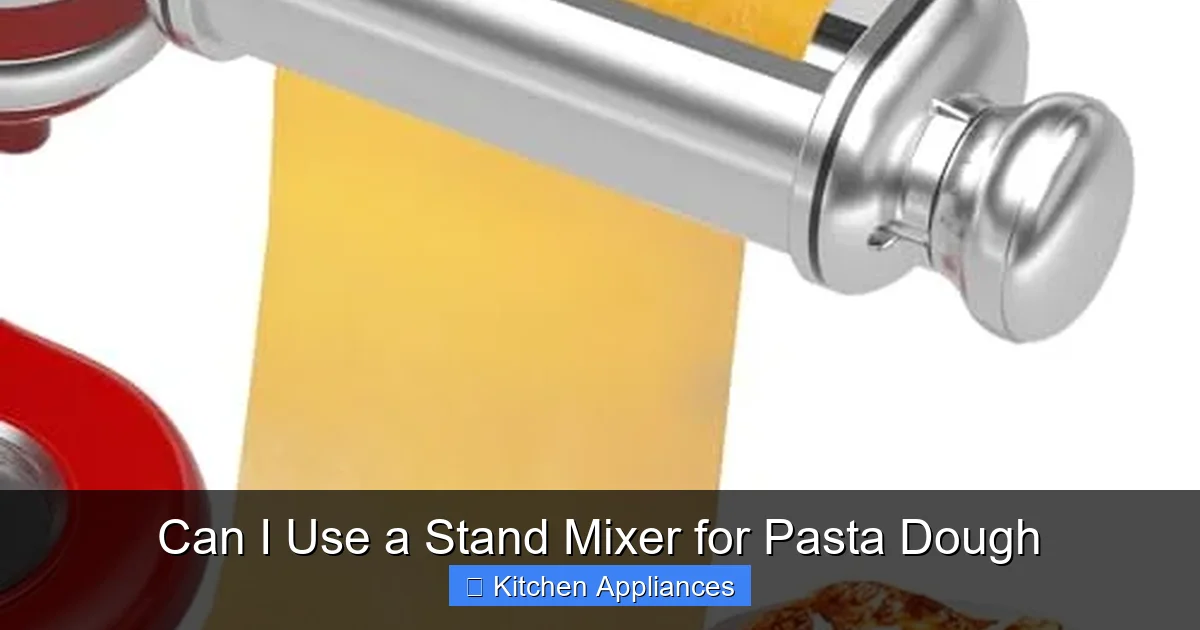
You absolutely can use a stand mixer for pasta dough—it saves time, reduces effort, and delivers consistent results. With the right attachment and technique, your stand mixer becomes a powerful tool for mixing and kneading fresh pasta, whether you’re making fettuccine, ravioli, or lasagna sheets.
If you’ve ever stood at the counter, arms aching from kneading a stubborn lump of flour and eggs, you’re not alone. Making pasta from scratch is rewarding—but it can also be a workout. That’s where your stand mixer comes in. You might already use it for cookies, bread, or cake batter, but did you know it’s also a fantastic tool for crafting fresh pasta dough?
The short answer? Yes, you can absolutely use a stand mixer for pasta dough—and it’s one of the best kitchen shortcuts for home cooks. Not only does it save time and effort, but it also ensures a more consistent texture than hand-kneading. Whether you’re a weekend warrior in the kitchen or just trying to impress your family with homemade fettuccine, your stand mixer can be your secret weapon.
In this guide, we’ll walk you through everything you need to know about using your stand mixer to make perfect pasta dough—from choosing the right attachment to troubleshooting common issues. By the end, you’ll be rolling out silky sheets of dough like a pro, all with the help of your trusty countertop companion.
Key Takeaways
- Yes, stand mixers work great for pasta dough: They handle the kneading efficiently, saving your arms and ensuring even texture.
- Use the dough hook attachment: This is essential for proper gluten development and smooth, elastic dough.
- Start slow, then increase speed: Begin on low to combine ingredients, then mix on medium to develop dough structure.
- Watch for proper dough consistency: It should be smooth, slightly tacky but not sticky—adjust with flour or water as needed.
- Rest the dough after mixing: Letting it rest for 30 minutes improves elasticity and makes rolling easier.
- Clean your mixer promptly: Dried dough can damage the motor or gears, so wipe down immediately after use.
- Pair with a pasta roller attachment: Many stand mixers offer compatible pasta rollers for effortless sheet-making.
📑 Table of Contents
Why Use a Stand Mixer for Pasta Dough?
Let’s be honest: kneading pasta dough by hand takes time, energy, and a bit of muscle. While some people enjoy the meditative rhythm of hand-kneading, most of us would rather spend that time shaping ravioli or simmering a rich tomato sauce. That’s where the stand mixer shines.
Using a stand mixer for pasta dough offers several advantages. First, it provides consistent, even mixing—something that’s hard to achieve by hand, especially with stiff doughs. Second, it develops gluten efficiently, which is crucial for that chewy, al dente bite we all love in fresh pasta. Third, it frees up your hands and your time, letting you multitask while the machine does the heavy lifting.
Plus, if you already own a stand mixer, you’re likely familiar with its power and reliability. Models like the KitchenAid Artisan or the Bosch Universal are built to handle dense doughs, making them ideal for pasta. And with the right attachment—more on that below—you can go from flour to rolled sheets in under an hour.
Choosing the Right Attachment
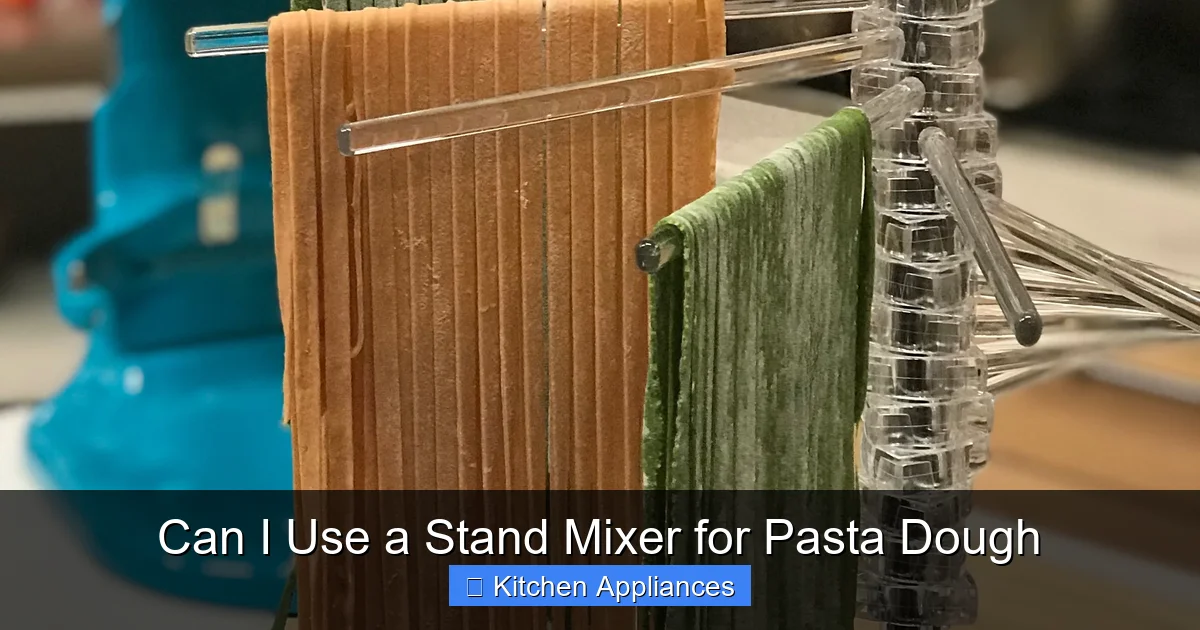
Visual guide about Can I Use a Stand Mixer for Pasta Dough
Image source: epicuricloud.com
Not all stand mixer attachments are created equal, and when it comes to pasta dough, the dough hook is your best friend. This spiral-shaped attachment is specifically designed to mimic hand-kneading, folding and stretching the dough to develop gluten without overworking it.
Avoid using the flat beater or whisk attachment—they’re meant for batters and whipped creams, not dense doughs. The dough hook’s unique shape ensures even mixing and proper gluten development, which is essential for elastic, workable pasta dough.
Some stand mixers also offer a pasta roller attachment, which connects directly to the mixer’s power hub. This is a game-changer if you plan to roll out multiple sheets of dough. Instead of cranking a manual roller, the machine does the work for you, producing uniform sheets in minutes. Popular models include the KitchenAid Pasta Roller and the Bosch Pasta Attachment.
If you’re serious about homemade pasta, investing in a pasta roller attachment is worth every penny. It pairs perfectly with your stand mixer and turns the entire process into a seamless, almost effortless experience.
Step-by-Step Guide to Making Pasta Dough in a Stand Mixer
Ready to get started? Here’s a simple, foolproof method for making pasta dough using your stand mixer. This recipe makes enough for 4 servings—perfect for a family dinner or a romantic pasta night.
Ingredients
- 2 cups (250g) all-purpose flour or “00” flour
- 3 large eggs, at room temperature
- 1 tablespoon olive oil (optional, for richness)
- 1/2 teaspoon salt
- 1–2 tablespoons water (if needed)
Instructions
- Add dry ingredients: Place the flour and salt into the stand mixer bowl. Use the dough hook attachment.
- Mix on low: Turn the mixer to speed 2 or 4 (low) and slowly add the eggs and olive oil. Let it mix for 1–2 minutes until a shaggy dough forms.
- Increase speed: Raise the speed to medium (around 6) and knead for 5–7 minutes. The dough should become smooth, elastic, and slightly tacky but not sticky.
- Check consistency: If the dough is too dry, add water, 1 teaspoon at a time. If too wet, sprinkle in a little flour.
- Rest the dough: Shape into a ball, wrap in plastic, and let rest at room temperature for 30 minutes. This relaxes the gluten and makes rolling easier.
After resting, your dough is ready to roll! Use a rolling pin or your pasta roller attachment to achieve your desired thickness. Cut into fettuccine, tagliatelle, or use for stuffed pasta like ravioli or tortellini.
Tips for Success
Even with the best tools, making pasta dough can sometimes go sideways. Here are a few pro tips to ensure your dough turns out perfectly every time:
Use Room Temperature Eggs
Cold eggs can make the dough harder to mix and may result in a lumpy texture. Let your eggs sit out for 15–20 minutes before using, or warm them briefly in a bowl of warm water.
Don’t Overmix
While the stand mixer does the work, don’t let it run too long. Overmixing can make the dough tough. Stop once the dough is smooth and pulls away from the sides of the bowl.
Adjust as You Go
Every kitchen is different—humidity, flour type, and egg size can all affect dough consistency. Be prepared to add a little water or flour to get the right texture. The dough should feel like soft earlobes—smooth, pliable, and slightly tacky.
Clean Immediately
Dried dough is a nightmare to remove and can damage your mixer’s gears. Wipe down the bowl, hook, and attachments right after use. For stubborn bits, soak in warm water before washing.
Store Properly
If you’re not using the dough right away, wrap it tightly in plastic and refrigerate for up to 2 days. For longer storage, freeze for up to a month—just thaw in the fridge before using.
Common Mistakes to Avoid
Even experienced cooks can run into issues when using a stand mixer for pasta dough. Here are a few common pitfalls and how to avoid them:
Using the Wrong Attachment
As mentioned earlier, the dough hook is essential. Using the flat beater will leave you with a crumbly, uneven mess. Always double-check that you’ve attached the correct tool.
Adding Liquid Too Fast
Pouring all the eggs in at once can cause the dough to splatter or not incorporate properly. Add them slowly, especially if your mixer is on a higher speed.
Skipping the Resting Step
Rushing to roll the dough right after mixing is a mistake. Resting allows the gluten to relax, making the dough much easier to roll without shrinking or tearing.
Ignoring Dough Texture
If your dough is too dry, it will crack when rolled. If too wet, it will stick to everything. Learn to recognize the ideal texture—smooth, elastic, and slightly tacky.
Pairing Your Stand Mixer with Other Tools
Your stand mixer doesn’t have to work alone. Pair it with other kitchen tools to streamline your pasta-making process:
Pasta Roller Attachment
As mentioned, this is a must-have for anyone serious about homemade pasta. It attaches to your mixer and rolls out perfect sheets in seconds. Some models even include cutters for fettuccine or linguine.
Food Processor (for Large Batches)
If you’re making a lot of dough, a food processor can help mix the ingredients quickly. Just be careful not to overprocess—switch to the stand mixer for final kneading.
Bench Scraper and Rolling Pin
Even with a pasta roller, you’ll want a bench scraper for cleaning up flour and a rolling pin for touch-ups or smaller batches.
Drying Rack
Fresh pasta needs space to dry slightly before cooking or storing. A simple drying rack or clean towel draped over a chair works great.
For more tips on maximizing your stand mixer’s potential, check out our Ultimate Guide of Stand Mixer in Kitchen, where we dive deeper into attachments, maintenance, and creative uses.
Conclusion
So, can you use a stand mixer for pasta dough? The answer is a resounding yes—and it’s one of the smartest moves you can make in the kitchen. Not only does it save time and effort, but it also delivers consistent, high-quality results that rival any hand-kneaded batch.
With the right attachment, a little know-how, and these practical tips, your stand mixer can become your go-to tool for fresh, homemade pasta. Whether you’re making simple spaghetti or intricate stuffed shells, you’ll appreciate the ease and precision that a stand mixer brings to the process.
So go ahead—fire up that mixer, roll out some dough, and enjoy the rich, satisfying flavor of pasta made from scratch. Your taste buds (and your arms) will thank you.
Frequently Asked Questions
Can I make pasta dough in any stand mixer?
Yes, most stand mixers with a dough hook attachment can handle pasta dough. Popular models like KitchenAid, Bosch, and Cuisinart are all suitable. Just ensure your mixer is rated for heavy doughs.
What if my dough is too sticky or too dry?
If too sticky, add a little flour, 1 teaspoon at a time. If too dry, add water in small increments. The goal is a smooth, slightly tacky texture that holds together without cracking.
Can I use a hand mixer instead?
Hand mixers aren’t ideal for pasta dough—they lack the power and stability needed for dense doughs. A stand mixer is far more effective for consistent results.
How long should I knead pasta dough in a stand mixer?
Knead on medium speed for 5–7 minutes, or until the dough is smooth and elastic. Overmixing can make it tough, so stop once it pulls cleanly from the bowl.
Do I need a pasta roller attachment?
Not necessarily—you can roll dough by hand—but a pasta roller attachment saves time and ensures even thickness. It’s a great investment for frequent pasta makers.
Can I freeze pasta dough made in a stand mixer?
Yes! Wrap it tightly in plastic and freeze for up to a month. Thaw in the refrigerator before rolling and cooking.
