

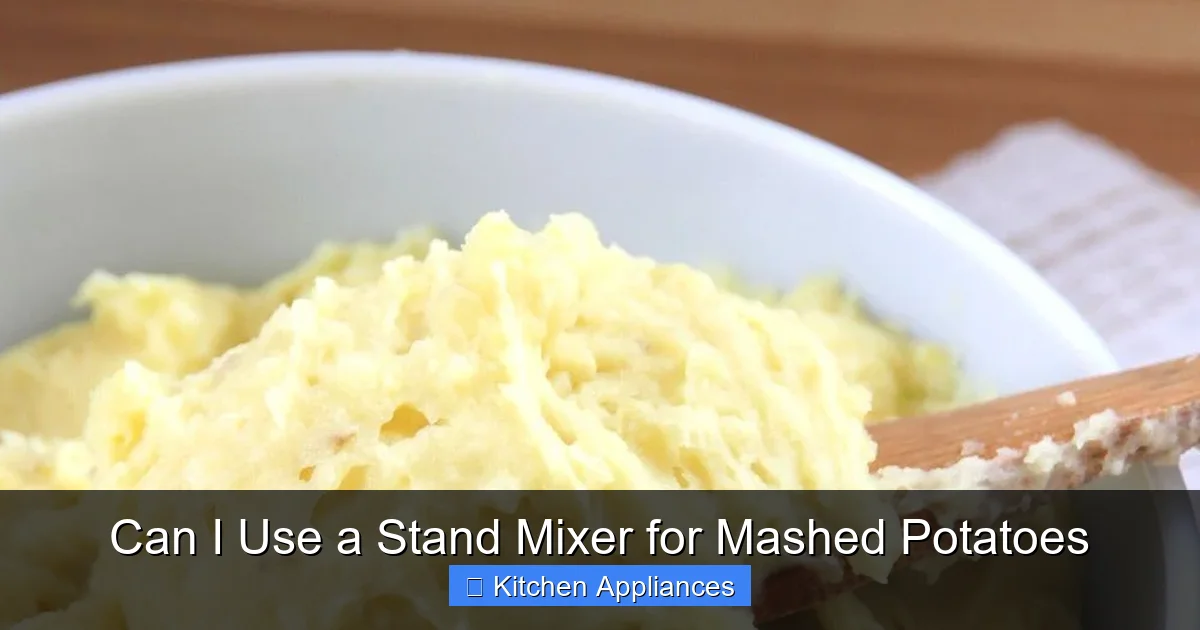
You can absolutely use a stand mixer for mashed potatoes, but it requires care to avoid turning them gluey or pasty. The key is using the right attachment, mixing on low speed, and stopping as soon as the potatoes are creamy. With a few smart techniques, your stand mixer becomes a time-saving ally for fluffy, restaurant-quality mashed potatoes.
If you’ve ever stood over a pot of hot potatoes, arm aching from mashing, you’ve probably wondered: *Can I use a stand mixer for mashed potatoes?* The short answer is yes—but it’s not as simple as dumping hot spuds into the bowl and hitting “mix.” Done right, your stand mixer can whip up creamy, dreamy mashed potatoes with minimal effort. Done wrong, you’ll end up with a sticky, gluey mess that no amount of butter can fix.
The secret lies in understanding how potatoes react to mechanical force. Potatoes are packed with starch, and when overworked—especially with high-speed mixing—they release too much of it, turning your side dish into something closer to wallpaper paste. But with the right technique, your stand mixer becomes a powerful tool for consistent, fluffy results every time. Whether you’re feeding a family of four or prepping for a holiday feast, knowing how to use your mixer properly saves time and delivers better texture.
Key Takeaways
- Yes, a stand mixer works for mashed potatoes: It’s efficient and hands-free, especially for large batches.
- Use the paddle attachment, not the whisk: The paddle gently mashes without overworking the starch.
- Mix on low speed only: High speed breaks down cell walls, releasing too much starch and creating a gummy texture.
- Add warm dairy gradually: Warm milk or cream blends more smoothly and prevents clumping.
- Don’t overmix: Stop as soon as the potatoes are creamy—overmixing leads to gluey results.
- Cool slightly before mixing: Let boiled potatoes drain and steam off for 1–2 minutes to avoid excess moisture.
- Season at the end: Add salt, butter, and flavorings after mashing to control taste and texture.
📑 Table of Contents
Why Use a Stand Mixer for Mashed Potatoes?
Using a stand mixer for mashed potatoes isn’t just about convenience—it’s about consistency. Hand mashing with a potato masher or ricer gives great results, but it’s labor-intensive and can leave lumps if you’re not careful. A hand mixer works, but it still requires you to hold and guide the tool. A stand mixer, on the other hand, does the work for you, freeing up your hands for other kitchen tasks.
One of the biggest advantages is scalability. If you’re making mashed potatoes for a crowd—say, Thanksgiving dinner or a potluck—a stand mixer can handle large batches with ease. You can mash 5 to 8 pounds of potatoes in one go, depending on your mixer’s capacity. That’s a huge time-saver compared to mashing in small batches.
Another benefit? Even mixing. When you use a stand mixer with the right attachment, the potatoes get uniformly mashed without hot spots or under-mixed chunks. This is especially helpful if you’re using a variety of potato types or if some pieces cook faster than others.
Time-Saving and Hands-Free
Let’s be honest: cooking is more fun when you’re not stuck at the stove. Using a stand mixer lets you multitask. While the mixer does its thing, you can sauté vegetables, warm gravy, or set the table. It’s a small change that makes a big difference in kitchen efficiency.
Plus, if you’re dealing with sore wrists or arthritis, a stand mixer is a game-changer. No more repetitive mashing motions—just set it and forget it (well, almost).
Choosing the Right Attachment
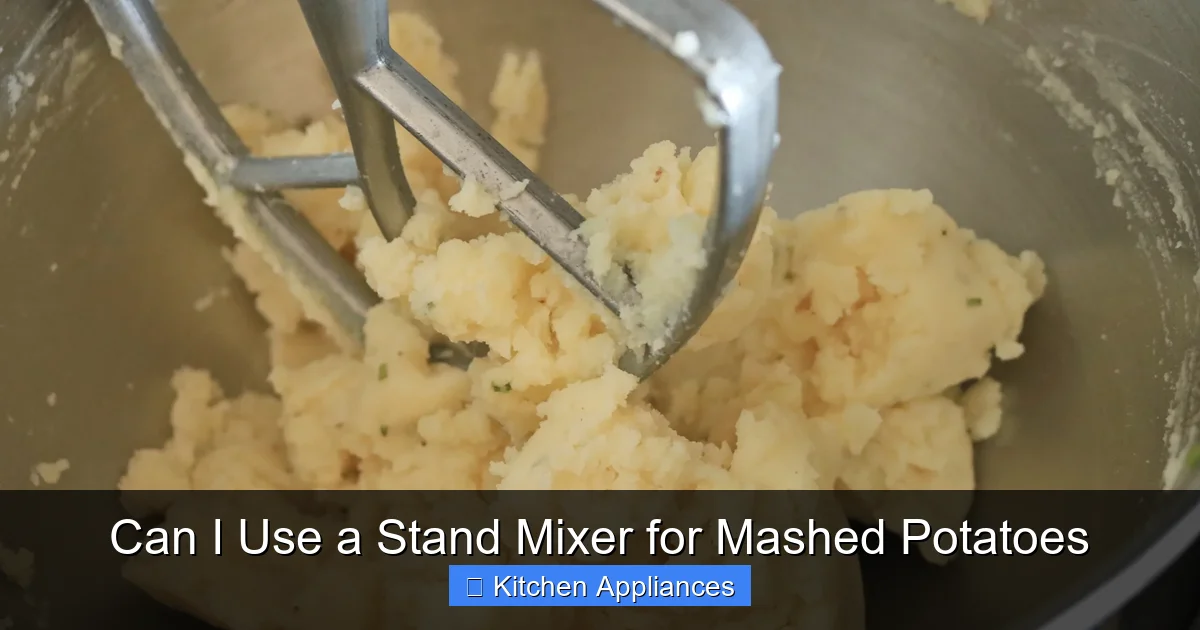
Visual guide about Can I Use a Stand Mixer for Mashed Potatoes
Image source: lifehacker.com
Not all stand mixer attachments are created equal when it comes to mashed potatoes. The two most common—the whisk and the paddle—serve very different purposes.
The Paddle Attachment: Your Best Friend
The flat beater, or paddle attachment, is ideal for mashed potatoes. Its broad, flat surface gently presses and folds the potatoes without overworking them. It mimics the motion of hand mashing, which helps preserve the fluffy texture you’re after.
Avoid the whisk attachment at all costs. Designed for whipping cream and beating eggs, the whisk incorporates too much air and agitates the potatoes too aggressively. This leads to overmixing and a gluey, dense result.
Some mixers come with a dough hook, but that’s also not recommended. While it’s gentle, it’s designed for kneading, not mashing, and won’t break down the potatoes evenly.
Pro Tip: Use a Flat Beater with a Scraper
If your mixer has a flat beater with a silicone edge (like the ones on newer KitchenAid models), even better. The scraper helps pull ingredients from the sides of the bowl, ensuring even mixing without you having to stop and scrape manually.
Step-by-Step Guide to Perfect Mashed Potatoes in a Stand Mixer
Now that you know the basics, let’s walk through the process step by step. Follow these instructions, and you’ll get creamy, lump-free mashed potatoes every time.
Step 1: Cook and Drain the Potatoes
Start by peeling and cutting your potatoes into even chunks—about 1 to 2 inches. This ensures they cook uniformly. Boil them in salted water until fork-tender, usually 15–20 minutes depending on size.
Once cooked, drain them thoroughly in a colander. Let them sit for 1–2 minutes to steam off excess moisture. This step is crucial—wet potatoes lead to watery mashed potatoes, no matter what tool you use.
Step 2: Warm Your Dairy
While the potatoes are cooking, warm your milk, cream, or broth. Cold liquid shocks the warm potatoes, causing them to seize up and become gummy. Warm dairy blends in smoothly and helps create a creamy texture.
You can warm it on the stove or in the microwave—just don’t let it boil. Aim for around 110°F (43°C).
Step 3: Add Potatoes to the Mixer Bowl
Transfer the drained potatoes to the stand mixer bowl. Add a few tablespoons of softened butter first—this helps coat the starch and prevents sticking.
Step 4: Mix on Low Speed
Attach the paddle and start mixing on the lowest speed (usually “Stir” or “1”). Let the mixer run for about 30 seconds to break up the potatoes slightly.
Then, with the mixer running, slowly pour in the warm dairy through the pour shield. Add it gradually—about ¼ cup at a time—to control the consistency.
Step 5: Stop When Creamy
Mix just until the potatoes are smooth and creamy. This usually takes 1–2 minutes total. Overmixing is the #1 mistake people make. As soon as there are no large lumps, stop the mixer.
Taste and adjust seasoning with salt, pepper, garlic powder, or herbs. Fold in extras like sour cream, roasted garlic, or chives by hand to avoid overmixing.
Common Mistakes to Avoid
Even with the best intentions, it’s easy to go wrong. Here are the most common pitfalls—and how to avoid them.
Overmixing
This is the biggest culprit behind gluey mashed potatoes. The more you mix, the more starch is released. Once that starch forms a network, there’s no going back. The texture becomes sticky and dense—like mashed potato erasers.
Solution: Mix only until combined. If you see a few small lumps, that’s okay. They’ll disappear when you serve or reheat.
Using Cold Ingredients
Cold butter or milk causes the potatoes to clump. The starch hardens when it hits cold, making it harder to blend smoothly.
Solution: Always use softened butter and warm dairy. If you forget, microwave the butter for 10–15 seconds and warm the milk on the stove.
Skipping the Drain-and-Steam Step
Water is the enemy of great mashed potatoes. Excess moisture dilutes flavor and creates a runny texture.
Solution: After draining, leave the potatoes in the colander over the hot pot for 1–2 minutes. The residual heat will evaporate extra water.
Using the Wrong Potato
Not all potatoes are created equal. Waxy potatoes (like red or new potatoes) hold their shape well but don’t mash smoothly. Starchy potatoes (like Russets or Yukon Golds) break down easily and give the fluffiest results.
Solution: Use Yukon Gold for the best balance of creaminess and flavor. Russets work too, but they can become gummier if overmixed.
Tips for Flavor and Texture Variations
Once you’ve mastered the basics, it’s time to get creative. Your stand mixer makes it easy to experiment with flavors and textures.
Add Garlic or Herbs
Roast a head of garlic and squeeze the soft cloves into the mixer along with the butter. Or add fresh herbs like rosemary, thyme, or chives at the end.
Try Different Dairy
Swap regular milk for buttermilk, sour cream, or crème fraîche for tanginess. Coconut milk works for a dairy-free version.
Make Them Extra Creamy
For ultra-rich potatoes, add a splash of heavy cream or a spoonful of cream cheese. Mix in just until combined.
Go Chunky
If you like rustic mashed potatoes, don’t mash all the potatoes. Reserve a few chunks and fold them in at the end for texture.
Cleaning and Maintenance
After you’ve enjoyed your meal, don’t forget to clean your stand mixer properly. Potato starch can stick to the bowl and attachment, so rinse them right away.
Remove the bowl and paddle, and wash them in warm, soapy water. Avoid submerging the mixer base—wipe it down with a damp cloth instead.
If starch has dried on, soak the parts for 10–15 minutes before scrubbing. Regular cleaning keeps your mixer in top shape for years.
Conclusion
So, can you use a stand mixer for mashed potatoes? Absolutely—and when done right, it’s one of the easiest ways to get perfect results. The key is using the paddle attachment, mixing on low speed, and stopping as soon as the potatoes are creamy. Avoid overmixing, use warm ingredients, and choose the right potato type for the best texture.
Your stand mixer isn’t just for cakes and cookies. With a little know-how, it becomes a versatile tool for everything from bread dough to—yes—fluffy mashed potatoes. For more tips on making the most of your stand mixer, check out our Ultimate Guide Of Stand Mixer In Kitchen.
Whether you’re cooking for two or twenty, mastering this technique saves time, reduces effort, and delivers consistent, delicious results. So go ahead—let your mixer do the work while you enjoy the feast.
Frequently Asked Questions
Can I use a stand mixer for mashed potatoes without ruining the texture?
Yes, as long as you use the paddle attachment and mix on low speed. Avoid overmixing, which releases too much starch and makes the potatoes gluey.
What’s the best potato for mashed potatoes in a stand mixer?
Yukon Gold potatoes are ideal—they’re starchy enough to mash smoothly but buttery enough to stay rich and creamy. Russets work too but can become gummier if overmixed.
Should I add butter before or after mixing?
Add softened butter before mixing. It helps coat the potato starch and prevents sticking, leading to a smoother blend.
Can I make mashed potatoes ahead of time with a stand mixer?
Yes! Mash them as usual, then store in an airtight container in the fridge. Reheat gently on the stove with a splash of milk to restore creaminess.
Why are my mashed potatoes gluey when using a stand mixer?
This usually happens from overmixing or using the whisk attachment. Always use the paddle and stop mixing as soon as the potatoes are smooth.
Can I use a hand mixer instead of a stand mixer?
Yes, but a stand mixer is more efficient for large batches and gives more consistent results. A hand mixer works in a pinch but requires more effort.
