

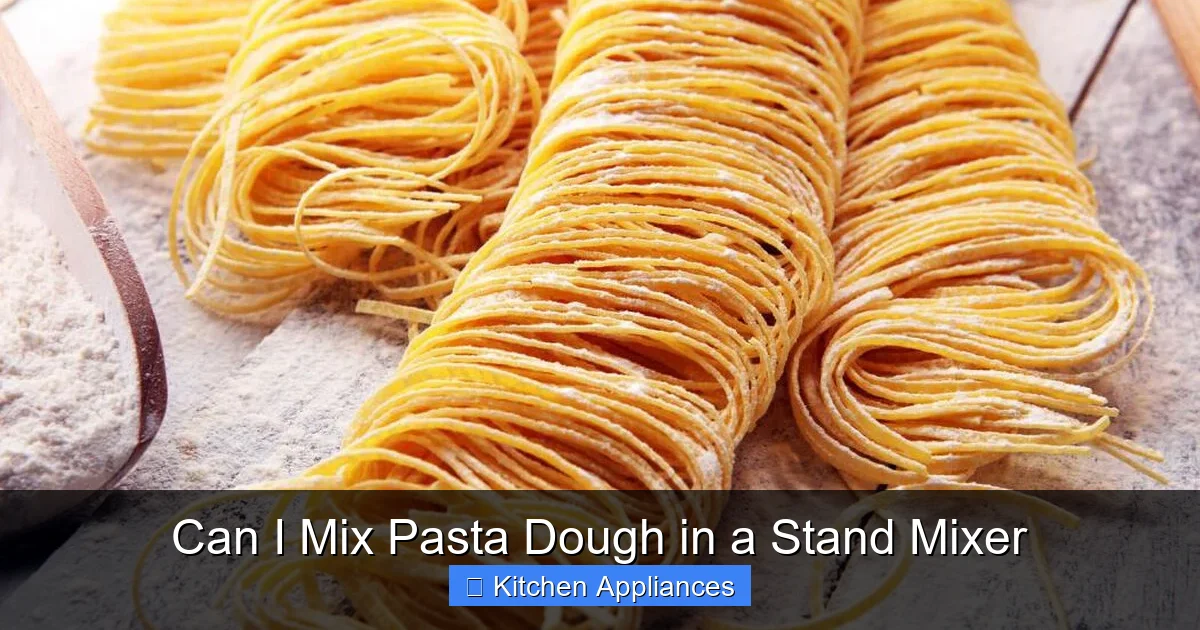
You absolutely can mix pasta dough in a stand mixer, and it’s one of the easiest ways to achieve consistent, smooth dough with minimal effort. Whether you’re a beginner or a seasoned home cook, using your stand mixer saves time and ensures even hydration and gluten development.
If you’ve ever stood at the counter, arms aching from kneading a stiff ball of pasta dough by hand, you’re not alone. Making fresh pasta from scratch is deeply satisfying—but it can also be surprisingly labor-intensive. That’s where your stand mixer comes in. You might be wondering, *Can I mix pasta dough in a stand mixer?* The short answer is a resounding yes. In fact, using a stand mixer is one of the smartest, most efficient ways to prepare pasta dough at home.
Stand mixers aren’t just for cakes and cookies. With the right attachment and technique, they can handle the heavy, dense consistency of pasta dough with ease. Whether you’re making classic egg noodles, ravioli, or even gluten-free variations, your stand mixer can take the grunt work out of the process. It ensures even mixing, proper gluten development, and a smooth, elastic dough—all without breaking a sweat. Plus, it frees up your hands for other kitchen tasks, like prepping sauces or setting the table.
But before you toss flour and eggs into your mixer bowl, it’s important to understand how to do it right. Using the wrong speed, the wrong attachment, or overmixing can lead to tough, rubbery pasta. The good news? With a few simple tips and a little practice, your stand mixer can become your go-to tool for homemade pasta success.
Key Takeaways
- Yes, stand mixers are ideal for pasta dough: They handle the kneading process efficiently, saving your hands and arms from fatigue.
- Use the dough hook attachment: This tool is specifically designed for heavy doughs like pasta and bread.
- Mix on low speed: High speeds can overwork the dough or cause it to heat up, which affects texture.
- Monitor dough consistency closely: Pasta dough should be firm and slightly crumbly before kneading—adjust with water or flour as needed.
- Rest the dough after mixing: Letting it rest for 30 minutes improves elasticity and makes rolling easier.
- Clean your mixer promptly: Dried pasta dough can be tough to remove, so wipe down the bowl and hook right after use.
📑 Table of Contents
Why Use a Stand Mixer for Pasta Dough?
Many home cooks assume that pasta dough must be mixed by hand to develop the right texture. While hand-kneading works, it’s not the only—or even the best—method. A stand mixer offers several advantages that make it a superior choice for many.
First, consistency. When you mix by hand, it’s easy to under-knead or over-knead the dough, leading to uneven texture. A stand mixer, especially when used with the dough hook, applies steady, even pressure that develops gluten uniformly. This results in a dough that’s smooth, elastic, and easy to roll out.
Second, time and effort. Kneading pasta dough by hand can take 8–10 minutes of constant pressing and folding. That’s tiring, especially if you’re making multiple batches. A stand mixer can do the same job in 5–7 minutes with minimal supervision. You can set it to mix while you clean up or prep other ingredients.
Third, precision. Stand mixers allow you to control the speed and duration of mixing more accurately than manual methods. This is especially helpful when working with delicate or finicky doughs, like those made with semolina or whole wheat flour.
And let’s not forget accessibility. For people with arthritis, hand injuries, or limited strength, using a stand mixer makes fresh pasta achievable and enjoyable. It levels the playing field, so everyone can enjoy the rewards of homemade pasta.
Choosing the Right Attachment
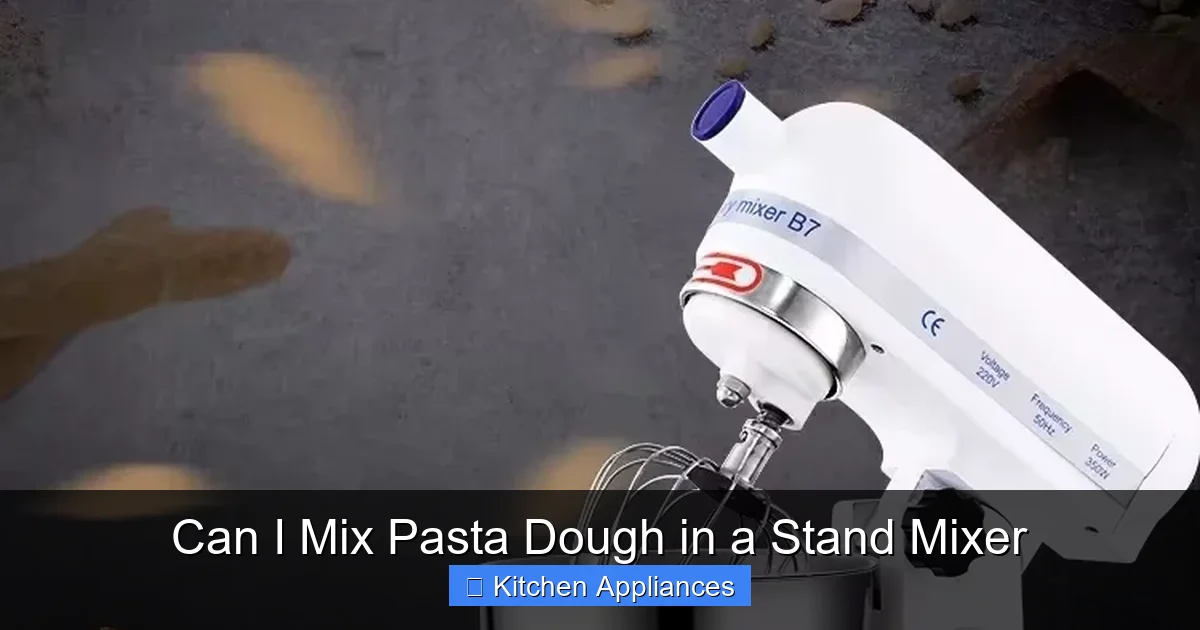
Visual guide about Can I Mix Pasta Dough in a Stand Mixer
Image source: beiliton.com
Not all mixer attachments are created equal—especially when it comes to pasta dough. The key to success lies in using the correct tool for the job.
The Dough Hook: Your Best Friend
The dough hook is specifically designed for heavy, dense doughs like bread and pasta. Its spiral or C-shaped design mimics hand-kneading by lifting, folding, and pressing the dough as it rotates. This action develops gluten effectively without overheating the dough, which can happen with high-speed mixing.
Most stand mixers come with a dough hook, but if yours didn’t, it’s worth purchasing one. Avoid using the flat beater or whisk attachment—they’re not built for the resistance of pasta dough and can strain the motor or result in uneven mixing.
Alternative: The Flat Beater (in a Pinch)
If you don’t have a dough hook, you *can* use the flat beater for the initial mixing stage—just until the ingredients come together into a shaggy mass. However, switch to hand-kneading or a food processor for the final kneading. The flat beater isn’t designed for prolonged kneading and may not develop the dough properly.
Step-by-Step Guide to Mixing Pasta Dough in a Stand Mixer
Now that you know *why* and *how* to use your stand mixer, let’s walk through the process step by step. This method works for classic egg-based pasta dough, but can be adapted for other variations.
Ingredients You’ll Need
- 2 cups (250g) all-purpose flour or tipo “00” flour
- 3 large eggs (room temperature)
- 1 teaspoon olive oil (optional, for elasticity)
- 1/2 teaspoon salt (optional)
Step 1: Combine Dry Ingredients
Add the flour and salt to the mixer bowl. Use the paddle attachment or dough hook to mix on low speed (Speed 2 on most KitchenAid models) for about 10 seconds, just to combine. This prevents flour from flying everywhere when you add the wet ingredients.
Step 2: Add Eggs and Oil
With the mixer running on low, slowly add the eggs one at a time through the pour spout. If using olive oil, add it with the last egg. Let the mixer run for 1–2 minutes, or until the mixture looks crumbly and starts to clump together.
Step 3: Switch to the Dough Hook
Once the dough begins to form, switch to the dough hook if you haven’t already. Increase the speed to medium-low (Speed 4) and knead for 5–7 minutes. The dough should come together into a smooth, slightly firm ball. If it’s too dry and crumbly, add water—1 teaspoon at a time. If it’s too sticky, add a little flour.
Step 4: Test the Dough
To check if the dough is ready, press a finger into it. It should spring back slowly. If it leaves an indentation, it needs a bit more kneading. Avoid overmixing, as this can make the pasta tough.
Step 5: Rest the Dough
Shape the dough into a ball, wrap it in plastic wrap, and let it rest at room temperature for at least 30 minutes. This relaxes the gluten, making the dough easier to roll out.
Tips for Perfect Pasta Dough Every Time
Even with a stand mixer, small details can make a big difference in your pasta’s final texture. Here are some pro tips to ensure success.
Use Room Temperature Eggs
Cold eggs can make the dough harder to mix and may cause it to tear during rolling. Let your eggs sit out for 15–20 minutes before using, or warm them briefly in a bowl of warm water.
Don’t Overmix
While kneading is important, overmixing can develop too much gluten, leading to chewy, rubbery pasta. Stick to 5–7 minutes of kneading and trust the process.
Adjust Consistency as Needed
Pasta dough should be firm, like Play-Doh—not sticky, not crumbly. If it’s too dry, add water. If too wet, add flour. Make small adjustments (1 teaspoon at a time) to avoid overcorrecting.
Clean Your Mixer Right Away
Pasta dough dries quickly and can be difficult to remove once hardened. Wipe down the bowl, hook, and attachments with a damp cloth immediately after use. For stubborn bits, soak the parts in warm water.
Common Mistakes to Avoid
Even experienced cooks can run into issues when mixing pasta dough in a stand mixer. Here are some common pitfalls and how to avoid them.
Using High Speed
Mixing on high speed can overheat the dough and overdevelop the gluten. Always use low to medium-low speed for kneading.
Skipping the Resting Step
Resting isn’t optional—it’s essential. Skipping it makes the dough tough and difficult to roll. Don’t rush this step.
Adding Too Much Liquid at Once
It’s easier to add more liquid than to fix a soggy dough. Add water or flour gradually, checking the consistency frequently.
Ignoring Your Mixer’s Limits
Most stand mixers can handle 2–3 cups of flour worth of dough. If you’re making a large batch, mix in smaller portions to avoid straining the motor.
Stand Mixer vs. Hand Kneading: Which Is Better?
This is a classic debate among pasta lovers. While hand kneading has its charm—and some say it gives better control—stand mixers offer undeniable advantages.
Hand kneading allows you to feel the dough’s texture in real time, which some chefs prefer. It’s also a great way to connect with the process and slow down in the kitchen. However, it’s time-consuming and physically demanding.
A stand mixer, on the other hand, delivers consistent results with less effort. It’s ideal for busy weeknights, large batches, or anyone who wants to make pasta without the workout. For most home cooks, the stand mixer is the more practical choice.
That said, many pasta enthusiasts use a hybrid approach: mix and knead in the stand mixer, then finish by hand for a few minutes to fine-tune the texture. This gives you the best of both worlds.
Conclusion
So, can you mix pasta dough in a stand mixer? Absolutely—and you should. It’s faster, easier, and just as effective as traditional methods. With the right attachment, proper technique, and a few smart tips, your stand mixer can become your secret weapon for perfect homemade pasta.
Whether you’re making fettuccine for a family dinner or delicate ravioli for a special occasion, your stand mixer helps you achieve professional-quality results with minimal effort. And once you taste that fresh, silky pasta—made with your own hands (and a little help from your mixer)—you’ll wonder why you ever did it any other way.
For more tips on getting the most out of your stand mixer, check out our Ultimate Guide Of Stand Mixer In Kitchen—it’s packed with recipes, maintenance tips, and clever uses you might not have thought of.
Frequently Asked Questions
Can I use a stand mixer for gluten-free pasta dough?
Yes, you can mix gluten-free pasta dough in a stand mixer, but it requires a gentler touch. Gluten-free doughs are more fragile and don’t need as much kneading. Mix just until combined—overmixing can make them gummy.
What if my pasta dough is too sticky in the mixer?
If the dough is too sticky, add a little flour—1 teaspoon at a time—while the mixer is running on low. Stop and check the texture frequently to avoid adding too much.
Can I overmix pasta dough in a stand mixer?
Yes, overmixing can develop too much gluten, leading to tough, chewy pasta. Stick to 5–7 minutes of kneading and stop as soon as the dough is smooth and elastic.
Do I need a special stand mixer for pasta dough?
Most standard stand mixers (like KitchenAid) work perfectly for pasta dough. As long as it has a dough hook and can handle heavy doughs, you’re good to go.
Can I mix pasta dough in a food processor instead?
Yes, a food processor is another excellent option. It mixes and kneads quickly, but be careful not to overprocess. Many cooks prefer the stand mixer for more control.
How long should I let pasta dough rest after mixing?
Let the dough rest for at least 30 minutes, wrapped in plastic. This relaxes the gluten and makes rolling much easier. You can rest it longer—up to 2 hours—if needed.
