

This classic brioche recipe delivers ultra-soft, rich, and slightly sweet bread with a tender crumb and golden crust. Made with simple ingredients like butter, eggs, and flour, it’s perfect for French toast, sandwiches, or enjoying warm with jam.
Key Takeaways
- Rich and buttery texture: Brioche gets its signature softness from high butter and egg content, creating a luxurious mouthfeel.
- Simple ingredients, big results: Just flour, sugar, eggs, butter, milk, yeast, and salt—no fancy equipment needed.
- Perfect for sweet and savory uses: Enjoy plain, with jam, in French toast, or as burger buns.
- Requires patience and time: Includes multiple rises and chilling for best flavor and texture.
- Freezer-friendly: Bake, cool, slice, and freeze for up to 3 months—thaw and toast when ready.
- Room temperature ingredients are key: Ensures even mixing and proper yeast activation.
- Don’t skip the kneading: Develops gluten for that perfect soft, stretchy dough.
Quick Answers to Common Questions
Can I make brioche without a stand mixer?
Yes! You can knead brioche by hand. It takes about 15–20 minutes of vigorous kneading, especially when adding the butter. Use a bench scraper to help incorporate the sticky dough.
Why is my brioche dense?
Dense brioche is usually due to underproofing, overmixing, or using expired yeast. Make sure your dough doubles in size during both rises and that your yeast is fresh.
Can I freeze unbaked brioche dough?
Yes. After the first rise, shape the dough and freeze in an airtight container. Thaw in the fridge overnight, then let rise and bake as usual.
What’s the difference between brioche and challah?
Brioche is richer, with more butter and sugar, and has a slightly sweet flavor. Challah uses oil instead of butter and is traditionally braided and unsweetened.
How do I know when brioche is done baking?
The internal temperature should reach 190°F (88°C). The crust should be deep golden brown, and the loaf should sound hollow when tapped.
📑 Table of Contents
What Is Brioche?
Brioche is a rich, tender, and slightly sweet French bread that sits somewhere between pastry and bread. With its golden crust, soft crumb, and buttery aroma, it’s no wonder brioche is a favorite in bakeries and homes alike. Originating in France, this luxurious dough is made with a high proportion of eggs and butter, giving it a cake-like texture while still being classified as a bread.
You’ve probably seen brioche in the form of burger buns at gourmet restaurants, used in decadent French toast, or enjoyed as a warm, flaky roll with morning coffee. Its versatility makes it a must-know recipe for any home baker. Whether you’re making classic brioche à tête (with a topknot) or simple loaf-style brioche, the result is always impressive—and surprisingly achievable with the right technique.
Why This Brioche Recipe Works
This brioche recipe is designed for home bakers who want bakery-quality results without professional tools. It uses active dry yeast, which is widely available and reliable, and relies on a slow, cold fermentation method to develop deep flavor. The dough is enriched with whole eggs and egg yolks, plus a generous amount of butter, creating that signature richness.
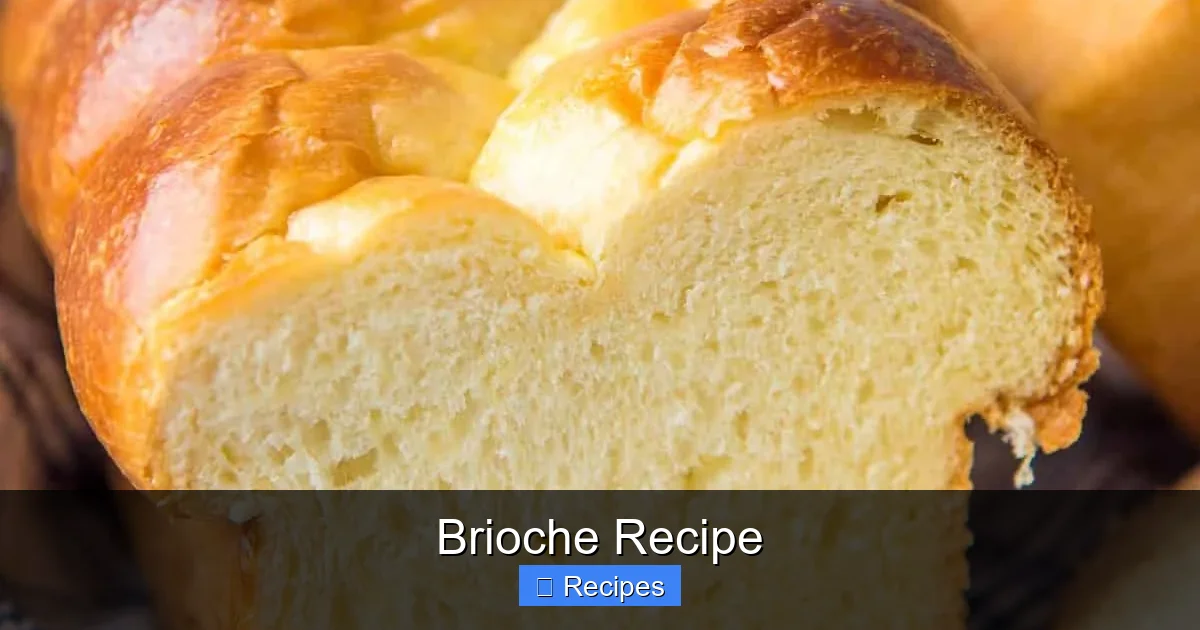
Visual guide about Brioche Recipe
Image source: theflavorbender.com
Key Features of This Recipe
- No stand mixer required: While a mixer helps, you can knead by hand with a little patience.
- Overnight rise option: Chill the dough overnight for better flavor and easier shaping.
- Scalable: Make one loaf or double the batch for freezing.
- Beginner-friendly steps: Clear instructions with tips to avoid common pitfalls.
Ingredients You’ll Need
Good brioche starts with quality ingredients. Here’s what you’ll need for one standard loaf (about 9×5-inch pan):
- 3 1/2 cups (440g) all-purpose flour: Use unbleached for best texture.
- 1/4 cup (50g) granulated sugar: Adds subtle sweetness and helps with browning.
- 1 packet (2 1/4 tsp) active dry yeast: Check the expiration date for best rise.
- 1/2 cup (120ml) warm milk: Around 110°F (43°C)—warm to the touch, not hot.
- 3 large eggs, room temperature: Plus 1 extra egg yolk for richness.
- 1 tsp salt: Balances the sweetness and strengthens gluten.
- 3/4 cup (170g) unsalted butter, softened: Use high-fat European-style butter if possible for extra flavor.
Optional Add-Ins
- 1 tsp vanilla extract for a hint of flavor.
- Zest of one lemon or orange for a citrus twist.
- 1/2 cup chocolate chips or dried fruit for a sweeter variation.
Step-by-Step Brioche Instructions
Follow these steps carefully for the best results. Brioche is forgiving, but timing and temperature matter.
Step 1: Activate the Yeast
In a small bowl, combine the warm milk and sugar. Sprinkle the yeast on top and let sit for 5–10 minutes until frothy. This confirms your yeast is alive and ready to work. If it doesn’t bubble, your yeast may be expired—start over with a fresh packet.
Step 2: Mix the Dough
In a large mixing bowl (or the bowl of a stand mixer), whisk together the flour and salt. Make a well in the center and add the yeast mixture, eggs, and egg yolk. Mix with a wooden spoon or dough hook until a shaggy dough forms.
Step 3: Add the Butter Gradually
This is the most important step. With the mixer on low (or by hand), add the softened butter one tablespoon at a time. Wait until each piece is mostly absorbed before adding the next. This can take 8–10 minutes. The dough will be very sticky at first but will gradually become smooth, elastic, and shiny.
Step 4: First Rise
Place the dough in a lightly greased bowl, cover with plastic wrap or a damp towel, and let rise in a warm place for 1–2 hours, or until doubled in size. For deeper flavor, refrigerate overnight instead. Cold fermentation slows the rise and enhances taste.
Step 5: Shape the Dough
Punch down the risen dough to release air. Turn it out onto a lightly floured surface. For a classic loaf, shape into a rectangle and roll into a log. Place seam-side down in a greased 9×5-inch loaf pan. For individual rolls, divide into 12 pieces and shape into balls.
Step 6: Second Rise
Cover the shaped dough and let rise again for 45–60 minutes, or until puffy and nearly doubled. The dough should spring back slowly when gently pressed.
Step 7: Bake to Perfection
Preheat your oven to 350°F (175°C). Brush the top of the loaf with an egg wash (1 beaten egg + 1 tbsp milk) for a shiny, golden crust. Bake for 30–35 minutes, or until the top is deep golden brown and the internal temperature reaches 190°F (88°C). If the top browns too quickly, tent with foil.
Step 8: Cool and Enjoy
Let the brioche cool in the pan for 10 minutes, then transfer to a wire rack to cool completely. This prevents sogginess. Slice with a serrated knife for clean cuts.
Tips for Success
Even experienced bakers can run into issues with enriched doughs like brioche. Here are some pro tips to ensure your loaf turns out perfect every time.
Use Room Temperature Ingredients
Cold eggs or butter can shock the yeast or prevent proper incorporation. Take your eggs and butter out of the fridge 30–60 minutes before starting. Warm milk should be just above body temperature—too hot will kill the yeast.
Don’t Rush the Butter Addition
Adding butter too quickly can cause the dough to break or become greasy. Patience here pays off. The dough will transform from sticky and rough to smooth and elastic.
Chill for Easier Handling
If the dough becomes too soft or sticky during shaping, pop it in the fridge for 15–20 minutes. Cold dough is easier to work with and holds its shape better.
Check Your Oven Temperature
An oven thermometer ensures accuracy. If your oven runs hot or cold, your brioche may burn or underbake. Most home ovens have hot spots, so rotate the pan halfway through baking if needed.
Store and Freeze Properly
Store cooled brioche in an airtight container at room temperature for up to 3 days. For longer storage, wrap tightly and freeze for up to 3 months. Thaw at room temperature and refresh in a 300°F oven for 5 minutes.
Ways to Enjoy Your Brioche
Brioche isn’t just for eating plain—it’s a canvas for creativity. Here are some delicious ways to use your homemade loaf:
- Classic French Toast: Soak slices in a mixture of eggs, milk, vanilla, and cinnamon, then pan-fry until golden. Top with maple syrup and berries.
- Gourmet Sandwiches: Use as burger buns or for pulled pork, turkey, or grilled cheese.
- Brioche Bread Pudding: Cube stale brioche, mix with custard, bake until golden, and serve with caramel sauce.
- French Toast Casserole: Layer slices in a baking dish, pour over egg mixture, and bake for a make-ahead breakfast.
- Butter and Jam: Sometimes, the simplest pleasure is warm brioche with a pat of butter and a spoonful of preserves.
Common Mistakes to Avoid
Even with a great recipe, small errors can affect the outcome. Here’s what to watch out for:
- Overmixing after adding butter: Once the dough is smooth, stop mixing. Overworking can make it tough.
- Skipping the second rise: This final proof ensures a light, airy texture.
- Using cold butter straight from the fridge: It won’t incorporate well and can tear the dough.
- Baking too soon: Underproofed brioche will be dense and gummy.
- Cutting while hot: Slicing too soon releases steam and makes the loaf soggy.
Conclusion
Making brioche at home is a rewarding experience that fills your kitchen with the irresistible aroma of butter and yeast. While it requires time and a bit of patience, the result—a soft, golden, melt-in-your-mouth loaf—is well worth the effort. Whether you’re serving it for brunch, using it in a decadent dessert, or simply enjoying a slice with your morning coffee, this brioche recipe delivers consistent, impressive results.
With practice, you’ll master the art of enriched doughs and may even move on to challah, panettone, or babka. But for now, savor every buttery bite of your homemade brioche. It’s a testament to the joy of baking—simple ingredients transformed into something truly special.
Frequently Asked Questions
Can I use bread flour instead of all-purpose flour?
Yes, bread flour will give the brioche a slightly chewier texture due to higher protein content. All-purpose flour is preferred for a softer crumb, but either works.
How long does homemade brioche last?
Store at room temperature for up to 3 days in an airtight container. For longer storage, freeze for up to 3 months. Refresh in the oven after thawing.
Why does my brioche collapse after baking?
This usually happens if the dough is overproofed or the oven temperature is too low. Make sure your second rise doesn’t go too long—stop when the dough is puffy, not domed.
Can I make brioche ahead of time?
Absolutely. The dough can be refrigerated after the first rise for up to 24 hours. Shape and bake the next day for fresh, warm brioche.
What’s the best butter to use for brioche?
European-style butter with 82–84% fat content (like Kerrygold or Plugrá) gives the richest flavor and best texture. Regular unsalted butter works well too.
Can I add mix-ins like chocolate or nuts?
Yes! Fold in 1/2 cup of chocolate chips, dried fruit, or chopped nuts after the butter is fully incorporated. Avoid overmixing to keep the dough tender.
