


Mexican blue crab recipes celebrate the sweet, tender meat of this coastal delicacy with bold spices, fresh herbs, and vibrant citrus. From traditional ceviche to modern crab-stuffed chiles, these dishes bring authentic Mexican coastal flavor to your kitchen.
When you think of Mexican cuisine, tacos, enchiladas, and mole might come to mind—but don’t overlook the coastal treasures that define Mexico’s rich seafood culture. One of the most beloved ingredients along the Gulf and Pacific coasts is the Mexican blue crab. With its vibrant blue shell and sweet, succulent meat, this crustacean is a star in regional kitchens, especially in states like Veracruz, Sinaloa, and Baja California.
What makes Mexican blue crab so special isn’t just its flavor—it’s how it’s celebrated. From street food stalls to family kitchens, blue crab is transformed into dishes that burst with freshness, spice, and soul. Whether you’re simmering it in a tomato-based broth or letting it shine in a citrus-marinated ceviche, these recipes honor the ingredient with simplicity and boldness. And the best part? You don’t need to live by the sea to enjoy them. With a few quality ingredients and some know-how, you can bring the taste of Mexico’s coast right to your dinner table.
Key Takeaways
- Mexican blue crab is a coastal favorite: Found along the Gulf of Mexico and Pacific coasts, it’s prized for its sweet, delicate flavor and tender texture.
- Versatile in the kitchen: Perfect for ceviche, tacos, soups, and stuffed dishes, blue crab adapts beautifully to both traditional and modern Mexican cooking.
- Freshness is key: Always use live or freshly cooked crab for the best taste and food safety—never use crab that smells sour or overly fishy.
- Citrus and spice are essential: Lime juice, cilantro, jalapeños, and cumin are common flavor boosters that enhance the crab’s natural sweetness.
- Simple preparation wins: Many Mexican blue crab recipes require minimal cooking, letting the crab’s flavor shine through fresh, raw preparations like ceviche.
- Pair with local sides: Serve with warm tortillas, avocado slices, or a crisp salad to complete the meal.
- Great for gatherings: These recipes are ideal for parties, beach picnics, or family dinners—easy to scale and full of flavor.
Quick Answers to Common Questions
What does Mexican blue crab taste like?
Mexican blue crab has a sweet, delicate flavor with a slightly briny finish. Its meat is tender and flaky, similar to other premium crabs but with a unique coastal freshness.
Can I use canned crab for these recipes?
While fresh or freshly cooked crab is ideal, high-quality canned crab can work in a pinch—especially for soups or cocktails. Just drain well and check for any off smells.
How do I know if blue crab is fresh?
Fresh crab should smell clean and ocean-like, not sour or fishy. The meat should be firm, opaque, and free of dark spots or slime.
Are Mexican blue crab recipes spicy?
They can be, but heat levels are adjustable. Use milder chiles or remove seeds to reduce spice. Many recipes balance heat with citrus and herbs.
Can I freeze Mexican blue crab meat?
Yes! Freeze cooked crab meat in airtight containers for up to 3 months. Thaw in the fridge before using for best texture.
📑 Table of Contents
What Is Mexican Blue Crab?
Mexican blue crab, scientifically known as *Callinectes sapidus*, is a species of swimming crab native to the western Atlantic Ocean and the Gulf of Mexico. It’s commonly found in warm, shallow waters along the Yucatán Peninsula, the Gulf Coast, and parts of the Pacific shoreline. The crab gets its name from the striking blue hue of its claws and shell, which contrasts beautifully with its creamy white meat.
This crab is not only a culinary favorite but also an important part of local economies and ecosystems. Harvested sustainably by fishermen using traps and nets, blue crab is typically sold live, fresh-cooked, or frozen. Its meat is prized for its mild sweetness and tender texture—similar to Dungeness crab but with a slightly brinier finish that pairs perfectly with citrus and chili.
Why It’s a Mexican Kitchen Staple
In coastal Mexican towns, blue crab is more than just food—it’s tradition. Families gather around large pots of crab stew on weekends, and street vendors serve up crab tostadas with a squeeze of lime. The crab’s versatility allows it to shine in both rustic and refined dishes. It’s commonly used in soups, tacos, ceviches, and even stuffed into chiles or empanadas.
One reason for its popularity is how well it absorbs flavors. A quick marinade in lime juice, garlic, and cilantro can transform plain crab meat into a zesty, refreshing dish in under 30 minutes. Plus, because much of the preparation is raw or lightly cooked, it’s perfect for hot days when you want something light yet satisfying.
Essential Ingredients in Mexican Blue Crab Recipes
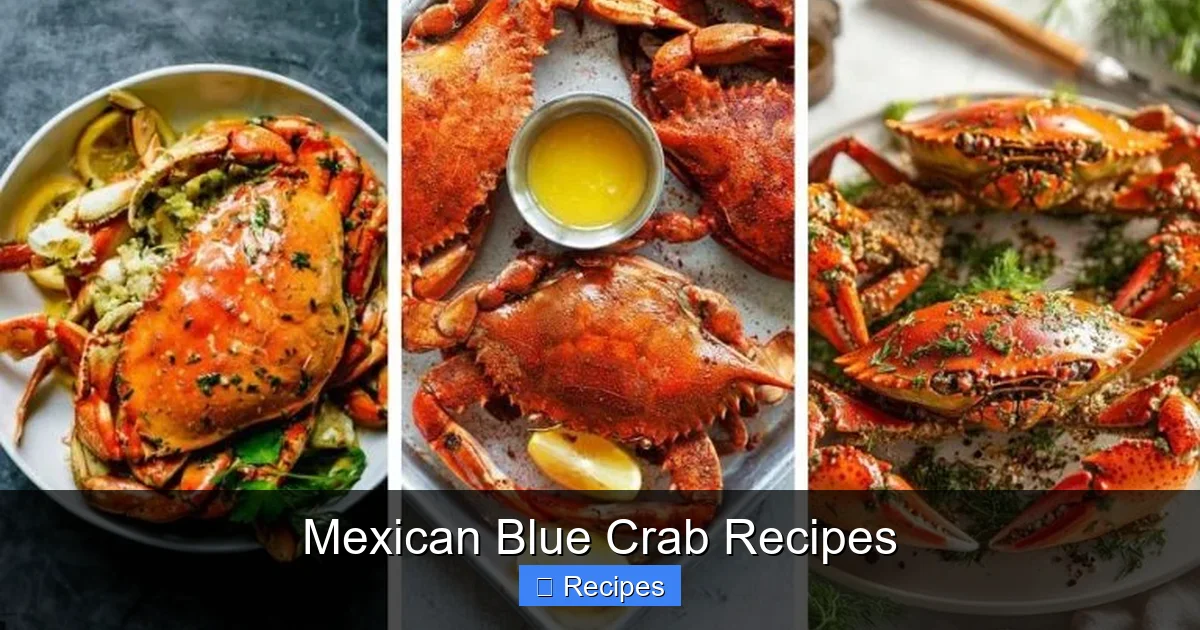
Visual guide about Mexican Blue Crab Recipes
Image source: kitchenhush.com
To make authentic Mexican blue crab dishes, you’ll want to stock up on a few key ingredients that define the flavor profile of coastal Mexican cooking. These aren’t hard to find—most are available at well-stocked grocery stores or Latin markets.
Citrus: The Heart of Freshness
Lime juice is non-negotiable in Mexican blue crab recipes. It “cooks” the crab in ceviche, adds brightness to salads, and balances rich flavors in stews. Always use fresh limes—bottled juice just doesn’t deliver the same punch. A squeeze of orange or grapefruit can also add a subtle sweetness, especially in seafood cocktails.
Chiles for Heat and Depth
Jalapeños, serranos, or even milder poblanos are commonly used to add heat and aroma. Finely diced and mixed into ceviche or sautéed with onions, chiles give dishes a lively kick without overpowering the crab. For a smoky note, try adding a touch of chipotle in adobo.
Fresh Herbs and Aromatics
Cilantro is the star herb in most blue crab recipes. Its bright, slightly citrusy flavor complements the crab beautifully. Garlic, onion, and sometimes epazote (a traditional Mexican herb) are also used to build depth. Freshness matters here—wilted cilantro or old garlic can dull the dish.
Tomatoes and Avocado
Ripe tomatoes add juiciness and acidity, especially in crab cocktails or salads. Avocado brings creaminess and richness, creating a perfect contrast to the crab’s light texture. Together, they form the base of many refreshing appetizers.
Top 5 Mexican Blue Crab Recipes to Try
Ready to cook? Here are five standout recipes that showcase the best of Mexican blue crab—each easy to make and bursting with flavor.
1. Ceviche de Cangrejo (Crab Ceviche)
This is the ultimate summer dish—fresh, light, and ready in 20 minutes. Start with 1 pound of fresh crab meat (preferably hand-picked). Combine it with diced red onion, chopped cilantro, minced jalapeño, and juicy tomatoes. Pour in the juice of 4–6 limes and let it marinate in the fridge for 15–20 minutes. The acid “cooks” the crab, giving it a firm, opaque texture. Serve with tostadas or saltine crackers and a side of avocado.
Pro tip: Add a splash of orange juice for a hint of sweetness that balances the lime.
2. Sopa de Cangrejo (Crab Soup)
A comforting, tomato-based soup that’s popular in Veracruz. Sauté onions, garlic, and bell peppers in olive oil, then add crushed tomatoes, chicken or seafood stock, and a pinch of cumin. Simmer for 15 minutes, then stir in cooked crab meat and fresh cilantro. Serve hot with warm tortillas and a wedge of lime.
Pro tip: For extra richness, add a splash of cream or a dollop of crema before serving.
3. Tacos de Cangrejo (Crab Tacos)
Soft corn tortillas filled with sautéed crab, red cabbage slaw, and a tangy crema. Heat a little oil in a pan and gently warm the crab with garlic and a pinch of chili powder. Serve on warm tortillas with shredded cabbage, diced onions, and a drizzle of lime crema (mix sour cream or Mexican crema with lime juice and salt).
Pro tip: Toast the tortillas on a comal or skillet for extra flavor and texture.
4. Campechana de Cangrejo (Crab Cocktail)
A chilled seafood cocktail that’s perfect for parties. Mix crab meat with shrimp, diced cucumber, red onion, cilantro, and tomato. Pour in a blend of tomato juice, lime juice, and a splash of hot sauce. Serve in tall glasses with saltine crackers or tostadas.
Pro tip: Add a few drops of Worcestershire sauce for umami depth.
5. Chiles Rellenos de Cangrejo (Stuffed Poblano Peppers)
A more elaborate dish, but worth the effort. Roast and peel poblano peppers, then stuff them with a mixture of crab meat, cheese (like queso fresco or Monterey Jack), and sautéed onions. Dip in egg batter and fry until golden, or bake for a lighter version. Serve with a tomato sauce or salsa verde.
Pro tip: Use a mix of crab and shrimp for a more complex flavor.
Tips for Buying and Preparing Mexican Blue Crab
To get the best results, start with quality ingredients. Here’s how to choose and handle Mexican blue crab like a pro.
Choosing Fresh Crab
If buying live crab, look for active movement and a clean, ocean-like smell. Avoid any that smell sour or ammonia-like. For pre-cooked crab, check the packaging for freshness dates and ensure the meat is firm and opaque, not slimy or discolored.
Cleaning and Picking Meat
If you’re using whole crabs, steaming or boiling them first makes picking easier. After cooking, crack the claws and legs with a crab cracker or the back of a knife. Use a small fork or pick to remove the meat from the shell. Be careful of small shell fragments.
Storing Leftovers
Store cooked crab meat in an airtight container in the fridge for up to 2 days. For longer storage, freeze it for up to 3 months. Thaw in the fridge before using.
Serving Suggestions and Pairings
Mexican blue crab dishes are best enjoyed fresh and shared. Here are some classic ways to serve them:
– With warm corn tortillas or tostadas
– Alongside a simple green salad with lime vinaigrette
– Paired with a cold Mexican beer or a margarita
– As part of a seafood platter with shrimp, octopus, and fish
– With a side of arroz rojo (Mexican red rice) or frijoles charros (cowboy beans)
For a complete meal, consider serving crab tacos with a side of grilled vegetables or a fresh fruit salad.
Conclusion
Mexican blue crab recipes are a celebration of flavor, tradition, and simplicity. Whether you’re making a quick ceviche for a weekday dinner or preparing a festive crab cocktail for guests, these dishes bring the vibrant spirit of Mexico’s coast to your kitchen. With fresh ingredients, bold spices, and a little creativity, you can enjoy restaurant-quality seafood at home. So grab some limes, fire up the stove, and let the taste of the ocean transport you—no passport required.
Frequently Asked Questions
Where can I buy Mexican blue crab?
You can find live or cooked Mexican blue crab at seafood markets, Latin grocery stores, or online seafood suppliers. Some supermarkets with strong seafood sections may also carry it, especially in coastal areas.
Is Mexican blue crab sustainable?
When sourced responsibly, yes. Look for crab caught with traps (not dredges) and certified by organizations like the Marine Stewardship Council (MSC) to support sustainable fishing practices.
Can I substitute other crab in these recipes?
Yes, Dungeness, snow crab, or even lump crabmeat can work as substitutes. Keep in mind that flavor and texture may vary slightly, so adjust seasoning as needed.
How long does it take to make crab ceviche?
About 20 minutes total—15 minutes to prep and 5 minutes to marinate. No cooking required, making it one of the fastest Mexican blue crab recipes.
What’s the best way to reheat leftover crab dishes?
Gently warm soups or stews on the stove over low heat. Avoid microwaving ceviche or cocktails, as the acid-marinated crab can become rubbery.
Are there vegetarian versions of these recipes?
While traditional recipes rely on crab, you can create plant-based versions using hearts of palm or jackfruit as a substitute in ceviche or tacos for a similar texture.
