

Korean blood sausage soup, known as *seon*, is a comforting, nutrient-rich dish made with *sundae* (blood sausage), vegetables, and a savory broth. This traditional recipe combines rich flavors and simple ingredients for a warming meal that’s both rustic and deeply satisfying.
Key Takeaways
- Korean blood sausage soup (*seon*) features *sundae*, a sausage made from pork blood, barley, and noodles. It’s simmered with vegetables and spices for a rich, hearty broth.
- The dish is traditionally enjoyed during cold months or at street food stalls across Korea. It’s both nourishing and deeply flavorful, offering a unique taste experience.
- Key ingredients include *sundae*, napa cabbage, radish, garlic, and gochugaru (Korean chili flakes). These create a balanced, umami-packed soup.
- Preparation is simple: boil the sausage, then simmer with vegetables and seasonings. No fancy techniques—just slow cooking for maximum flavor.
- Serve with steamed rice and kimchi for a complete, authentic Korean meal. The soup pairs perfectly with bold side dishes.
- This recipe is customizable—adjust spice levels or add tofu for variation. It’s beginner-friendly and adaptable to dietary preferences.
- Using fresh, high-quality *sundae* is crucial for the best taste and texture. Look for it at Korean markets or online specialty stores.
Quick Answers to Common Questions
What is sundae made of?
Sundae is a Korean blood sausage typically made from pork blood, barley, glass noodles, and seasonings like garlic and pepper, all stuffed into natural casings.
Is Korean blood sausage soup spicy?
It can be, depending on the amount of gochugaru used. The soup has a mild heat by default, but you can adjust the spice level to your preference.
Can I make this soup vegetarian?
Traditional sundae contains meat and blood, so it’s not vegetarian. However, you can make a similar soup using plant-based sausage and vegetable broth.
Where can I buy sundae?
Sundae is available at Korean grocery stores, some Asian markets, or online through specialty food retailers. Look for fresh or frozen options.
How long does the soup last in the fridge?
Store leftovers in an airtight container for up to 3 days. Reheat gently on the stove, adding a splash of water if needed.
📑 Table of Contents
What Is Korean Blood Sausage Soup?
Korean blood sausage soup, commonly called seon (선), is a beloved traditional dish that warms the soul and fills the belly. At its heart is sundae (순대), a type of blood sausage made from pork blood, barley, glass noodles, and seasonings, all stuffed into natural casings. When simmered in a savory broth with vegetables, it transforms into a rich, comforting soup that’s especially popular during chilly weather.
While the idea of blood sausage might seem unusual to some, sundae is a staple in Korean cuisine, enjoyed in various forms—grilled, stir-fried, or, most famously, in soup. Seon is more than just a meal; it’s a cultural experience. You’ll often find it served at bustling street food markets, family gatherings, or cozy home kitchens. The soup’s deep, earthy flavor comes from the slow-simmered broth, which absorbs the essence of garlic, radish, and spices, creating a dish that’s both rustic and refined.
Why You Should Try This Recipe
If you’re a fan of bold flavors and hearty soups, Korean blood sausage soup is a must-try. It’s not just about the unique ingredient—it’s about the balance of textures and tastes. The sundae becomes tender and juicy when boiled, releasing its rich flavor into the broth. Combined with soft napa cabbage, crisp radish, and a hint of spice from gochugaru, every spoonful is satisfying and complex.

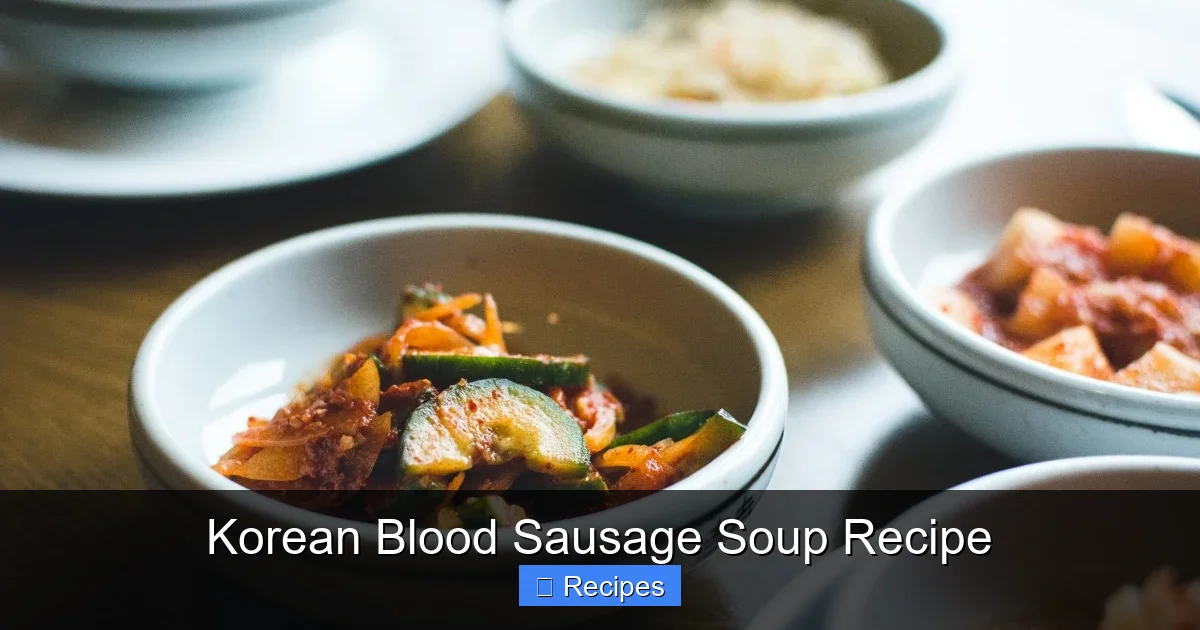
Visual guide about Korean Blood Sausage Soup Recipe
Image source: c.pxhere.com
Beyond taste, this soup is incredibly nourishing. Pork blood is high in iron and protein, making seon a nutrient-dense choice. It’s also surprisingly easy to make at home, requiring no special equipment or advanced skills. Whether you’re exploring Korean cuisine for the first time or looking to expand your soup repertoire, this recipe offers a delicious gateway into a lesser-known but deeply cherished dish.
Ingredients You’ll Need
To make an authentic Korean blood sausage soup, you’ll need a few key ingredients. Most are available at Korean grocery stores or well-stocked Asian markets. Here’s what to gather:
Main Ingredients
- 1 lb (450g) sundae (Korean blood sausage): Look for fresh or frozen sundae with visible barley and noodles inside. Avoid overly processed versions.
- 6 cups water or anchovy-kelp broth: For a richer base, use homemade or store-bought Korean soup stock.
- 1 medium napa cabbage (about 1 lb): Cut into 2-inch pieces. Adds sweetness and texture.
- 1 large Korean radish (mu) or daikon: Peeled and sliced into half-moons. Provides a mild, crisp contrast.
- 4 cloves garlic: Minced or thinly sliced. Essential for depth of flavor.
- 1 tbsp gochugaru (Korean chili flakes): Adjust to taste. Adds a gentle heat and vibrant color.
- 1 tbsp soy sauce: For saltiness and umami.
- 1 tsp sesame oil: Adds a nutty aroma. Use at the end for best effect.
- 1 green onion: Chopped, for garnish.
- Salt and pepper: To taste.
Optional Add-Ins
- 100g firm tofu: Cubed, for extra protein.
- 1 potato: Diced, for heartiness.
- 1 tsp fish sauce: Enhances savory notes.
Tip: If you can’t find fresh sundae, frozen works well—just thaw it in the fridge overnight before cooking.
Step-by-Step Cooking Instructions
Making Korean blood sausage soup is straightforward and rewarding. Follow these steps for a delicious, restaurant-quality result at home.
Step 1: Prepare the Sundae
Start by rinsing the sundae under cold water to remove any excess blood or casing residue. Some people prefer to blanch it first: place the sausage in a pot of cold water, bring to a boil, and cook for 5 minutes. This helps firm it up and reduces any strong odor. Drain and set aside. If your sundae is already pre-cooked (common in stores), you can skip this step.
Step 2: Make the Broth
In a large pot, combine 6 cups of water or broth with the sliced radish and garlic. Bring to a boil over medium-high heat, then reduce to a simmer. Let it cook for about 15 minutes to infuse the broth with flavor. This step builds the foundation of your soup.
Step 3: Add the Sundae and Vegetables
Add the sundae to the pot, gently pressing it down so it’s submerged. Simmer for 10 minutes. Then, add the napa cabbage pieces. Continue simmering for another 10–15 minutes, or until the vegetables are tender and the flavors have melded.
Step 4: Season the Soup
Stir in the gochugaru, soy sauce, and sesame oil. Taste and adjust seasoning with salt and pepper. If using tofu or potato, add them now and cook for an additional 5–7 minutes until soft.
Step 5: Serve and Enjoy
Ladle the soup into bowls, making sure each serving has a piece of sundae, plenty of vegetables, and broth. Garnish with chopped green onions. Serve hot with steamed rice and a side of kimchi for a complete Korean meal.
Pro Tip: Let the soup rest for 5–10 minutes before serving. This allows the flavors to deepen and the sundae to absorb more broth, enhancing every bite.
Serving Suggestions and Pairings
Korean blood sausage soup is best enjoyed as part of a balanced Korean meal. Here are some classic pairings to elevate your dining experience:
Steamed White Rice
A bowl of fluffy, warm rice is essential. It helps balance the rich, savory broth and makes the meal more filling. Simply spoon the soup over the rice for a comforting bite.
Kimchi
No Korean meal is complete without kimchi. The tangy, spicy fermented cabbage cuts through the richness of the soup and adds a refreshing contrast. Try napa cabbage kimchi or radish kimchi (kkakdugi).
Banchan (Side Dishes)
Serve with a few small banchan like spinach salad (sigeumchi namul), seasoned bean sprouts (kongnamul), or pickled radish (danmuji). These add color, crunch, and variety to your plate.
Beverages
Pair with barley tea (bori cha) or cold water. Avoid heavy drinks—light, non-sweet beverages complement the soup best.
For a Heartier Meal
Add a fried egg on top or serve with a side of grilled fish. These additions turn the soup into a full dinner feast.
Tips for the Best Results
To make your Korean blood sausage soup truly exceptional, keep these tips in mind:
Use Fresh, Quality Sundae
The flavor of your soup hinges on the sundae. Choose a reputable brand or ask your Korean market butcher for recommendations. Fresh sundae should have a firm texture and a mild, earthy smell—not overly metallic or sour.
Don’t Overcook the Vegetables
Napa cabbage and radish should be tender but not mushy. Add them later in the cooking process to preserve their texture and nutrients.
Adjust Spice to Your Taste
Gochugaru adds heat, but it’s not overpowering. Start with 1 teaspoon and increase gradually. If you prefer mild soup, reduce or omit it entirely.
Make It Ahead
This soup tastes even better the next day as the flavors deepen. Store leftovers in an airtight container in the fridge for up to 3 days. Reheat gently on the stove.
Freeze for Later
You can freeze the soup (without the sundae, which can become tough) for up to 2 months. Thaw overnight in the fridge and reheat with fresh sundae added at the end.
Conclusion
Korean blood sausage soup is a humble yet extraordinary dish that showcases the depth and warmth of Korean home cooking. With its rich broth, tender sundae, and vibrant vegetables, it’s a meal that comforts the body and delights the palate. Whether you’re braving cold weather or simply craving something new, this recipe offers a delicious adventure into Korean culinary tradition.
Don’t let the idea of blood sausage intimidate you—once you try it, you might just fall in love. Gather your ingredients, follow the simple steps, and enjoy a bowl of seon that’s as nourishing as it is flavorful. It’s more than a soup; it’s a taste of Korea’s soul.
Frequently Asked Questions
Is Korean blood sausage soup healthy?
Yes, it’s rich in iron, protein, and nutrients from vegetables. However, it can be high in sodium, so enjoy in moderation as part of a balanced diet.
Can I use chicken or beef blood sausage instead?
While traditional sundae uses pork blood, you can experiment with other types. Just note that the flavor and texture may differ slightly.
Why is my soup too salty?
This can happen if the sundae or broth is already salty. Taste as you go and reduce added salt or soy sauce accordingly.
Can I add other vegetables?
Absolutely! Try adding mushrooms, zucchini, or spinach for extra nutrition and flavor. Just adjust cooking times to avoid overcooking.
Is the soup gluten-free?
Most sundae contains barley and glass noodles, which are not gluten-free. Look for certified gluten-free versions if needed, or omit the noodles.
What’s the difference between seon and sundae guk?
They’re essentially the same—both refer to soup made with sundae. “Guk” means soup in Korean, while “seon” is a regional or informal term for the dish.
