


Low carb vegetable soup recipes are a smart, tasty way to eat more veggies while cutting back on carbs. These soups are packed with nutrients, easy to make, and perfect for meal prep or cozy weeknight dinners.
Key Takeaways
- Rich in nutrients: Low carb vegetable soups deliver vitamins, minerals, and fiber without the extra carbs.
- Supports weight loss: High volume, low calorie, and filling—ideal for managing hunger and shedding pounds.
- Easy to customize: Swap in your favorite low carb veggies like zucchini, cauliflower, or spinach.
- Meal prep friendly: Make a big batch and store for quick, healthy lunches all week.
- Flavor without the guilt: Use herbs, spices, and broth to create bold tastes without added sugars or starches.
- Diabetic-friendly: Helps stabilize blood sugar with minimal impact on glucose levels.
- Budget-conscious: Uses affordable, seasonal vegetables and pantry staples.
Quick Answers to Common Questions
Can I freeze low carb vegetable soup?
Yes! Most low carb vegetable soups freeze well for up to 3 months. Cool completely before storing in airtight containers or freezer bags. Leave room for expansion and label with the date.
How many carbs are in a typical low carb vegetable soup?
A well-made low carb vegetable soup usually contains 5–10 grams of net carbs per serving, depending on the ingredients. Always check labels and count fiber to calculate net carbs.
Can I add meat to low carb vegetable soup?
Absolutely! Add cooked chicken, ground turkey, or shrimp for extra protein. Just be mindful of added sodium if using processed meats.
What’s the best broth for low carb soups?
Choose low sodium, sugar-free vegetable or bone broth. Homemade is best, but look for brands with no added sugars or starches.
Are canned tomatoes low carb?
Yes, but check the label. Some canned tomatoes have added sugars. Opt for no-salt-added or fire-roasted varieties without extra ingredients.
📑 Table of Contents
- Why Low Carb Vegetable Soup Is a Game-Changer
- What Makes a Soup Truly Low Carb?
- Top 5 Low Carb Vegetable Soup Recipes to Try
- Tips for Perfect Low Carb Vegetable Soup Every Time
- How to Make Low Carb Vegetable Soup Part of Your Routine
- Common Mistakes to Avoid
- Conclusion: Warm, Wholesome, and Worth It
Why Low Carb Vegetable Soup Is a Game-Changer
Let’s be honest—eating healthy doesn’t have to mean eating boring. If you’re cutting back on carbs but still crave something warm, comforting, and satisfying, low carb vegetable soup recipes are your new best friend. These soups are loaded with vibrant, nutrient-dense vegetables, simmered in flavorful broths, and free from high-carb ingredients like potatoes, pasta, or beans. Whether you’re following a keto, paleo, or general low carb lifestyle, these soups fit right in.
What makes low carb vegetable soup so special? It’s all about balance. You get the fullness and fiber of vegetables without the blood sugar spikes from starchy carbs. Plus, they’re incredibly versatile—swap in seasonal produce, add protein like chicken or tofu, or blend for a creamy texture. And the best part? They’re quick to make, easy to store, and taste even better the next day.
What Makes a Soup Truly Low Carb?
Not all vegetable soups are created equal when it comes to carb count. To keep your soup truly low carb, focus on non-starchy vegetables and avoid hidden sugars or thickeners. Think leafy greens, zucchini, bell peppers, mushrooms, and cauliflower—these are your go-to veggies. Avoid potatoes, carrots (in large amounts), corn, and peas, which can add up in carbs quickly.
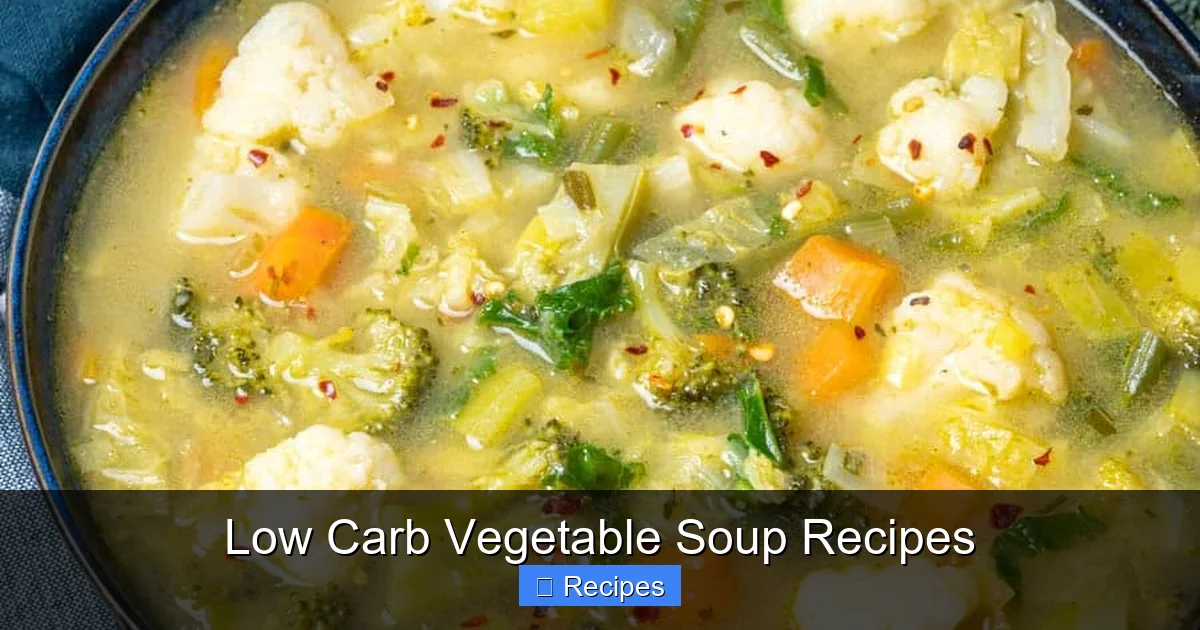
Visual guide about Low Carb Vegetable Soup Recipes
Image source: vegancocotte.com
Smart Ingredient Swaps
Instead of using flour or cornstarch to thicken your soup, try blending part of it with an immersion blender for a creamy texture. Or use cauliflower rice as a base—it adds body without the carbs. For flavor, rely on garlic, onions (in moderation), fresh herbs like thyme and rosemary, and quality broths. A splash of lemon juice or vinegar at the end brightens everything up.
Broth choice matters too. Opt for low sodium, sugar-free vegetable or bone broth. Many store-bought broths contain hidden sugars or MSG, so always check the label. Homemade broth is ideal—simmer bones, onion scraps, and herb stems for hours, then strain and freeze for later use.
Top 5 Low Carb Vegetable Soup Recipes to Try
Ready to get cooking? Here are five simple, delicious low carb vegetable soup recipes that are perfect for any day of the week. Each one is under 10 grams of net carbs per serving and takes less than 45 minutes to make.
1. Zucchini and Cauliflower Creamy Soup
This velvety soup feels indulgent but is completely low carb. Sauté diced zucchini, cauliflower florets, and a small onion in olive oil until soft. Add low carb vegetable broth and simmer for 15 minutes. Blend until smooth, then stir in a splash of heavy cream or coconut milk for richness. Season with salt, pepper, and a pinch of nutmeg. Top with fresh chives or a sprinkle of Parmesan.
2. Spicy Tomato and Bell Pepper Soup
Perfect for when you want a little heat. Sauté red and yellow bell peppers, garlic, and a jalapeño (optional) in avocado oil. Add crushed tomatoes, vegetable broth, and a teaspoon of smoked paprika. Simmer for 20 minutes, then blend lightly for a chunky texture. Serve with a dollop of Greek yogurt and fresh basil. This soup packs a punch of flavor and antioxidants.
3. Asian-Inspired Cabbage and Mushroom Soup
Inspired by miso and ginger flavors, this soup is light yet deeply satisfying. Sauté sliced mushrooms, shredded Napa cabbage, and minced ginger in sesame oil. Add low sodium soy sauce or tamari, rice vinegar, and vegetable broth. Simmer for 15 minutes and finish with sliced green onions and a drizzle of chili oil. It’s umami-rich and perfect for cold days.
4. Mediterranean Vegetable Soup
Bring the flavors of the Mediterranean to your bowl with this colorful soup. Sauté eggplant, zucchini, bell peppers, and tomatoes in olive oil. Add garlic, oregano, and a bay leaf, then pour in low carb vegetable broth. Simmer until tender and finish with fresh parsley and a squeeze of lemon. Serve with a side of olives or feta for extra flavor.
5. Keto-Friendly Broccoli and Cheese Soup
A comfort food classic made low carb. Steam broccoli florets until tender, then blend half of them with broth and heavy cream. Return to the pot and stir in shredded cheddar cheese until melted. Add the remaining broccoli for texture. Season with garlic powder, salt, and pepper. This creamy, cheesy soup is a crowd-pleaser—even for non-keto eaters.
Tips for Perfect Low Carb Vegetable Soup Every Time
Even the best recipes can benefit from a few pro tips. Here’s how to make your low carb vegetable soup shine, whether you’re cooking for one or a family.
Prep Ahead for Success
Chop all your vegetables the night before and store them in the fridge. This makes weeknight cooking a breeze. You can also pre-measure spices and broth so everything is ready to go.
Use Quality Fats
Healthy fats like olive oil, avocado oil, or ghee not only add flavor but also help your body absorb fat-soluble vitamins from the vegetables. Don’t be shy with a tablespoon or two when sautéing.
Layer the Flavors
Start by caramelizing onions or garlic to build depth. Add herbs early in the cooking process so their flavors infuse the broth. Finish with fresh herbs or a splash of acid (like lemon or vinegar) to brighten the soup.
Don’t Overcook the Veggies
Overcooked vegetables lose texture and nutrients. Aim for tender-crisp, especially with greens like spinach or kale—add them in the last 5 minutes of cooking.
Store and Reheat Properly
Store soups in airtight containers in the fridge for up to 5 days or freeze for up to 3 months. Reheat gently on the stove to preserve texture. If the soup thickens in the fridge, just add a splash of broth when reheating.
How to Make Low Carb Vegetable Soup Part of Your Routine
Incorporating low carb vegetable soup into your weekly meal plan is easier than you think. Start by making a double batch on Sunday. Portion it into individual containers for grab-and-go lunches. Pair with a side salad or a hard-boiled egg for a complete meal.
These soups also work great as a starter for dinner. Serve a small bowl before your main course to help control appetite and reduce overeating. They’re especially helpful during the holiday season or when you’re trying to reset after indulgent meals.
If you’re new to low carb eating, soups are a gentle way to transition. They’re filling, hydrating, and help you get used to eating more vegetables. Plus, they’re a great way to use up leftover veggies before they go bad—just toss them into the pot and simmer.
Common Mistakes to Avoid
Even experienced cooks can slip up when making low carb soups. Here are a few pitfalls to watch out for.
Using High-Carb Vegetables
Carrots, corn, and potatoes may seem harmless, but they can quickly push your soup out of low carb territory. Stick to approved veggies and check net carbs (total carbs minus fiber) if you’re tracking closely.
Skipping the Fat
Low carb doesn’t mean low fat. Healthy fats are essential for satiety and nutrient absorption. Don’t make the mistake of cooking everything in water—use oils and broths with fat for better flavor and fullness.
Over-Relying on Salt
While salt enhances flavor, too much can lead to bloating and high blood pressure. Use herbs, spices, citrus, and vinegar to add depth without over-salting.
Not Tasting as You Go
Taste your soup at different stages. Adjust seasoning gradually—once it’s too salty or bland, it’s hard to fix. A little goes a long way with spices.
Conclusion: Warm, Wholesome, and Worth It
Low carb vegetable soup recipes are more than just a diet trend—they’re a sustainable, delicious way to nourish your body. Whether you’re managing your weight, controlling blood sugar, or simply eating cleaner, these soups deliver on flavor, nutrition, and convenience. With endless variations and easy prep, they’re a staple you’ll turn to again and again.
So grab your pot, chop some veggies, and let the aroma fill your kitchen. Your taste buds—and your body—will thank you.
Frequently Asked Questions
Is low carb vegetable soup good for weight loss?
Yes, it’s excellent for weight loss. These soups are high in fiber and water, which help you feel full longer, while being low in calories and carbs.
Can I use frozen vegetables in low carb soup?
Absolutely! Frozen veggies are just as nutritious as fresh and often more convenient. Just thaw and drain excess water before adding to the soup.
How do I thicken low carb vegetable soup without flour?
Blend part of the soup with an immersion blender, or add cauliflower rice, coconut milk, or a small amount of xanthan gum for thickness.
Are low carb vegetable soups safe for diabetics?
Yes, when made with non-starchy vegetables and no added sugars, these soups have minimal impact on blood sugar and are a great option for diabetics.
Can I make low carb vegetable soup in a slow cooker?
Definitely! Sauté aromatics first, then add all ingredients to the slow cooker and cook on low for 6–8 hours or high for 3–4 hours.
What vegetables should I avoid in low carb soup?
Limit or avoid high-carb veggies like potatoes, corn, peas, and large amounts of carrots. Stick to leafy greens, zucchini, cauliflower, and bell peppers.
