


Japanese bread machine recipes deliver soft, fluffy, and slightly sweet loaves that are perfect for breakfast or snacking. From classic shokupan (milk bread) to fun-shaped melon pan, these recipes are easy to make at home with your bread machine—no kneading required.
If you’ve ever bitten into a slice of Japanese milk bread—soft, slightly sweet, and impossibly fluffy—you know it’s unlike any bread you’ve had before. That melt-in-your-mouth texture, the delicate golden crust, and the way it holds together without crumbling… it’s no wonder Japanese bread has won hearts around the world. And the best part? You don’t need to visit a specialty bakery to enjoy it. With a bread machine and a few simple ingredients, you can bake authentic Japanese-style bread right in your kitchen.
Japanese bread machine recipes are perfect for home bakers who want delicious results without the hassle of hand-kneading or long proofing times. These recipes are designed to work seamlessly with your machine’s cycles, taking the guesswork out of timing and technique. Whether you’re a seasoned baker or just starting out, these recipes offer a fun and rewarding way to explore Japanese baking traditions. From classic white loaves to sweet buns filled with red bean paste, there’s something for every taste.
Key Takeaways
- Japanese bread is known for its soft, pillowy texture: Achieved through techniques like tangzhong (flour roux) and high milk content.
- Bread machines simplify the process: Automate kneading, rising, and baking—ideal for beginners and busy bakers.
- Common ingredients include milk, sugar, butter, and bread flour: These create the signature tender crumb and mild sweetness.
- Popular recipes include shokupan, melon pan, and anpan: Each offers unique flavors and textures, from plain milk bread to sweet red bean buns.
- Using the tangzhong method improves moisture and shelf life: A simple roux made from flour, water, and milk keeps bread fresh longer.
- Customize with fillings or toppings: Add matcha, chocolate, or sesame seeds for extra flavor and visual appeal.
- Follow machine instructions carefully: Ingredient order and timing matter for consistent results.
Quick Answers to Common Questions
What makes Japanese bread so soft?
Japanese bread is soft due to high milk and fat content, the use of bread flour, and techniques like tangzhong, which adds moisture and extends freshness.
Can I make Japanese bread without a bread machine?
Yes, but a bread machine simplifies kneading and rising. You can make these recipes by hand or with a stand mixer, but it requires more time and effort.
What is tangzhong and why is it used?
Tangzhong is a cooked roux of flour, water, and milk. It gelatinizes starch, resulting in softer, moister bread that stays fresh longer.
Can I freeze Japanese bread?
Absolutely. Slice the bread and freeze in an airtight bag. Toast directly from frozen for a quick, fresh-tasting snack.
What’s the difference between shokupan and melon pan?
Shokupan is a soft, plain milk bread loaf, while melon pan is a sweet bun with a crispy cookie crust and a soft interior.
📑 Table of Contents
Why Japanese Bread Is So Special
Japanese bread, especially shokupan (milk bread), is beloved for its incredibly soft and airy texture. Unlike dense Western loaves, Japanese bread is light, moist, and slightly sweet—almost like a cross between bread and cake. This unique quality comes from a combination of high-quality ingredients and special techniques like the tangzhong method.
The Role of Tangzhong
Tangzhong is a Chinese technique adopted by Japanese bakers to create ultra-soft bread. It involves cooking a small portion of flour with water and milk into a roux before adding it to the dough. This gelatinizes the starch, allowing the bread to retain more moisture and stay fresh longer. The result? A loaf that stays soft for days—even without preservatives.
High Milk and Fat Content
Japanese bread recipes often use more milk, butter, and sugar than traditional bread. This not only adds flavor but also contributes to the tender crumb. Bread flour, which has a higher protein content than all-purpose flour, helps develop strong gluten for structure while still keeping the texture delicate.
Essential Ingredients for Japanese Bread Machine Recipes
To make authentic Japanese bread at home, you’ll need a few key ingredients. Most are easy to find at your local grocery store or Asian market.
Basic Ingredients
- Bread flour: Provides structure and chew. Look for Japanese brands like King Arthur or Nisshin for best results.
- Milk: Whole milk adds richness. You can substitute with non-dairy milk, but results may vary.
- Sugar: Adds sweetness and helps with browning. Granulated or superfine sugar works best.
- Butter: Unsalted butter keeps the flavor clean and adds tenderness.
- Egg: Often used for richness and a golden crust.
- Yeast: Active dry or instant yeast. Make sure it’s fresh for reliable rising.
- Salt: Balances sweetness and strengthens gluten.
Optional Add-Ins
For extra flavor, try adding matcha powder, cocoa, or yuzu zest. You can also mix in fillings like sweet red bean paste (anko) or custard. Toppings like sugar glaze or sesame seeds add texture and visual appeal.
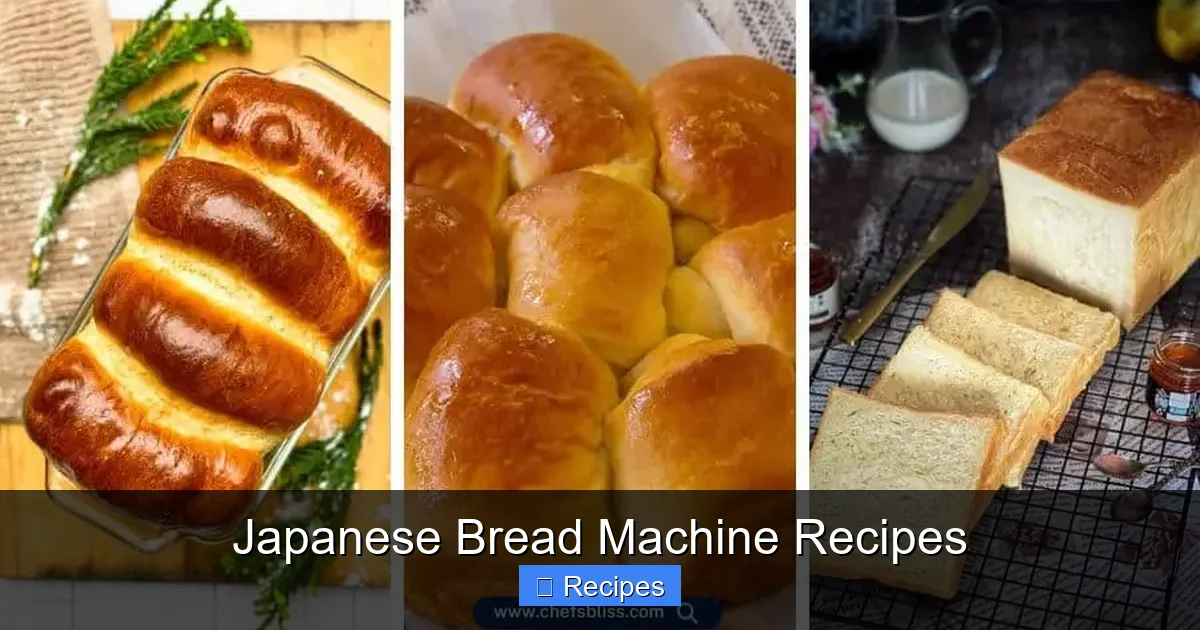
Visual guide about Japanese Bread Machine Recipes
Image source: chefsbliss.com
Top 5 Japanese Bread Machine Recipes
Here are five must-try recipes that work beautifully in your bread machine. Each one highlights a different aspect of Japanese baking.
1. Classic Shokupan (Japanese Milk Bread)
This is the quintessential Japanese bread—soft, fluffy, and perfect for toast or sandwiches. The tangzhong method ensures it stays fresh for days.
Ingredients: 1/4 cup bread flour, 1/2 cup water, 1/2 cup milk (for tangzhong); 2 cups bread flour, 1/4 cup sugar, 1 tsp salt, 1 large egg, 1/2 cup milk, 2 tbsp butter, 2 tsp instant yeast.
Instructions: Make the tangzhong by heating flour, water, and milk until thickened. Cool slightly. Add all ingredients to the bread machine in the order recommended by the manufacturer. Use the “Sweet” or “Basic” cycle. Slice when completely cooled.
2. Melon Pan (Sweet Crispy Bread)
Named for its melon-like appearance, this bread has a crunchy cookie crust and a soft interior. It’s a popular street snack in Japan.
Ingredients: For dough: 2 cups bread flour, 1/4 cup sugar, 1 tsp salt, 1 egg, 1/2 cup milk, 2 tbsp butter, 2 tsp yeast. For topping: 1/2 cup flour, 1/4 cup sugar, 2 tbsp butter, 1 egg yolk, 1 tbsp milk.
Instructions: Make the dough in the bread machine using the dough cycle. While it rises, prepare the topping by mixing dry and wet ingredients into a crumbly dough. Roll out, cut into strips, and wrap around risen dough balls. Bake in a conventional oven at 350°F (175°C) for 15–18 minutes.
3. Anpan (Red Bean Bun)
A sweet bun filled with smooth red bean paste, anpan is a beloved Japanese treat. The bread is soft and slightly sweet, with a subtle sesame seed topping.
Ingredients: 2 cups bread flour, 1/4 cup sugar, 1 tsp salt, 1 egg, 1/2 cup milk, 2 tbsp butter, 2 tsp yeast, 1 cup sweet red bean paste, black sesame seeds.
Instructions: Use the dough cycle to make the bread. After rising, divide dough into 8 pieces. Flatten each, add a spoonful of anko, and seal. Place on a baking sheet, brush with egg wash, and sprinkle with sesame seeds. Bake at 350°F (175°C) for 15 minutes.
4. Matcha Milk Bread
This vibrant green loaf is infused with matcha powder for a delicate earthy flavor. It’s perfect with tea or as a dessert bread.
Ingredients: 2 cups bread flour, 2 tbsp matcha powder, 1/4 cup sugar, 1 tsp salt, 1 egg, 1/2 cup milk, 2 tbsp butter, 2 tsp yeast.
Instructions: Sift matcha powder with flour to avoid clumps. Add all ingredients to the bread machine and use the “Sweet” cycle. The result is a fragrant, colorful loaf with a subtle tea flavor.
5. Hokkaido Milk Bread (Tangzhong Method)
This version of milk bread uses the tangzhong method for maximum softness. It’s rich, moist, and stays fresh for up to a week.
Ingredients: 1/4 cup bread flour, 1/2 cup water, 1/2 cup milk (for tangzhong); 2 1/4 cups bread flour, 1/4 cup sugar, 1 tsp salt, 1 egg, 1/2 cup milk, 3 tbsp butter, 2 1/4 tsp yeast.
Instructions: Prepare tangzhong and cool. Add to bread machine with remaining ingredients. Use the “Basic” or “Sweet” cycle. Slice only after cooling completely to preserve texture.
Tips for Success with Your Bread Machine
Even with the best recipe, a few tips can make a big difference in your results.
Follow the Ingredient Order
Most bread machines require liquid ingredients first, followed by dry, with yeast on top. This prevents the yeast from activating too early. Always check your machine’s manual.
Use Room Temperature Ingredients
Cold milk or eggs can slow down yeast activity. Let ingredients sit at room temperature for 30 minutes before starting.
Don’t Overload the Machine
Stick to the recommended dough size for your machine (usually 1.5 to 2 pounds). Overloading can cause uneven mixing or burning.
Experiment with Cycles
Some machines have a “Japanese” or “Sweet” cycle designed for enriched doughs. If yours doesn’t, use the “Basic” cycle and monitor the dough. If it’s too sticky, add a little flour; if too dry, add a teaspoon of milk.
Cool Before Slicing
Japanese bread is very soft. Cutting it too soon can cause it to collapse. Let it cool completely on a wire rack before slicing.
Storing and Serving Japanese Bread
One of the joys of Japanese bread is how long it stays fresh—thanks to techniques like tangzhong.
Storage Tips
- Room temperature: Store in a bread box or paper bag for up to 3 days.
- Refrigeration: Not recommended—it dries out the bread.
- Freezing: Slice and freeze in a zip-top bag for up to 3 months. Toast directly from frozen.
Serving Suggestions
Enjoy shokupan plain, toasted with butter, or in Japanese-style sandwiches (katsu sando). Melon pan is best eaten fresh. Anpan makes a great snack or breakfast. Matcha bread pairs beautifully with green tea or coffee.
Conclusion
Japanese bread machine recipes bring the magic of Japanese baking into your home with ease and consistency. Whether you’re craving the cloud-like softness of shokupan, the crunchy sweetness of melon pan, or the comforting richness of anpan, these recipes deliver authentic flavors and textures without the need for advanced skills. With a few simple ingredients and your trusty bread machine, you can enjoy bakery-quality bread every day. So dust off that machine, gather your ingredients, and start baking your way through Japan—one delicious loaf at a time.
Frequently Asked Questions
Can I use all-purpose flour instead of bread flour?
You can, but bread flour has more protein, which helps create a better structure and chew. All-purpose flour may result in a denser loaf.
Why didn’t my bread rise in the machine?
Check that your yeast is fresh, ingredients are at room temperature, and you followed the correct order. Cold ingredients or expired yeast can prevent rising.
How do I know when the bread is done baking?
The machine will signal when the cycle is complete. The crust should be golden brown, and the internal temperature should be around 190°F (88°C).
Can I add fillings like chocolate or fruit?
Yes! Add chocolate chips, dried fruit, or jam during the kneading cycle when the machine pauses, or fold in by hand after the first rise.
Is Japanese bread healthy?
It’s higher in sugar and fat than whole-grain breads, so enjoy in moderation. You can reduce sugar slightly, but it may affect texture and browning.
What’s the best way to reheat Japanese bread?
Toast slices in a toaster or oven for a few minutes. For buns, warm in the oven at 300°F (150°C) for 5–7 minutes to restore softness.
