


January is the perfect time to embrace the Mediterranean diet with nourishing, seasonal recipes that boost energy and support long-term health. These dishes focus on fresh vegetables, whole grains, lean proteins, and heart-healthy fats—ideal for post-holiday reset and winter wellness.
Key Takeaways
- Seasonal ingredients shine: January Mediterranean diet recipes highlight winter produce like citrus, kale, root vegetables, and legumes for maximum flavor and nutrition.
- Heart-healthy fats are key: Olive oil, nuts, and fatty fish like salmon provide essential omega-3s and support cardiovascular health.
- Plant-forward meals dominate: Over half your plate should feature vegetables, fruits, beans, and whole grains to align with Mediterranean principles.
- Simple prep, big flavor: Most recipes require minimal cooking time and use pantry staples, making healthy eating convenient even on busy days.
- Supports sustainable weight management: The diet’s emphasis on fiber and healthy fats helps you feel full longer, reducing cravings and overeating.
- Boosts mood and energy: Nutrient-dense foods rich in antioxidants and B vitamins can improve mental clarity and combat winter fatigue.
- Easy to customize: Whether vegetarian, pescatarian, or omnivore, these recipes adapt easily to your dietary preferences.
Quick Answers to Common Questions
What makes the Mediterranean diet good for January?
The Mediterranean diet emphasizes seasonal winter produce like citrus, kale, and root vegetables, making it ideal for January. Its warming, nutrient-dense meals help combat winter fatigue and support immune health.
Can I follow the Mediterranean diet if I’m vegetarian?
Absolutely! The diet is naturally plant-forward. Focus on legumes, whole grains, vegetables, nuts, seeds, and dairy or eggs if you consume them. You’ll still get plenty of protein and healthy fats.
How often should I eat fish on this diet?
Fatty fish like salmon, sardines, and mackerel are recommended at least twice a week for their omega-3 fatty acids, which support heart and brain health.
Is olive oil really that important?
Yes! Extra virgin olive oil is a cornerstone of the Mediterranean diet. It’s rich in monounsaturated fats and antioxidants, and it’s best used for low-heat cooking, dressings, and drizzling.
Can I still enjoy desserts on this diet?
Yes, in moderation. Fresh fruit is the go-to dessert, but occasional treats like dark chocolate or Greek yogurt with honey are perfectly acceptable as part of a balanced approach.
📑 Table of Contents
Why the Mediterranean Diet Is Perfect for January
January often brings a wave of New Year’s resolutions centered around health, wellness, and shedding post-holiday indulgences. Instead of restrictive diets that leave you feeling deprived, the Mediterranean diet offers a sustainable, enjoyable approach to eating well. Rooted in the traditional eating habits of countries like Greece, Italy, and Spain, this lifestyle emphasizes whole, minimally processed foods that are as delicious as they are nutritious.
What makes the Mediterranean diet especially ideal for January? For one, it aligns perfectly with seasonal produce. Winter brings an abundance of citrus fruits, leafy greens, root vegetables, and hearty legumes—all staples of this eating pattern. Plus, the diet’s focus on warming soups, stews, and roasted dishes makes it comforting during colder months. Whether you’re looking to improve heart health, manage weight, or simply eat more mindfully, these January Mediterranean diet recipes offer a flavorful path forward.
Core Principles of the Mediterranean Diet
Before diving into specific recipes, it’s helpful to understand the foundational principles of the Mediterranean diet. This isn’t just a meal plan—it’s a lifestyle that celebrates food, family, and balance. At its core, the diet encourages daily consumption of plant-based foods, healthy fats, and moderate portions of fish and poultry.
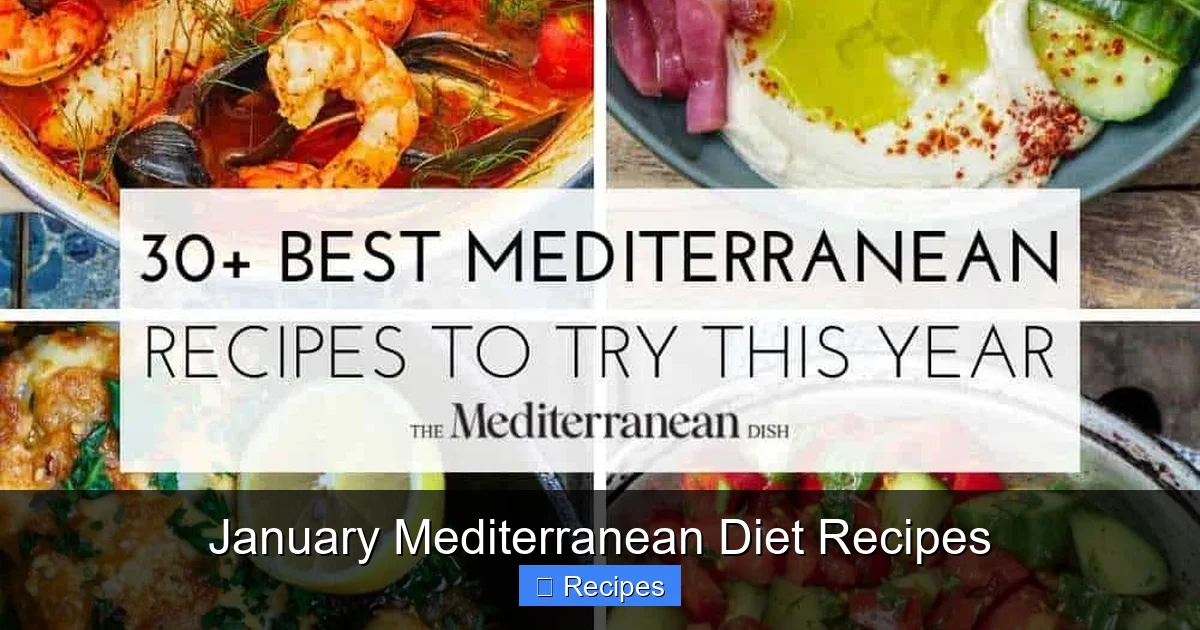
Visual guide about January Mediterranean Diet Recipes
Image source: i.pinimg.com
Plant-Based Foods Take Center Stage
Vegetables, fruits, whole grains, beans, nuts, and seeds should make up the majority of your meals. Think colorful salads, roasted vegetable medleys, and grain bowls packed with fiber and nutrients. These foods are rich in antioxidants, which help reduce inflammation and support immune function—especially important during winter.
Healthy Fats Are Your Friends
Unlike low-fat diets, the Mediterranean approach embraces fats—particularly monounsaturated and polyunsaturated fats. Extra virgin olive oil is the cornerstone, used for cooking, dressings, and drizzling. Nuts like almonds and walnuts, along with seeds such as chia and flax, add crunch and heart-healthy benefits. Fatty fish like salmon, sardines, and mackerel are recommended twice a week for their omega-3 content.
Lean Proteins and Moderation
While red meat is limited, poultry, eggs, and dairy (especially yogurt and cheese) are included in moderation. Legumes like lentils and chickpeas serve as excellent plant-based protein sources. The key is balance—no food is off-limits, but portion control and frequency matter.
Top January Mediterranean Diet Recipes to Try
Now that you know the basics, let’s explore some practical, delicious January Mediterranean diet recipes that are easy to prepare and packed with seasonal goodness. These dishes are designed to warm you up, nourish your body, and keep your taste buds happy.
1. Citrus and Kale Winter Salad
This vibrant salad combines the bitterness of kale with the bright acidity of winter citrus—perfect for cutting through heavy holiday meals. Massage chopped kale with a bit of olive oil and lemon juice to soften the leaves, then top with segments of orange, grapefruit, and blood orange. Add toasted almonds, crumbled feta, and a drizzle of honey-lemon vinaigrette for a refreshing yet hearty dish.
2. Mediterranean Lentil and Vegetable Soup
A bowl of this hearty soup is like a warm hug on a cold January day. Sauté onions, carrots, and celery in olive oil, then add garlic, tomatoes, vegetable broth, and green or brown lentils. Season with oregano, thyme, and a bay leaf, and simmer until tender. Stir in chopped spinach or kale at the end for extra nutrients. Serve with a slice of whole-grain bread for a complete meal.
3. Baked Salmon with Roasted Root Vegetables
Salmon is a Mediterranean diet favorite, and this simple baked version is foolproof. Place salmon fillets on a baking sheet and surround them with chopped carrots, parsnips, beets, and red onions. Drizzle everything with olive oil, sprinkle with rosemary and black pepper, and roast at 400°F for 20–25 minutes. The result? A flavorful, nutrient-dense dinner rich in omega-3s and fiber.
4. Whole Wheat Pasta with White Beans and Garlic Sautéed Greens
Who says pasta can’t be healthy? Swap refined pasta for whole wheat or legume-based varieties and toss with cannellini beans, garlic, and sautéed Swiss chard or spinach. Finish with a generous drizzle of olive oil, a squeeze of lemon, and a sprinkle of Parmesan. This dish is quick, satisfying, and full of plant-based protein and fiber.
5. Greek Yogurt Parfait with Seasonal Fruit and Nuts
For breakfast or a snack, layer plain Greek yogurt with sliced pears, pomegranate seeds, and a handful of walnuts or almonds. Drizzle with a touch of honey and sprinkle with cinnamon. This parfait provides probiotics, protein, and healthy fats to keep you energized throughout the day.
Tips for Success with January Mediterranean Diet Recipes
Adopting a new way of eating doesn’t have to be overwhelming. With a few smart strategies, you can make these January Mediterranean diet recipes a seamless part of your routine.
Stock Your Pantry with Staples
Keep your kitchen ready with Mediterranean essentials: extra virgin olive oil, canned tomatoes, chickpeas, lentils, whole grains like farro and bulgur, nuts, seeds, and dried herbs like oregano, thyme, and basil. These ingredients form the backbone of countless recipes and reduce last-minute grocery runs.
Prep Ahead for Busy Days
Sunday meal prep can save you time and stress. Chop vegetables, cook a batch of grains, or prepare a big pot of soup to enjoy throughout the week. Store components separately so you can mix and match for different meals.
Embrace Flavor Without Salt
The Mediterranean diet relies on herbs, spices, citrus, and garlic to add depth to dishes—reducing the need for excess salt. Experiment with combinations like lemon and oregano, garlic and rosemary, or cumin and paprika to keep meals exciting.
Stay Hydrated with Herbal Teas and Water
While the Mediterranean diet doesn’t emphasize beverages as much as food, staying hydrated is still important. Herbal teas like chamomile or mint, along with plenty of water, support digestion and energy levels—especially in dry winter air.
Health Benefits of Starting the Year with Mediterranean Eating
Choosing January Mediterranean diet recipes isn’t just about eating well—it’s about investing in long-term health. Research consistently shows that this eating pattern is linked to lower risks of heart disease, type 2 diabetes, and cognitive decline. The combination of healthy fats, fiber, and antioxidants supports everything from brain function to gut health.
Additionally, the diet’s emphasis on mindful eating and shared meals can improve mental well-being. Sitting down to a home-cooked meal with family or friends—even virtually—fosters connection and reduces stress. In a season that can feel isolating or sluggish, these small rituals make a big difference.
Conclusion
January is a fresh start, and the Mediterranean diet offers a delicious, science-backed way to embrace healthier habits. With its focus on seasonal ingredients, simple preparation, and bold flavors, it’s a sustainable choice that fits seamlessly into daily life. Whether you’re whipping up a citrus-kale salad, simmering a pot of lentil soup, or baking salmon with root vegetables, these January Mediterranean diet recipes prove that healthy eating doesn’t have to be boring or restrictive.
So this year, skip the fad diets and embrace a way of eating that’s been cherished for generations. Your body—and your taste buds—will thank you.
Frequently Asked Questions
What are the main foods in the Mediterranean diet?
The Mediterranean diet focuses on fruits, vegetables, whole grains, legumes, nuts, seeds, olive oil, and moderate amounts of fish, poultry, and dairy. Red meat and processed foods are limited.
Is the Mediterranean diet good for weight loss?
Yes, many people find they lose weight or maintain a healthy weight on this diet due to its high fiber content and emphasis on satiating healthy fats and proteins.
Can I drink alcohol on the Mediterranean diet?
Moderate consumption of red wine—about one glass per day for women and up to two for men—is common in the traditional diet, but it’s optional and not required for health benefits.
How is the Mediterranean diet different from other diets?
Unlike restrictive diets, the Mediterranean diet is flexible, sustainable, and focuses on food quality and lifestyle rather than calorie counting or eliminating food groups.
What are some easy Mediterranean breakfast ideas?
Try Greek yogurt with fruit and nuts, whole-grain toast with avocado and a poached egg, or a veggie omelet with a side of olives and tomatoes.
Do I need to cook every day to follow this diet?
Not at all. While home cooking is encouraged, the diet also includes simple meals like salads, grain bowls, and leftovers. Meal prep and batch cooking can make it even easier.
