

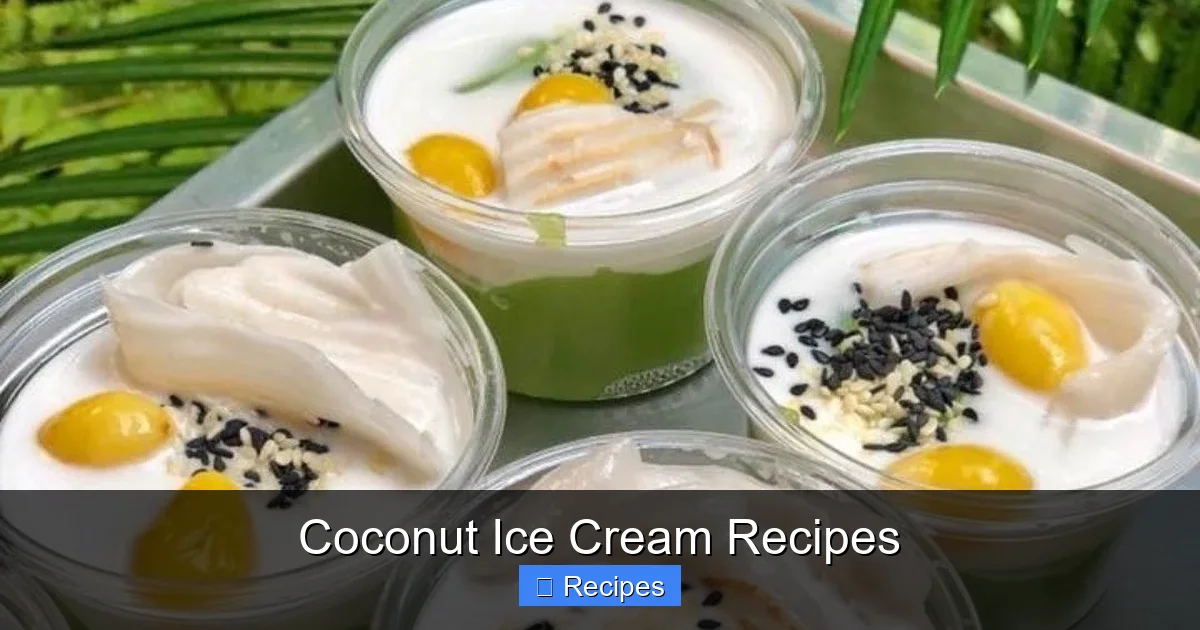
Indulge in rich, creamy coconut ice cream made with simple, wholesome ingredients. Whether you’re dairy-free, vegan, or just craving tropical flavor, these coconut ice cream recipes deliver a refreshing treat that’s easy to customize and perfect for any occasion.
Coconut ice cream is more than just a dessert—it’s a creamy, tropical escape in every spoonful. With its naturally rich texture and subtle sweetness, coconut ice cream has become a favorite among health-conscious eaters, vegans, and anyone looking to cut back on dairy. Whether you’re new to plant-based desserts or a seasoned ice cream maker, coconut-based recipes offer a delicious alternative that doesn’t sacrifice flavor or creaminess.
What makes coconut ice cream so special? It all starts with coconut milk. Unlike traditional ice cream, which relies on heavy cream and eggs, coconut ice cream uses full-fat coconut milk as its base. This gives it a velvety mouthfeel and a naturally sweet, nutty flavor that pairs beautifully with a variety of mix-ins and toppings. Plus, it’s incredibly versatile—you can keep it simple with just a few ingredients or get creative with swirls, chunks, and spices.
Key Takeaways
- Uses coconut milk for a rich, creamy texture: Full-fat coconut milk creates a luxurious base without dairy.
- Perfect for dairy-free and vegan diets: These recipes are naturally free of milk and eggs, making them ideal for plant-based eaters.
- Customizable with mix-ins and flavors: Add chocolate chips, fruit swirls, or spices like cardamom to suit your taste.
- No ice cream maker? No problem: Many recipes work with a simple freezer method using a shallow container.
- Sweetened naturally with maple syrup or agave: Avoid refined sugars by using natural sweeteners for a healthier treat.
- Quick prep time with minimal ingredients: Most recipes require just 5–7 ingredients and 10–15 minutes of prep.
- Great for meal prep and summer gatherings: Make a batch ahead for parties, picnics, or guilt-free snacking.
Quick Answers to Common Questions
Can I use light coconut milk?
It’s not recommended. Light coconut milk has less fat, which results in a thinner, icier texture. Full-fat coconut milk is essential for creamy, rich ice cream.
How do I prevent ice crystals?
Stir the mixture every 2 hours during the first 4 hours of freezing, and store it with parchment paper pressed on the surface to minimize air exposure.
Can I make this without an ice cream maker?
Yes! The no-churn method works perfectly. Just use a shallow container and stir periodically while freezing.
Is coconut ice cream healthy?
It can be part of a balanced diet. It’s dairy-free and often made with natural sweeteners, but it’s still high in fat and calories, so enjoy in moderation.
Can I add alcohol to the recipe?
Yes, but use sparingly. Add 1–2 tbsp of rum or coconut liqueur to prevent the ice cream from freezing too hard.
📑 Table of Contents
Why Choose Coconut Ice Cream?
Coconut ice cream isn’t just tasty—it’s also a smart choice for many dietary needs. It’s naturally dairy-free, making it a great option for those with lactose intolerance or milk allergies. It’s also vegan-friendly when made without honey or other animal products. And because coconut milk contains healthy fats, it can help keep you full longer compared to lighter, sugar-heavy desserts.
Another benefit? It’s surprisingly easy to make at home. You don’t need fancy equipment or hard-to-find ingredients. Most coconut ice cream recipes use pantry staples like coconut milk, sweetener, and vanilla extract. And if you don’t own an ice cream maker, no worries—there are plenty of no-churn methods that work just as well.
Essential Ingredients for Coconut Ice Cream
The beauty of coconut ice cream lies in its simplicity. You don’t need a long list of ingredients to create something delicious. Here’s what you’ll typically need:
Full-Fat Coconut Milk
This is the star of the show. Look for unsweetened, full-fat coconut milk in a can—avoid the “light” versions, as they lack the richness needed for creamy ice cream. Shake the can well before opening to ensure the cream and liquid are fully combined.
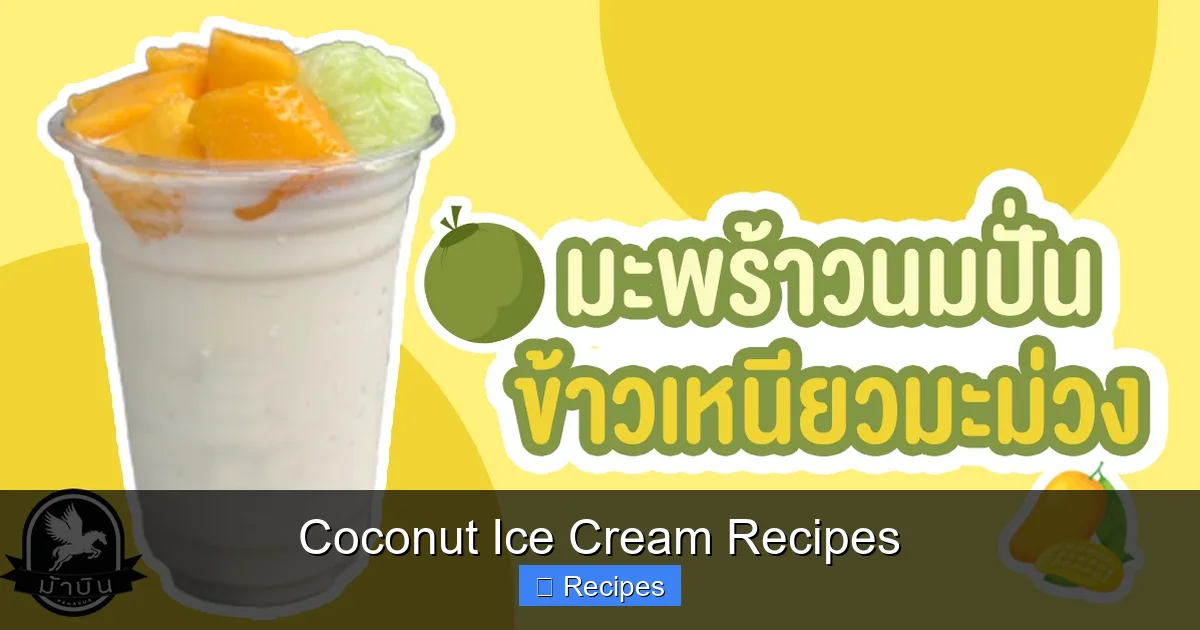
Visual guide about Coconut Ice Cream Recipes
Image source: mabintea.com
Natural Sweeteners
Maple syrup, agave nectar, or coconut sugar work beautifully. They blend smoothly into the base and complement coconut’s natural flavor. Avoid using granulated sugar alone, as it can crystallize and make the ice cream gritty.
Vanilla Extract
A splash of pure vanilla enhances the coconut flavor without overpowering it. Use real vanilla extract for the best taste—imitation versions can leave a chemical aftertaste.
Optional Add-Ins
- Salt: A pinch of sea salt balances the sweetness and deepens the flavor.
- Lime or lemon zest: Adds a bright, citrusy note that cuts through the richness.
- Coconut flakes: Toasted or raw, they add texture and extra coconut flavor.
- Chocolate chips or cacao nibs: For a decadent twist.
Basic Coconut Ice Cream Recipe (No Churn)
This no-churn recipe is perfect for beginners. It requires no special equipment and takes just 10 minutes to prepare. You’ll need:
- 1 can (13.5 oz) full-fat coconut milk
- 1/4 cup maple syrup (adjust to taste)
- 1 tsp vanilla extract
- Pinch of sea salt
Step-by-Step Instructions
1. Chill the coconut milk in the refrigerator overnight. This helps separate the cream from the liquid, making it easier to whip.
2. Open the can and scoop out the solid cream into a mixing bowl. Reserve the liquid for smoothies or curries.
3. Add maple syrup, vanilla, and salt. Use a hand mixer or whisk to beat until smooth and slightly thickened—about 2–3 minutes.
4. Pour the mixture into a shallow, freezer-safe container. Cover with plastic wrap or a lid.
5. Freeze for at least 6 hours or overnight. For a smoother texture, stir every 2 hours during the first 4 hours of freezing.
6. Let it sit at room temperature for 5–10 minutes before scooping.
Creative Coconut Ice Cream Variations
Once you’ve mastered the basic recipe, it’s time to get creative. Here are a few fun variations to try:
Mango Coconut Swirl
Blend 1 cup of ripe mango with 1 tbsp lime juice and 1 tbsp maple syrup. Swirl the mango puree into the base before freezing. The result? A tropical, fruity delight with bursts of sunshine in every bite.
Chocolate Coconut Delight
Melt 1/4 cup dairy-free chocolate chips with 1 tsp coconut oil. Drizzle the warm chocolate into the ice cream base and fold gently. Freeze as usual for a rich, fudgy swirl.
Toasted Coconut Chunk
Toast 1/2 cup unsweetened coconut flakes in a dry pan over medium heat until golden. Let cool, then fold into the base before freezing. The toasted flavor adds depth and crunch.
Matcha Coconut Fusion
Whisk 1 tsp high-quality matcha powder into the coconut base before freezing. The earthy green tea flavor pairs surprisingly well with coconut’s sweetness.
Tips for Perfect Texture and Flavor
Even the best recipes can go wrong if you skip a few key steps. Here’s how to ensure your coconut ice cream turns out creamy, smooth, and delicious every time:
Chill Everything
Always chill your coconut milk and mixing bowl beforehand. Cold ingredients help the mixture freeze evenly and prevent icy chunks.
Stir During Freezing
If you’re not using an ice cream maker, stir the mixture every 2 hours during the first 4 hours of freezing. This breaks up ice crystals and creates a smoother texture.
Don’t Over-Sweeten
Coconut milk is naturally sweet. Start with less sweetener and taste as you go. You can always add more, but you can’t take it away.
Use a Shallow Container
Freeze the mixture in a wide, shallow container (like a loaf pan) instead of a deep one. This allows for faster, more even freezing.
Let It Rest Before Scooping
Frozen coconut ice cream can be quite hard. Let it sit at room temperature for 5–10 minutes before serving for easy scooping.
Storing and Serving Coconut Ice Cream
Proper storage is key to maintaining texture and flavor. Store your ice cream in an airtight container with a piece of parchment paper pressed directly onto the surface. This prevents ice crystals from forming.
It will keep well in the freezer for up to 2 weeks. For longer storage, consider portioning it into smaller containers so you only thaw what you need.
When serving, pair your coconut ice cream with fresh fruit, a drizzle of caramel, or a sprinkle of toasted nuts. It’s also delicious in a waffle cone or as a topping for warm brownies.
Conclusion
Coconut ice cream is a delicious, dairy-free treat that’s easy to make and endlessly customizable. With just a few simple ingredients, you can create a creamy, tropical dessert that satisfies your sweet tooth without the guilt. Whether you’re vegan, lactose intolerant, or just looking for a refreshing summer treat, these coconut ice cream recipes are a must-try.
Experiment with flavors, play with textures, and don’t be afraid to get creative. Once you discover how satisfying homemade coconut ice cream can be, you might just leave store-bought versions behind for good.
Frequently Asked Questions
What’s the best brand of coconut milk for ice cream?
Look for brands like Thai Kitchen, Native Forest, or Aroy-D. Choose unsweetened, full-fat versions with minimal additives for the best texture and flavor.
Can I use coconut cream instead of coconut milk?
Yes, coconut cream is even richer and can be used alone or mixed with a little water to achieve the right consistency. It makes for an extra-luxurious ice cream.
Why is my ice cream too hard?
This often happens when the mixture freezes too quickly or contains too much water. Stirring during freezing and using full-fat coconut milk helps prevent this.
Can I make coconut ice cream sugar-free?
Absolutely. Use sugar-free sweeteners like monk fruit, stevia, or erythritol. Adjust to taste, as some sweeteners are much stronger than sugar.
How long does it take to freeze?
It typically takes 6–8 hours to fully freeze, but stirring every 2 hours during the first 4 hours improves texture. Overnight freezing is ideal.
Can I use frozen coconut milk?
No, freezing and thawing coconut milk can cause it to separate and become grainy. Always use fresh, chilled coconut milk for the best results.
