

Buttermilk bread is a tender, slightly tangy loaf that’s incredibly soft and easy to make at home. With just a few pantry staples and the magic of buttermilk, you can bake delicious homemade bread that’s perfect for toast, sandwiches, or enjoying fresh from the oven.
Key Takeaways
- Buttermilk adds tenderness and flavor: Its acidity reacts with baking soda or yeast, creating a light, fluffy texture and subtle tang.
- Simple ingredients, big results: Most buttermilk bread recipes use flour, sugar, salt, butter, and buttermilk—no fancy tools needed.
- Great for beginners: These recipes are forgiving and don’t require advanced baking skills.
- Versatile and customizable: Add herbs, cheese, or seeds to create savory versions, or enjoy it plain for sweet applications.
- Perfect for meal prep: Homemade buttermilk bread stays fresh for days and freezes well for long-term storage.
- No-knead options available: Many recipes use a no-knead method, saving time and effort while still delivering soft, airy loaves.
- Ideal for sandwiches and toast: The soft crumb and mild flavor make it a favorite for everyday use.
Quick Answers to Common Questions
Can I freeze buttermilk bread?
Yes! Slice the cooled loaf, wrap it tightly in plastic wrap, then in foil or a freezer bag. It will keep for up to 2 months. Thaw at room temperature or toast slices directly from frozen.
Why is my buttermilk bread dense?
This usually happens from overmixing, expired baking soda, or not enough leavening. Make sure your ingredients are fresh and mix the dough just until combined.
Can I use buttermilk bread for French toast?
Absolutely! Its soft texture and mild flavor make it ideal for soaking up custard. Stale slices work even better.
How long does homemade buttermilk bread last?
Stored in an airtight container at room temperature, it stays fresh for 2–3 days. For longer storage, freeze it.
Can I make buttermilk bread in a bread machine?
Yes! Use the dough setting for yeast-based recipes, then shape and bake in a loaf pan. For no-knead versions, the machine isn’t necessary.
📑 Table of Contents
- Why Buttermilk Bread Is a Must-Try for Home Bakers
- What Is Buttermilk—And Why Does It Work So Well in Bread?
- Classic Buttermilk Bread Recipe (No-Knead Method)
- Fluffy Yeast-Based Buttermilk Bread
- Creative Variations: Sweet and Savory Buttermilk Bread Ideas
- Tips for Perfect Buttermilk Bread Every Time
- Conclusion: Bake Your Way to Better Bread
Why Buttermilk Bread Is a Must-Try for Home Bakers
There’s something deeply satisfying about pulling a warm, golden loaf of homemade bread from the oven. The aroma fills the kitchen, the crust gives a gentle crackle when tapped, and the first slice reveals a soft, airy interior. Buttermilk bread takes that experience to the next level. It’s not just another loaf—it’s a tender, slightly tangy masterpiece that’s surprisingly easy to make, even if you’re new to baking.
What makes buttermilk bread so special? It’s all in the buttermilk. This cultured dairy product adds moisture, tenderness, and a subtle tang that balances the sweetness of the dough. The acidity in buttermilk also reacts with leavening agents like baking soda or yeast, helping the bread rise beautifully and develop a light, fluffy crumb. Plus, it’s incredibly versatile—whether you’re making a classic sandwich loaf, a savory herb version, or a sweet cinnamon-swirl variation, buttermilk bread adapts with ease.
What Is Buttermilk—And Why Does It Work So Well in Bread?
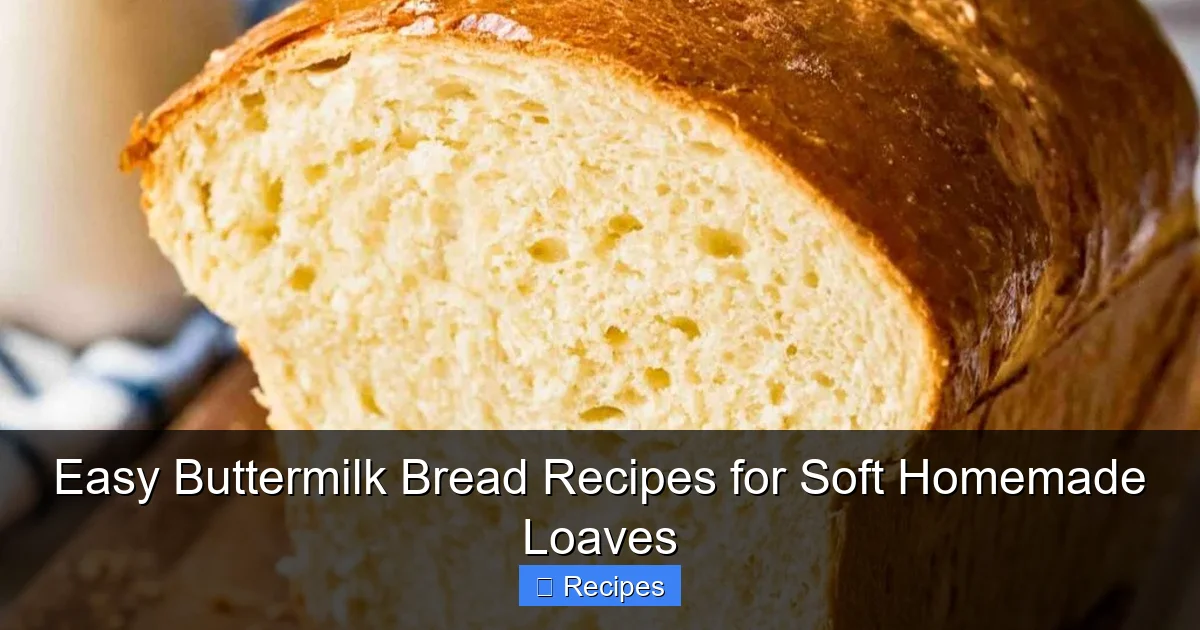
Visual guide about Easy Buttermilk Bread Recipes for Soft Homemade Loaves
Image source: heartscontentfarmhouse.com
Buttermilk isn’t just milk with a funny name. Traditionally, it was the liquid left behind after churning butter from cultured cream. Today, most store-bought buttermilk is made by adding lactic acid bacteria to low-fat milk, which gives it that signature tangy flavor and thick consistency.
So why does it work so well in bread? The answer lies in chemistry. Buttermilk is acidic, and that acidity does two important things: it tenderizes the gluten in the dough, resulting in a softer texture, and it reacts with baking soda (or helps yeast work more efficiently), creating carbon dioxide bubbles that make the bread rise. This dual action means your loaf ends up light, moist, and full of flavor—without needing hours of kneading or proofing.
Can I Substitute Buttermilk?
If you don’t have buttermilk on hand, don’t worry—there are easy substitutes. Mix 1 cup of milk (whole or 2%) with 1 tablespoon of lemon juice or white vinegar. Let it sit for 5–10 minutes until it thickens slightly. This DIY version works just as well in most recipes. Alternatively, you can use plain yogurt thinned with a little milk to reach a pourable consistency.
Classic Buttermilk Bread Recipe (No-Knead Method)
This no-knead buttermilk bread recipe is perfect for beginners. It requires minimal effort, uses simple ingredients, and delivers a soft, fluffy loaf that’s ideal for toast, sandwiches, or slathering with butter.
Ingredients You’ll Need
- 3 cups (360g) all-purpose flour
- 1 tablespoon granulated sugar
- 1 teaspoon salt
- 1 teaspoon baking soda
- 1 ¾ cups (414ml) buttermilk, at room temperature
- 2 tablespoons unsalted butter, melted (plus extra for brushing)
Step-by-Step Instructions
- Preheat your oven to 375°F (190°C). Lightly grease a 9×5-inch loaf pan and set aside.
- Mix dry ingredients. In a large bowl, whisk together the flour, sugar, salt, and baking soda until well combined.
- Add wet ingredients. Pour in the buttermilk and melted butter. Stir gently with a wooden spoon or spatula until just combined. The dough will be shaggy and sticky—that’s okay! Overmixing leads to tough bread.
- Transfer to pan. Scrape the dough into the prepared loaf pan and smooth the top with a wet spatula.
- Bake for 45–50 minutes. The bread is done when the top is golden brown and a toothpick inserted into the center comes out clean.
- Cool and enjoy. Let the bread cool in the pan for 10 minutes, then transfer to a wire rack. Brush the top with melted butter for a soft, shiny crust.
This recipe yields one soft, tender loaf that’s perfect for slicing and serving warm. Store leftovers in an airtight container for up to 3 days, or freeze for up to 2 months.
Fluffy Yeast-Based Buttermilk Bread
If you prefer a traditional yeast-risen loaf with a slightly chewier texture, this fluffy buttermilk bread recipe is for you. It takes a bit more time, but the result is a beautifully risen, aromatic bread that’s worth the wait.
Ingredients
- 3 ½ cups (420g) bread flour or all-purpose flour
- ¼ cup (50g) granulated sugar
- 1 teaspoon salt
- 2 ¼ teaspoons (1 packet) active dry yeast
- 1 cup (237ml) buttermilk, warmed to 110°F (43°C)
- 2 large eggs
- ¼ cup (57g) unsalted butter, softened
Instructions
- Activate the yeast. In a small bowl, combine the warm buttermilk and sugar. Sprinkle the yeast on top and let sit for 5–10 minutes until foamy.
- Mix the dough. In a large mixing bowl, combine the flour and salt. Add the yeast mixture, eggs, and softened butter. Mix until a soft dough forms.
- Knead the dough. Turn the dough onto a floured surface and knead for 8–10 minutes until smooth and elastic. Alternatively, use a stand mixer with a dough hook.
- First rise. Place the dough in a greased bowl, cover with a damp towel, and let rise in a warm place for 1–1.5 hours, or until doubled in size.
- Shape and second rise. Punch down the dough, shape it into a loaf, and place it in a greased 9×5-inch pan. Cover and let rise again for 30–45 minutes.
- Bake at 350°F (175°C) for 30–35 minutes. The bread is done when it’s golden and sounds hollow when tapped.
- Cool completely before slicing. This helps prevent a gummy texture.
This yeast-based version has a slightly more complex flavor and a chewier crumb, making it ideal for hearty sandwiches or French toast.
Creative Variations: Sweet and Savory Buttermilk Bread Ideas
Once you’ve mastered the basics, it’s time to get creative! Buttermilk bread is a fantastic canvas for flavor additions. Here are a few delicious variations to try:
Savory Herb Buttermilk Bread
Add 2 tablespoons of dried herbs (like rosemary, thyme, or oregano) and 1 teaspoon of garlic powder to the dry ingredients. You can also fold in ½ cup of grated cheddar cheese for a cheesy, aromatic loaf perfect for soups or dinner rolls.
Cinnamon Swirl Buttermilk Bread
Prepare the basic no-knead dough, then roll it out into a rectangle. Spread with a mixture of 2 tablespoons softened butter, ¼ cup brown sugar, and 1 tablespoon cinnamon. Roll it up tightly, place it seam-side down in the pan, and bake as directed. The result is a sweet, swirled loaf that’s perfect for breakfast.
Whole Wheat Buttermilk Bread
Replace half of the all-purpose flour with whole wheat flour for a heartier, nuttier flavor. You may need to add an extra tablespoon or two of buttermilk to keep the dough moist, as whole wheat absorbs more liquid.
Buttermilk Bread with Seeds and Oats
Stir in ¼ cup of rolled oats and 2 tablespoons of sunflower or pumpkin seeds into the dough for added texture and nutrition. This version is great for toast or as a side to salads.
Tips for Perfect Buttermilk Bread Every Time
Even the best recipes can go sideways without a few key tips. Here’s how to ensure your buttermilk bread turns out soft, fluffy, and delicious every time:
- Use room-temperature ingredients. Cold buttermilk or butter can hinder rising and mixing. Let them sit out for 30 minutes before baking.
- Don’t overmix the dough. Stir just until combined. Overmixing develops too much gluten, leading to a dense loaf.
- Check your baking soda. If it’s old, it won’t react properly with the buttermilk. Test it by dropping a pinch into vinegar—it should fizz immediately.
- Bake on the center rack. This ensures even heating and prevents the top from browning too quickly.
- Let it cool before slicing. Cutting into warm bread can make it gummy. Wait at least 30 minutes for the best texture.
- Store properly. Keep bread in a bread box or airtight container at room temperature for up to 3 days. For longer storage, slice and freeze.
Conclusion: Bake Your Way to Better Bread
Buttermilk bread is more than just a recipe—it’s a gateway to homemade goodness. With its soft texture, subtle tang, and endless customization options, it’s a loaf that belongs in every baker’s repertoire. Whether you’re using the no-knead method for a quick weekday bake or taking the time to let yeast work its magic, the result is always satisfying.
Plus, there’s something deeply comforting about knowing exactly what’s in your bread—no preservatives, no mystery ingredients, just simple, wholesome goodness. So the next time you’re craving fresh bread, reach for the buttermilk. Your kitchen (and your taste buds) will thank you.
Frequently Asked Questions
What’s the difference between buttermilk bread and regular bread?
Buttermilk bread has a softer, more tender crumb and a slight tangy flavor thanks to the acidic buttermilk. It also tends to stay moist longer than regular bread.
Can I use low-fat buttermilk?
Yes, low-fat buttermilk works well in most recipes. Just avoid non-fat versions, as they may lack the richness needed for a soft texture.
Do I need a stand mixer to make buttermilk bread?
No. Most buttermilk bread recipes, especially no-knead versions, can be made by hand with a bowl and spoon. A mixer is helpful but not required.
Why does my bread have large holes inside?
Large air pockets can form if the dough is overproofed or handled too roughly. Gently deflate the dough during shaping to minimize holes.
Can I add fruit to buttermilk bread?
Yes! Dried cranberries, raisins, or chopped apples work well. Add them during the mixing stage, and reduce the buttermilk slightly to account for extra moisture.
Is buttermilk bread healthier than white bread?
It can be, especially if made with whole wheat flour. Buttermilk adds protein and calcium, and the acidity may improve digestibility for some people.
