

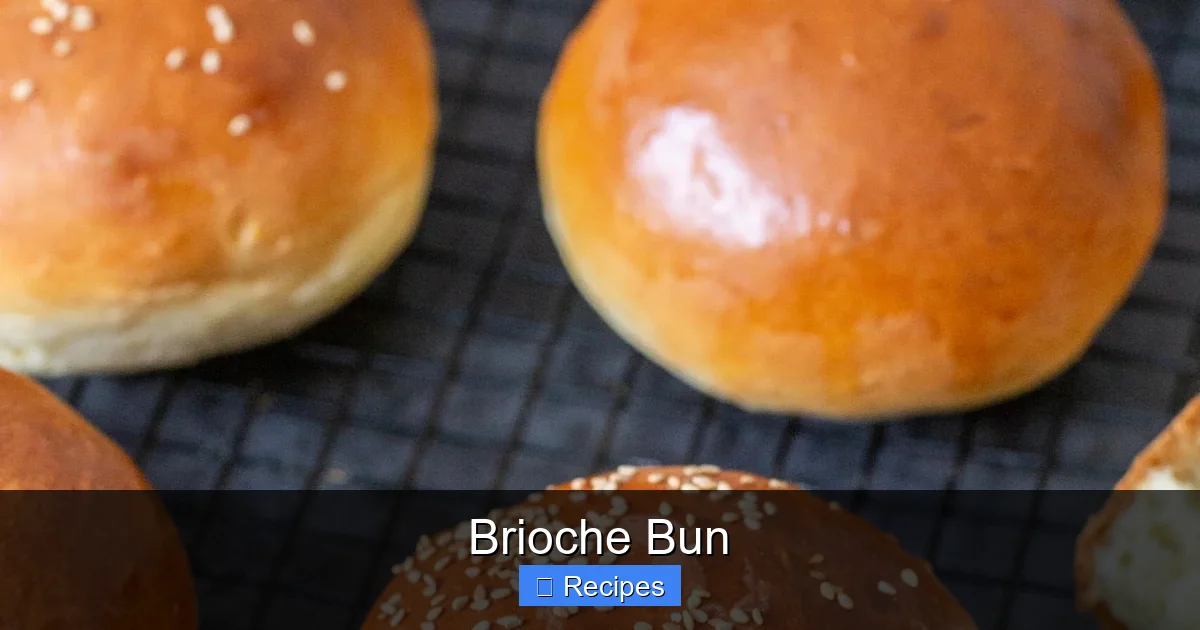
A brioche bun is a soft, slightly sweet, and incredibly fluffy bread roll made with eggs, butter, and milk. It’s the perfect upgrade for burgers, sliders, or even French toast.
If you’ve ever bitten into a burger with a golden, slightly sweet, and impossibly soft bun that practically melts in your mouth, chances are you’ve tasted a brioche bun. These luxurious rolls are more than just bread—they’re a small indulgence that transforms any sandwich into a gourmet experience. With their rich, buttery flavor and tender crumb, brioche buns have become a favorite among home cooks and professional chefs alike.
What makes brioche buns so special? It all comes down to the ingredients. Unlike regular bread rolls, brioche is enriched with eggs, butter, and sometimes milk, giving it a cake-like softness and a subtle sweetness. The dough is kneaded until smooth and elastic, then allowed to rise slowly, developing deep flavor and a light, airy texture. The result? A bun that’s sturdy enough to hold juicy fillings but delicate enough to feel like a treat with every bite.
Key Takeaways
- Rich and Buttery Flavor: Brioche buns are made with generous amounts of butter and eggs, giving them a rich, tender crumb and a golden crust.
- Versatile Use: Ideal for gourmet burgers, breakfast sandwiches, sliders, or even dessert applications like bread pudding.
- Homemade vs. Store-Bought: While convenient, store-bought versions often lack freshness and richness—homemade brioche buns offer superior taste and texture.
- Requires Time and Patience: The dough needs time to rise, but the result is worth the wait—light, airy, and melt-in-your-mouth soft.
- Easy to Customize: Add herbs, garlic, or cheese to the dough for savory twists, or brush with egg wash for a shiny, golden finish.
- Freezer-Friendly: Bake ahead and freeze for up to 3 months—perfect for quick meals on busy days.
- Perfect for Special Occasions: Elevate any meal with the luxurious feel of a homemade brioche bun—ideal for holidays or dinner parties.
Quick Answers to Common Questions
What makes brioche buns different from regular buns?
Brioche buns are enriched with eggs and butter, giving them a richer, softer, and slightly sweeter taste compared to regular buns.
Can I make brioche buns ahead of time?
Yes! Bake them ahead and store at room temperature for 2 days or freeze for up to 3 months. Reheat in the oven to refresh.
Do brioche buns need to be toasted?
Not necessarily, but toasting enhances their flavor and texture, especially when used for burgers or sandwiches.
Can I add flavors to brioche bun dough?
Absolutely! Try adding garlic, herbs, cheese, or even cinnamon and raisins for a sweet twist.
Why is my brioche dough so sticky?
Sticky dough is normal due to the high butter and egg content. Handle gently and avoid adding too much extra flour.
📑 Table of Contents
What Is a Brioche Bun?
A brioche bun is a type of enriched bread roll made from a rich dough that includes flour, sugar, eggs, butter, milk, yeast, and salt. Originating from France, brioche has been a staple in French baking since the 17th century. Traditionally baked as a loaf, modern adaptations include shaping the dough into individual buns perfect for sandwiches.
The Origins of Brioche
Brioche traces its roots to Normandy, France, where it was once considered a luxury item due to its high butter and egg content. In fact, during times of scarcity, brioche was so rich that it sparked political unrest—legend says it was one of the foods Marie Antoinette allegedly referred to when she (probably falsely) said, “Let them eat cake.” Whether or not that’s true, brioche’s decadence has long been associated with indulgence and celebration.
How It Differs from Regular Buns
Unlike standard hamburger buns or dinner rolls, brioche buns are noticeably richer and softer. Regular buns are typically made with just flour, water, yeast, and a little sugar. Brioche, on the other hand, uses a high ratio of fat and eggs, which creates a tender, moist crumb and a golden, slightly crisp exterior when baked. This richness makes brioche buns perfect for absorbing sauces and holding up to hearty fillings without falling apart.
Why Use Brioche Buns?
Brioche buns aren’t just delicious—they’re incredibly versatile. Whether you’re making a classic cheeseburger, a breakfast sandwich with eggs and bacon, or a decadent dessert slider, brioche buns add a touch of elegance to any dish.
Perfect for Gourmet Burgers
Forget the stale, squishy buns from fast food joints. A toasted brioche bun holds its shape under the weight of a juicy patty, melted cheese, and all your favorite toppings. The slight sweetness of the bun balances the savory flavors of the meat, creating a harmonious bite every time.
Visual guide about Brioche Bun
Image source: yoshino-gypsum.com
Ideal for Breakfast Sandwiches
Imagine biting into a warm brioche bun stuffed with scrambled eggs, crispy bacon, and a slice of sharp cheddar. The soft, buttery texture soaks up the egg yolk and adds a richness that elevates the entire meal. It’s the kind of breakfast that makes you want to slow down and savor every bite.
Great for Desserts and Sliders
Brioche buns aren’t just for savory dishes. Their subtle sweetness makes them perfect for dessert sliders—think mini banana splits, chocolate-hazelnut spreads, or even grilled with cinnamon sugar for a quick treat. They’re also excellent for bread pudding or French toast, thanks to their absorbent texture.
How to Make Brioche Buns at Home
Making brioche buns from scratch may seem intimidating, but with a little patience and the right technique, it’s totally doable—even for beginner bakers. The key is to take your time with the rising process and handle the dough gently to preserve its airy structure.
Ingredients You’ll Need
- 4 cups (500g) all-purpose flour
- 1/2 cup (100g) granulated sugar
- 2 1/4 tsp (7g) active dry yeast
- 1/2 cup (120ml) warm milk
- 4 large eggs, room temperature
- 1 tsp salt
- 1 cup (226g) unsalted butter, softened
- 1 egg + 1 tbsp milk (for egg wash)
Step-by-Step Instructions
In a large bowl or stand mixer, dissolve the yeast in warm milk with a pinch of sugar. Let it sit for 5–10 minutes until frothy. Add the flour, sugar, salt, and eggs. Mix on low until combined, then increase speed and knead for 8–10 minutes until the dough is smooth and elastic. Gradually add the softened butter, a few tablespoons at a time, until fully incorporated. The dough will be sticky—that’s normal.
Place the dough in a greased bowl, cover with plastic wrap, and let it rise in a warm place for 1.5–2 hours, or until doubled in size. Punch down the dough, then divide it into 8–12 equal pieces. Shape each into a smooth ball and place on a parchment-lined baking sheet. Cover and let rise again for 45–60 minutes.
Preheat your oven to 375°F (190°C). Brush the buns with egg wash and bake for 15–18 minutes, or until golden brown. Let cool slightly before slicing and serving.
Tips for Success
- Use room temperature ingredients—cold butter won’t incorporate properly.
- Don’t skip the second rise—it’s essential for a light, fluffy texture.
- If the dough is too sticky, lightly flour your hands, but avoid adding too much extra flour.
- For extra shine, brush with egg wash just before baking.
Storing and Freezing Brioche Buns
One of the best things about brioche buns is that they store well—both at room temperature and in the freezer. This makes them perfect for meal prep or baking in batches.
Room Temperature Storage
Store cooled brioche buns in an airtight bag or container at room temperature for up to 2 days. To refresh, lightly toast them in a toaster or oven for a few minutes.
Freezing for Later
Wrap cooled buns individually in plastic wrap, then place in a freezer-safe bag. They’ll keep for up to 3 months. To thaw, leave them at room temperature for a few hours or reheat in a 350°F (175°C) oven for 5–7 minutes.
Reviving Stale Buns
If your buns have gone a bit stale, don’t toss them! Slice them in half, brush with melted butter, and toast in the oven until warm and crispy. They’re perfect for French toast or bread pudding.
Creative Ways to Use Brioche Buns
Once you’ve mastered the basics, the possibilities are endless. Here are a few fun and delicious ways to use your homemade brioche buns.
Gourmet Sliders
Mini brioche buns are perfect for sliders. Try them with pulled pork, teriyaki chicken, or even grilled halloumi and roasted vegetables. The small size makes them great for parties or appetizers.
Breakfast Sandwich Bar
Set up a DIY breakfast bar with toasted brioche buns, scrambled eggs, bacon, sausage, cheese, and avocado. Let everyone build their own masterpiece.
Dessert Sliders
Cut mini brioche buns in half and fill with Nutella, sliced bananas, and whipped cream. Or try them with lemon curd and fresh berries for a light, summery treat.
Common Mistakes to Avoid
Even experienced bakers can run into issues when making brioche buns. Here are a few common pitfalls and how to avoid them.
Overmixing the Dough
While kneading is important, overmixing can make the buns tough. Stop once the dough is smooth and passes the “windowpane test”—when you can stretch a small piece thin enough to see light through it.
Using Cold Butter
Cold butter won’t blend into the dough properly. Always use softened butter—it should give slightly when pressed with a finger.
Skipping the Rises
Rushing the rising process leads to dense, heavy buns. Let the dough rise fully for the best texture and flavor.
Conclusion
Brioche buns are more than just a fancy bread—they’re a game-changer for anyone who loves great food. Whether you’re upgrading your burger night, hosting a brunch, or simply treating yourself to a luxurious sandwich, these soft, buttery rolls deliver unmatched flavor and texture. With a little practice, you’ll be baking bakery-quality brioche buns right in your own kitchen. So go ahead—give them a try. Your taste buds will thank you.
Frequently Asked Questions
How long do brioche buns stay fresh?
Brioche buns stay fresh at room temperature for up to 2 days when stored in an airtight container. For longer storage, freeze them for up to 3 months.
Can I use brioche buns for French toast?
Yes! Their rich, soft texture makes brioche buns ideal for French toast. Soak in egg mixture and cook until golden for a decadent breakfast.
Are brioche buns suitable for vegans?
Traditional brioche buns are not vegan due to eggs and butter, but you can make a vegan version using plant-based substitutes like flax eggs and vegan butter.
Why did my brioche buns turn out dense?
Dense buns are often caused by under-kneading, insufficient rising time, or using cold ingredients. Ensure proper kneading and allow full rise time.
Can I make mini brioche buns for sliders?
Absolutely! Divide the dough into smaller portions and adjust baking time to 12–15 minutes. Perfect for appetizers or party snacks.
What’s the best way to reheat brioche buns?
The best way is to slice and toast them in a toaster or oven at 350°F (175°C) for 5–7 minutes until warm and slightly crispy.
