


Choosing the right stand mixer size depends on your baking habits, kitchen space, and recipe needs. Whether you’re a casual baker or a frequent entertainer, picking the correct capacity ensures efficiency and prevents overmixing or underperformance.
If you’ve ever stood in the kitchen, staring at a mountain of cookie dough or a dense bread recipe, wondering if your stand mixer can handle it, you’re not alone. Choosing the right stand mixer size is one of the most important decisions for any home baker. It’s not just about power—it’s about matching your appliance to your lifestyle, kitchen space, and baking goals.
Stand mixers come in a range of sizes, typically measured in quarts—the capacity of the mixing bowl. But what does that really mean for your everyday use? A 3.5-quart model might be perfect for someone who bakes occasionally, while a 7-quart powerhouse is better suited for someone who regularly feeds a crowd or runs a small baking side hustle. The good news? There’s a size for everyone. The key is understanding your needs before you buy.
In this guide, we’ll walk you through everything you need to know to pick the perfect stand mixer size—so you can mix, knead, and whip with confidence, no matter what recipe comes your way.
Key Takeaways
- Mixer size is measured in quarts: Most home models range from 3.5 to 7 quarts, with 5-quart being the most popular for everyday use.
- Consider your typical batch size: A 4.5-quart mixer handles one loaf of bread or one batch of cookies, while larger models tackle double batches or heavy doughs.
- Kitchen space matters: Larger mixers need more counter or storage space—measure before you buy.
- Power and bowl capacity don’t always match: A 6-quart bowl may not efficiently mix very small amounts; some models include smaller bowls for versatility.
- Professional bakers may need 7+ quarts: Ideal for bread dough, large cookie batches, or frequent entertaining.
- Accessories expand functionality: Many mixers support pasta rollers, meat grinders, and ice cream makers—check compatibility with your model.
- Cleaning and maintenance vary by size: Larger bowls can be heavier and harder to clean—learn how to clean a stand mixer properly to extend its life.
📑 Table of Contents
Understanding Stand Mixer Sizes
Stand mixers are sized by the volume of their mixing bowls, usually ranging from 3.5 to 7 quarts for home models. This measurement tells you how much dough, batter, or whipped cream the bowl can comfortably hold. But it’s not just about volume—it’s about efficiency and performance.
A 3.5-quart mixer is on the smaller end and ideal for light baking. It can handle tasks like whipping cream, making small batches of muffin batter, or mixing a single pie crust. However, it may struggle with thick bread dough or double batches of cookies. On the other hand, a 6- or 7-quart model can knead multiple loaves of bread at once or mix large quantities of frosting for a wedding cake.
Most home bakers find that a 5-quart stand mixer strikes the perfect balance. It’s large enough to handle most family recipes but compact enough to fit on a standard countertop. Brands like KitchenAid, Bosch, and Cuisinart offer reliable options in this range, often with powerful motors and durable construction.
Why Size Matters for Performance
Using a mixer that’s too small for your recipe can lead to spills, uneven mixing, or even motor strain. For example, trying to knead two loaves of sourdough in a 4-quart bowl might overload the motor and leave chunks of unmixed flour. Conversely, using a 6-quart mixer for a single egg white can result in poor whipping because the whisk doesn’t reach the bottom effectively.
That’s why it’s important to match your mixer size to your typical recipes. If you often bake for parties or meal prep for the week, a larger capacity will save time and effort. But if you’re mostly making desserts for two, a smaller model might be more practical.
How Much Do You Really Bake?
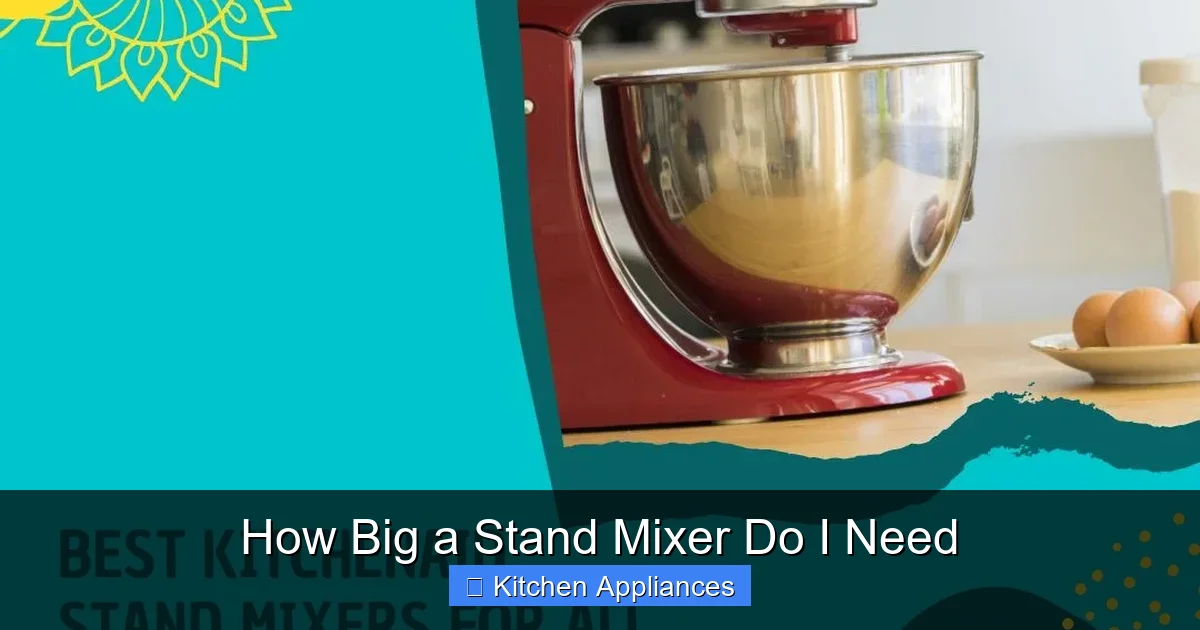
Visual guide about How Big a Stand Mixer Do I Need
Image source: jodysbakery.com
Your baking frequency and recipe volume are the biggest factors in choosing a stand mixer size. Ask yourself: How often do I bake? What kinds of recipes do I make most? How many people am I usually feeding?
If you bake once a week or less—maybe just birthday cakes or holiday cookies—a 4.5- to 5-quart mixer is likely sufficient. It can handle one standard batch of cookies (about 24–36 cookies), a double-layer cake, or a single loaf of bread. This size is also great for beginners or those with limited kitchen space.
On the other hand, if you’re the go-to baker for family gatherings, school events, or holiday feasts, you might benefit from a 6- or 7-quart model. These larger mixers can handle double batches of dough, thick pizza crusts, or large quantities of meringue without breaking a sweat.
Real-Life Examples
Let’s say you’re making cinnamon rolls for a brunch party. A single recipe might yield 12 rolls. A 5-quart mixer can handle that easily. But if you’re doubling the recipe to feed 20 people, you’ll need a 6-quart or larger mixer to mix the dough efficiently without overloading the motor.
Similarly, if you love making homemade pasta, a larger mixer with a pasta roller attachment can save hours of hand-rolling. But you’ll need the bowl capacity to mix the dough thoroughly before rolling.
Even if you don’t bake often, consider your future needs. Investing in a slightly larger mixer now might save you from upgrading later.
Kitchen Space and Storage Considerations
Before falling in love with a massive 7-quart stand mixer, take a moment to measure your kitchen. These appliances are not small—they can weigh 20 to 30 pounds and take up significant counter or cabinet space.
A 5-quart mixer is usually about 14 inches tall and 8 inches wide, fitting comfortably under most upper cabinets. But a 7-quart model can be over 16 inches tall and much heavier, making it harder to store or move.
If you have a small kitchen or limited counter space, consider a model that can be stored in a cabinet when not in use. Some brands offer tilt-head designs that are more compact than bowl-lift models, which can help save space.
Storage Tips
– Measure your cabinet height and depth before buying.
– Consider a stand mixer with a detachable bowl for easier storage.
– Use a dedicated cart or shelf to keep your mixer accessible but out of the way.
– If space is tight, a 4.5-quart model might be the best compromise between performance and practicality.
Remember, a stand mixer is a long-term investment. Choose one that fits your kitchen now—and will still work in five years.
Power vs. Capacity: What’s the Difference?
It’s easy to assume that a larger bowl means more power, but that’s not always true. Mixer power is measured in watts or horsepower (HP), and it determines how well the motor can handle thick doughs like bread or pizza.
For example, a 5-quart mixer with a 325-watt motor might struggle with heavy dough, while a 4.5-quart model with a 400-watt motor could handle it with ease. Always check the motor strength, not just the bowl size.
Motor Power Recommendations
– Light baking (whipping, cakes, cookies): 250–300 watts is sufficient.
– Moderate baking (bread, pie crusts): Look for 300–400 watts.
– Heavy-duty use (daily bread, large batches): Choose 400+ watts or 0.5+ HP.
Many high-end models, like the KitchenAid Artisan or Professional series, offer powerful motors in mid-sized bowls, giving you the best of both worlds.
Accessories and Versatility
One of the biggest advantages of a stand mixer is its ability to do more than just mix. With the right attachments, you can turn it into a pasta machine, meat grinder, vegetable slicer, or even an ice cream maker.
But not all attachments work with every model. Larger mixers often support more heavy-duty attachments, especially those that require extra torque, like grain mills or spiralizers.
Popular Attachments
– Pasta roller and cutter: Great for homemade fettuccine or ravioli.
– Meat grinder: Perfect for fresh burgers or sausage.
– Ice cream maker: Turns your mixer into a dessert machine.
– Grain mill: For grinding your own flour—ideal for bread lovers.
Before buying, check which attachments are compatible with your mixer size. Some smaller models may not support all accessories, especially those that require high power.
Cleaning and Maintenance by Size
Larger mixers aren’t just harder to store—they can also be trickier to clean. A 6-quart bowl is heavier and may not fit in standard dishwashers. Some models have dishwasher-safe bowls and attachments, but others require hand washing.
If you’re considering a larger mixer, think about how you’ll clean it. Removable bowls and flat beaters are easier to wash than fixed components. Also, regular maintenance—like wiping down the motor housing and checking for dough buildup—can extend your mixer’s life.
For detailed care tips, check out our guide on how to clean a stand mixer to keep your appliance in top shape.
Final Tips for Choosing the Right Size
When deciding how big a stand mixer you need, keep these tips in mind:
– Start with your most common recipes. How much dough or batter do you usually make?
– Consider your kitchen space and storage options.
– Don’t sacrifice power for size—look for a strong motor in a manageable bowl.
– Think long-term: Will this mixer grow with your baking skills?
– Read reviews and test models in-store if possible.
And if you’re still unsure, the 5-quart stand mixer is the sweet spot for most home bakers. It’s versatile, powerful, and fits most kitchens—without overwhelming your countertop.
For a deeper dive into how a stand mixer can transform your kitchen, explore our ultimate guide of stand mixer in kitchen.
Conclusion
Choosing the right stand mixer size isn’t just about picking the biggest model on the shelf. It’s about finding the perfect balance between capacity, power, and practicality for your unique baking life. Whether you’re whipping up a quick batch of brownies or kneading dough for a weekly bread ritual, the right mixer will make the process smoother, faster, and more enjoyable.
From small 3.5-quart models for occasional bakers to robust 7-quart workhorses for serious enthusiasts, there’s a stand mixer out there that fits your needs. Take the time to assess your habits, space, and goals—and you’ll end up with an appliance that becomes a trusted kitchen companion for years to come.
Frequently Asked Questions
What size stand mixer is best for a beginner?
A 4.5- to 5-quart stand mixer is ideal for beginners. It’s large enough to handle most basic recipes like cakes, cookies, and bread, but compact enough for small kitchens and easy storage.
Can I use a large stand mixer for small batches?
Yes, but very small amounts (like one egg white) may not mix well in a large bowl. Some models include a smaller bowl or a whisk attachment designed for light mixing to improve performance.
How many quarts do I need for bread dough?
For one loaf of bread, a 4.5-quart mixer is sufficient. For two or more loaves, choose a 5- to 7-quart model with a powerful motor (300+ watts) to handle the dense dough.
Is a 7-quart mixer too big for home use?
Not necessarily. If you bake frequently, entertain often, or make large batches, a 7-quart mixer can be a worthwhile investment. Just ensure you have enough counter or storage space.
Do all stand mixers come with attachments?
Most major brands offer a range of attachments, but they’re usually sold separately. Check compatibility with your model before purchasing. Larger mixers often support more heavy-duty accessories.
How do I know if my mixer is too small for a recipe?
Signs include dough sticking to the sides, motor straining or overheating, or batter spilling over. If this happens often, consider upgrading to a larger model or mixing in smaller batches.
