

Most stand mixer bowls are dishwasher safe, but it depends on the material and manufacturer guidelines. Always check your user manual first to avoid damage. While stainless steel and glass bowls typically handle dishwashers well, coated or non-stick versions may require hand washing to preserve their finish.
So, you’ve just finished whipping up a batch of fluffy meringue or kneading a loaf of artisan bread—your stand mixer did all the heavy lifting. Now comes the inevitable question: *Can I just pop that bowl in the dishwasher and call it a day?*
It’s a fair question. After all, stand mixers are workhorses in the kitchen, and cleaning up should be as easy as using them, right? But here’s the thing: not all stand mixer bowls are created equal when it comes to dishwasher safety. While some are built to handle the heat, spray, and strong detergents of a dishwasher cycle, others can suffer damage—scratches, warping, discoloration, or even coating breakdown—if you’re not careful.
The good news? Most modern stand mixer bowls *are* designed with cleaning in mind. But the key is knowing what yours is made of and following the manufacturer’s recommendations. In this guide, we’ll break down everything you need to know about whether your stand mixer bowl can go in the dishwasher, how to clean it properly, and how to keep it looking brand new for years to come.
Key Takeaways
- Check the manual: Always consult your stand mixer’s user guide before placing the bowl in the dishwasher.
- Stainless steel bowls are usually safe: These durable bowls can typically withstand dishwasher cycles without damage.
- Avoid dishwashers for coated or non-stick bowls: The harsh detergents and high heat can degrade special finishes over time.
- Glass bowls are generally dishwasher safe: But confirm with the manufacturer to avoid thermal shock or cracking.
- Hand washing extends lifespan: Even dishwasher-safe bowls last longer when gently cleaned by hand.
- Remove attachments first: Never put beaters, dough hooks, or whisks in the dishwasher unless specified as safe.
- Use mild detergent and cool water: This helps preserve the bowl’s shine and prevents clouding or discoloration.
📑 Table of Contents
Understanding Your Stand Mixer Bowl Material
Not all stand mixer bowls are made from the same materials, and that makes a big difference when it comes to cleaning. The most common materials include stainless steel, glass, and various coated or non-stick finishes. Each has its own care requirements.
Stainless Steel Bowls
Stainless steel is the most common material for stand mixer bowls—especially in popular models like KitchenAid. These bowls are durable, rust-resistant, and generally dishwasher safe. The smooth surface resists staining and odors, making cleanup a breeze.
However, even stainless steel can show water spots or cloudiness if exposed to hard water or harsh detergents over time. To keep your bowl gleaming, consider using a rinse aid in your dishwasher or wiping it dry after the cycle ends.
Glass Bowls
Glass bowls offer a non-reactive, easy-to-clean surface that’s great for mixing acidic ingredients like citrus or tomato-based sauces. Most glass bowls are dishwasher safe, but there’s a catch: thermal shock.
If your glass bowl is hot from mixing warm dough or batter, don’t plunge it into cold water or place it directly in a cold dishwasher. Sudden temperature changes can cause cracking. Let it cool to room temperature first. Also, avoid placing heavy items on top of the bowl in the dishwasher, as glass can chip under pressure.
Coated and Non-Stick Bowls
Some stand mixer models come with bowls that have a non-stick or enamel coating. These are fantastic for preventing batter from sticking, but they’re usually *not* dishwasher safe.
The high heat and strong detergents in dishwashers can break down the coating over time, leading to peeling, flaking, or reduced performance. If your bowl has a colored enamel finish or a non-stick surface, it’s best to hand wash it with warm, soapy water and a soft sponge.
What the Manufacturer Says Matters Most
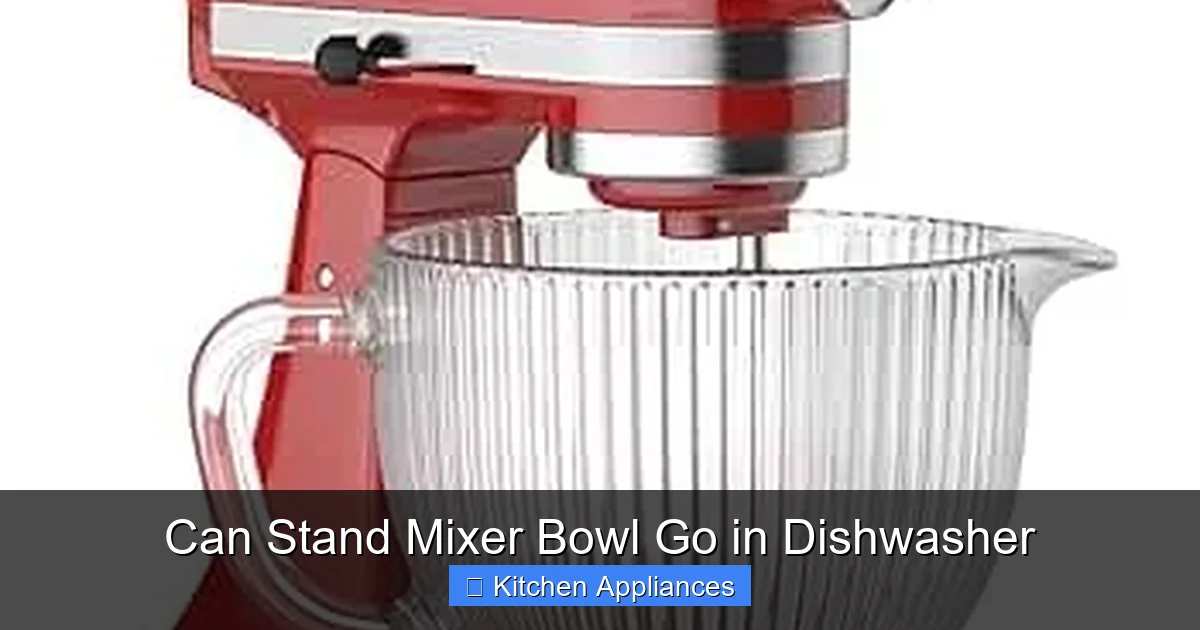
Visual guide about Can Stand Mixer Bowl Go in Dishwasher
Image source: m.media-amazon.com
When it comes to cleaning your stand mixer bowl, the most reliable source of truth is the user manual. Every brand and model has specific care instructions, and ignoring them could void your warranty or damage your appliance.
For example, KitchenAid states that most of their stainless steel and glass bowls are dishwasher safe, but they recommend placing them on the top rack to avoid direct exposure to heating elements. On the other hand, their ceramic and non-stick coated bowls should always be hand washed.
If you’ve misplaced your manual, don’t worry—most manufacturers post digital copies on their websites. A quick search for your model number will usually bring up the care instructions. Taking two minutes to check can save you from costly repairs or replacements down the line.
Dishwasher Safety: Best Practices
Even if your bowl is labeled as dishwasher safe, there are a few best practices to follow to ensure it stays in great condition.
Load It Correctly
Place the bowl on the top rack of the dishwasher, away from heating coils. This reduces exposure to extreme heat, which can cause warping or discoloration over time. Avoid nesting other heavy items inside or on top of the bowl, as this can lead to scratches or cracks.
Use the Right Detergent
Not all dishwasher detergents are created equal. Avoid powdered detergents with high alkalinity or chlorine, as they can leave a cloudy film on stainless steel or damage coatings. Opt for a mild, phosphate-free liquid or pod detergent instead.
Skip the Heated Dry Cycle
High heat during the drying phase can stress materials like glass and coated metals. If your dishwasher has a “no heat” or “air dry” option, use it. Alternatively, remove the bowl once the wash cycle is complete and let it air dry or gently towel it off.
Inspect After Each Wash
After running the dishwasher, take a moment to inspect your bowl. Look for signs of wear like discoloration, pitting, or coating damage. Catching issues early can help you adjust your cleaning routine before permanent damage occurs.
When to Hand Wash Instead
Even if your bowl is technically dishwasher safe, there are times when hand washing is the better choice.
For Longevity and Shine
Hand washing with warm water and a mild dish soap is gentler on your bowl. It helps preserve the finish, especially on stainless steel, and prevents water spots. Use a soft sponge or cloth—avoid steel wool or abrasive scrubbers, which can scratch the surface.
After Heavy Use
If you’ve been mixing thick dough, sticky batters, or greasy ingredients, a quick rinse before the dishwasher may not be enough. Hand washing allows you to scrub away stubborn residue without relying on harsh dishwasher cycles.
For Coated or Delicate Bowls
As mentioned earlier, any bowl with a non-stick, enamel, or painted finish should be hand washed. Use a soft sponge and avoid soaking for long periods, as prolonged exposure to water can weaken adhesives or cause peeling.
Cleaning Attachments and Accessories
While we’re on the topic of cleaning, don’t forget about the attachments! Beaters, dough hooks, and whisks also need regular care.
Most metal attachments are dishwasher safe, but again, check the manual. Some plastic or silicone parts may warp or degrade in high heat. For best results, wash metal attachments by hand with warm, soapy water and dry immediately to prevent rust.
Pro tip: After washing, store attachments in a dry place or in their original storage case to keep them organized and protected.
Maintaining Your Stand Mixer Bowl Over Time
A little maintenance goes a long way in keeping your stand mixer bowl looking and performing like new.
Regular Deep Cleaning
Even with regular washing, mineral deposits and grease can build up over time. Once a month, give your bowl a deep clean by soaking it in warm water with a cup of white vinegar for 15–20 minutes. This helps dissolve hard water stains and odors. Rinse thoroughly and dry.
Avoid Harsh Chemicals
Bleach, ammonia, and abrasive cleaners can damage finishes and leave behind harmful residues. Stick to gentle, food-safe cleaning products.
Store Properly
When not in use, store your bowl in a dry, dust-free area. If stacking, place a soft cloth or paper towel between bowls to prevent scratching.
Final Thoughts: Can Stand Mixer Bowl Go in Dishwasher?
So, can your stand mixer bowl go in the dishwasher? In most cases, yes—but with important caveats. Stainless steel and glass bowls are typically safe, while coated or non-stick versions usually require hand washing. Always refer to your user manual, follow best practices for loading and detergent use, and consider hand washing for long-term care.
Taking a few extra minutes to clean your bowl properly not only keeps it looking great but also ensures your stand mixer continues to perform at its best. After all, this is one kitchen appliance that deserves a little TLC.
For more tips on getting the most out of your stand mixer, check out our Ultimate Guide Of Stand Mixer In Kitchen or learn how to keep every part sparkling with our guide on How To Clean A Stand Mixer.
Frequently Asked Questions
Can I put my KitchenAid stand mixer bowl in the dishwasher?
Yes, most KitchenAid stainless steel and glass bowls are dishwasher safe. Place them on the top rack and avoid the heated dry cycle for best results. Always check your model’s manual to confirm.
Will dishwashing damage my non-stick stand mixer bowl?
Yes, dishwashers can damage non-stick or coated bowls over time. The high heat and strong detergents may cause the coating to peel or degrade. Hand washing is recommended.
Can I wash my stand mixer attachments in the dishwasher?
Most metal attachments are dishwasher safe, but plastic or silicone parts may not be. Check the manufacturer’s instructions and avoid placing them near heating elements.
Why is my stainless steel bowl cloudy after dishwashing?
Cloudiness is often caused by hard water or harsh detergents. Use a rinse aid or hand dry the bowl after washing to restore shine.
Is it safe to soak my stand mixer bowl overnight?
Soaking is fine for stainless steel and glass bowls, but avoid soaking coated or non-stick bowls, as prolonged water exposure can damage the finish.
Can I use bleach to clean my stand mixer bowl?
No, bleach can corrode metal and damage coatings. Stick to mild dish soap and vinegar for safe, effective cleaning.
