

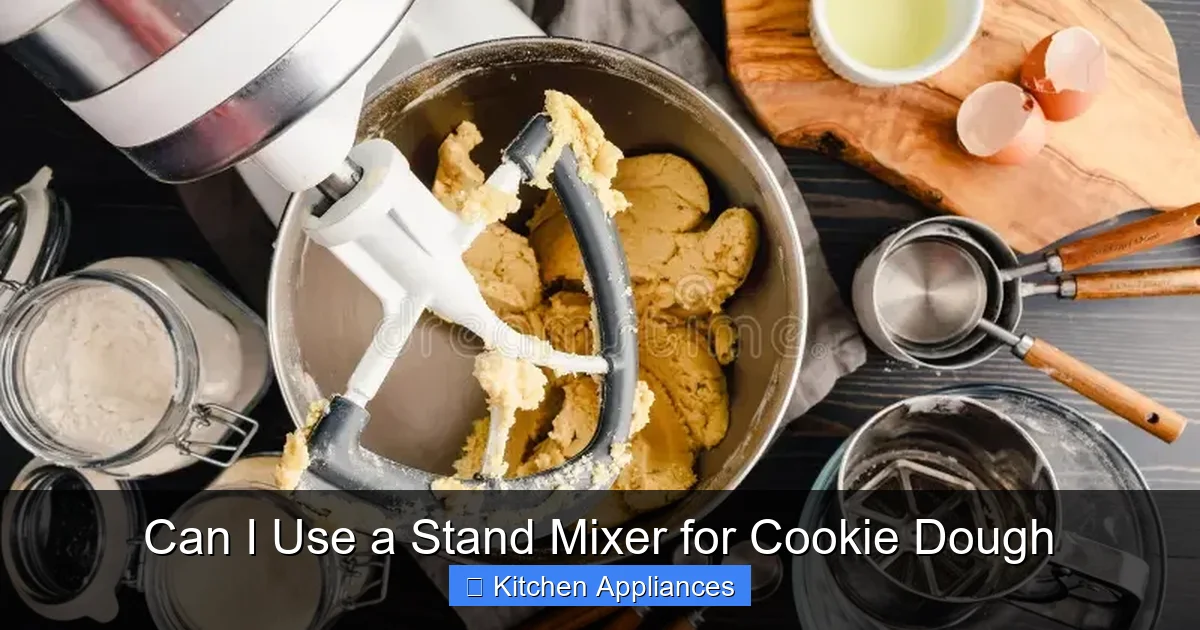
Absolutely—you can use a stand mixer for cookie dough, and it’s one of the best tools for the job. It saves time, ensures even mixing, and delivers consistent results whether you’re making chocolate chip, sugar, or oatmeal cookies.
Key Takeaways
- Stand mixers are ideal for cookie dough: They handle thick batters with ease and provide even mixing without overworking the dough.
- Use the paddle attachment: The flat beater (paddle) is best for creaming butter and sugar and combining dry ingredients.
- Don’t overmix: Mix just until ingredients are combined to avoid tough cookies.
- Adjust speed settings wisely: Start low to prevent splattering, then increase as needed.
- Chill dough when necessary: Some recipes benefit from chilling, especially if using a stand mixer that generates heat.
- Clean attachments promptly: Dried dough can be hard to remove—rinse paddle and bowl right after use.
- Upgrade your baking game: A stand mixer makes large batches easy and frees up your hands for other prep work.
📑 Table of Contents
- Can I Use a Stand Mixer for Cookie Dough? The Short Answer
- Why a Stand Mixer Is Perfect for Cookie Dough
- How to Use a Stand Mixer for Cookie Dough
- Tips for Best Results
- Common Mistakes to Avoid
- Stand Mixer vs. Hand Mixer for Cookie Dough
- Conclusion: Yes, Your Stand Mixer Belongs in the Cookie Kitchen
Can I Use a Stand Mixer for Cookie Dough? The Short Answer
If you’ve ever stood at the counter, arm aching from stirring thick cookie dough by hand, you’ll be thrilled to know there’s a better way. Yes, you can absolutely use a stand mixer for cookie dough—and you should! In fact, many professional bakers and home cooks rely on stand mixers as their go-to tool for mixing cookies. Not only does it save time and effort, but it also ensures your dough is perfectly blended every single time.
Stand mixers are designed to handle heavy, dense batters like cookie dough with ease. Whether you’re making classic chocolate chip, chewy oatmeal raisin, or delicate shortbread, a stand mixer gives you consistent results without the wrist strain. Plus, it frees up your hands to measure ingredients, line baking sheets, or sip your coffee while your mixer does the work.
Why a Stand Mixer Is Perfect for Cookie Dough
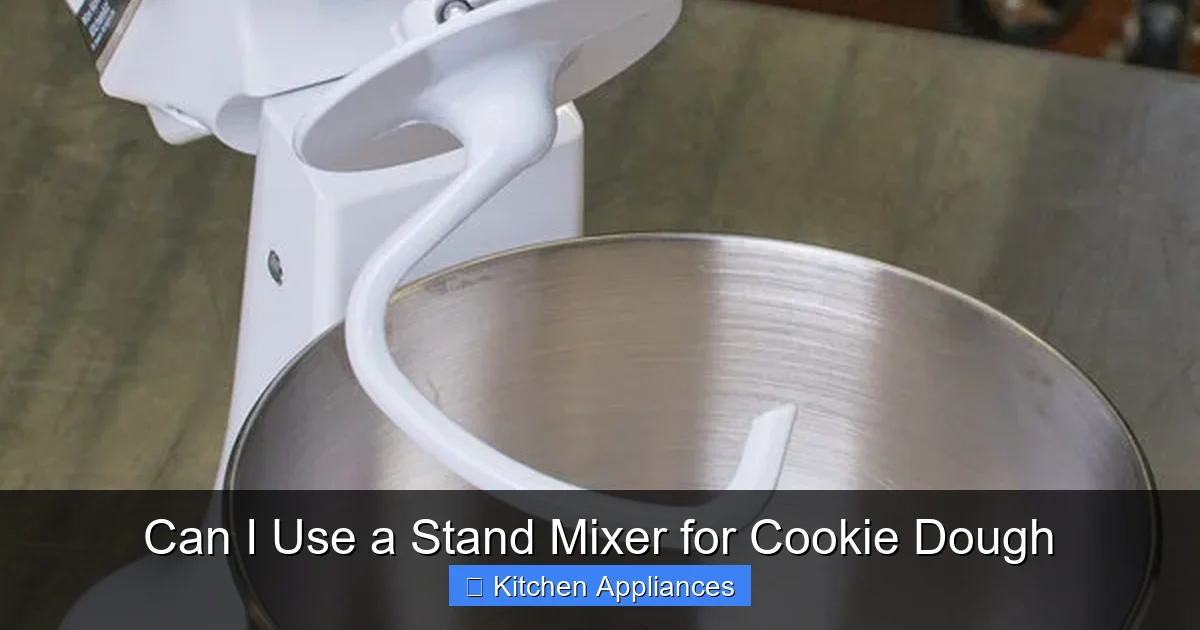
Visual guide about Can I Use a Stand Mixer for Cookie Dough
Image source: cdnimg.webstaurantstore.com
Consistent Mixing Every Time
One of the biggest advantages of using a stand mixer is consistency. Hand mixing can lead to uneven distribution of ingredients—some bites might be extra chocolatey, while others are dry. A stand mixer, especially with the paddle attachment, ensures that butter, sugar, eggs, and dry ingredients are blended uniformly. This means every cookie bakes evenly and tastes the same.
Handles Thick Doughs with Ease
Cookie dough can get pretty thick, especially after adding flour and mix-ins like nuts or chocolate chips. Hand mixing thick dough is tiring and time-consuming. A stand mixer powers through it effortlessly. Even high-ratio doughs—like those with extra butter or brown sugar—are no match for the motor strength of a quality stand mixer.
Saves Time and Energy
Imagine making a double batch of cookies for a party or holiday gathering. Doing that by hand would take forever. With a stand mixer, you can mix large quantities quickly and move on to shaping and baking. It’s a total game-changer for busy bakers.
Reduces Risk of Overmixing (When Used Correctly)
While overmixing can be a concern, a stand mixer actually helps prevent it—if you know how to use it right. Unlike hand mixers that can whip air into dough too quickly, stand mixers allow you to control the speed and duration. You can stop the moment ingredients are combined, preserving the tender texture your cookies need.
How to Use a Stand Mixer for Cookie Dough
Step 1: Choose the Right Attachment
Most stand mixers come with three main attachments: the whisk, the dough hook, and the paddle (flat beater). For cookie dough, always use the paddle attachment. It’s designed to scrape the sides and bottom of the bowl while mixing, ensuring even blending without over-aerating the dough.
The whisk is better for whipping cream or egg whites, and the dough hook is meant for heavy bread doughs—not ideal for cookies.
Step 2: Start at Low Speed
Begin mixing at the lowest speed to prevent ingredients from flying out of the bowl. This is especially important when creaming butter and sugar. Once the mixture starts to come together, you can gradually increase the speed to medium.
For example, when creaming room-temperature butter and sugar, start on speed 2 or 3 (depending on your mixer) for about 2–3 minutes until light and fluffy. Then add eggs one at a time, mixing just until incorporated.
Step 3: Add Dry Ingredients Gradually
Once your wet ingredients are combined, add the dry ingredients (flour, baking soda, salt, etc.) in batches. This prevents flour from puffing up and creating a mess. Use the lowest speed or the “stir” setting to incorporate the flour just until no dry streaks remain.
Pro tip: Toss mix-ins like chocolate chips or nuts in a little flour before adding them. This helps them distribute evenly and prevents them from sinking to the bottom during mixing.
Step 4: Don’t Overmix
This is crucial. Overmixing cookie dough develops gluten, which can lead to tough, chewy cookies instead of soft and tender ones. As soon as the flour is incorporated and the dough looks uniform, stop mixing. It’s okay if a few small flour streaks remain—they’ll disappear during baking.
Step 5: Scrape the Bowl
Use a silicone spatula to scrape down the sides and bottom of the bowl halfway through mixing and again at the end. This ensures everything is evenly combined and nothing gets left behind.
Tips for Best Results
Use Room-Temperature Ingredients
For the creamiest, smoothest dough, make sure your butter and eggs are at room temperature. Cold butter won’t cream properly, and cold eggs can cause the butter to seize, leading to a greasy or lumpy dough. Take them out of the fridge 30–60 minutes before baking.
Chill the Dough When Needed
Some cookie recipes—especially those with a high fat content—benefit from chilling. If your dough feels too soft or sticky after mixing, cover it and refrigerate for 30 minutes to an hour. This firms up the butter, prevents spreading, and enhances flavor.
Clean Your Mixer Promptly
Cookie dough can dry and harden quickly, making cleanup a nightmare if you wait. Rinse the bowl and paddle attachment with warm water right after use. For stuck-on bits, soak them briefly before washing.
Upgrade Your Mixing Experience
If you’re serious about baking, consider investing in a high-quality stand mixer. Models like the KitchenAid Artisan or the Bosch Universal Plus offer powerful motors and durable construction. For a deep dive into choosing the right model, check out our Ultimate Guide of Stand Mixer in Kitchen.
Common Mistakes to Avoid
Using the Wrong Attachment
As mentioned, the dough hook is not for cookies. It’s designed for kneading bread dough and can overwork cookie dough, leading to a dense texture. Stick with the paddle.
Overmixing the Dough
Even with a stand mixer, it’s easy to get carried away. Set a timer if needed. Most cookie doughs only need 30 seconds to 1 minute of mixing after adding flour.
Adding Ingredients Too Quickly
Pour dry ingredients in slowly to avoid clouds of flour. Add eggs one at a time, allowing each to incorporate before adding the next.
Ignoring the Scrape-Down Step
Skipping this step leads to uneven mixing. Always pause and scrape the bowl at least once during the process.
Stand Mixer vs. Hand Mixer for Cookie Dough
While hand mixers can work in a pinch, they’re not ideal for thick cookie dough. They lack the power and stability of a stand mixer and can overheat with prolonged use. Hand mixers also require you to hold them, which means you can’t multitask.
A stand mixer, on the other hand, sits securely on your counter and mixes hands-free. You can measure ingredients, prep baking sheets, or even start preheating the oven while it runs. For frequent bakers or large batches, a stand mixer is a worthwhile investment.
That said, if you only bake cookies occasionally, a hand mixer might suffice—but don’t expect the same level of control or consistency.
Conclusion: Yes, Your Stand Mixer Belongs in the Cookie Kitchen
So, can you use a stand mixer for cookie dough? Absolutely—and you’ll wonder how you ever baked without it. From creamy butter-sugar bases to perfectly blended flour and mix-ins, a stand mixer delivers professional-quality results with minimal effort. It’s reliable, efficient, and built to handle the demands of even the thickest doughs.
Whether you’re baking a dozen cookies for a snack or 50 for a bake sale, your stand mixer will be your best friend in the kitchen. Just remember to use the right attachment, mix at the right speed, and stop as soon as the dough comes together. With these tips, you’ll be whipping up soft, chewy, delicious cookies every time.
And if you’re looking to expand your baking toolkit, don’t forget to explore our Ultimate Guide of Stand Mixer in Kitchen for tips on maintenance, attachments, and recipe ideas.
Frequently Asked Questions
Can I use a stand mixer for all types of cookie dough?
Yes, a stand mixer works well for most cookie doughs, including chocolate chip, sugar, oatmeal, and peanut butter. Avoid using it for very stiff doughs like shortbread unless your mixer is heavy-duty.
What speed should I use when mixing cookie dough?
Start on low speed (1–2) to combine ingredients, then increase to medium (4–6) for creaming butter and sugar. Reduce to low again when adding flour to prevent overmixing.
Can I overmix cookie dough in a stand mixer?
Yes, overmixing develops gluten and can make cookies tough. Mix just until ingredients are combined—usually 30–60 seconds after adding flour.
Should I chill cookie dough after mixing in a stand mixer?
It depends on the recipe. Chilling helps firm up soft doughs and prevents spreading. If your dough feels too sticky or warm, refrigerate it for 30 minutes before baking.
Can I use the dough hook for cookie dough?
No, the dough hook is for bread dough. Use the paddle attachment for cookies to ensure even mixing without overworking the dough.
How do I clean my stand mixer after making cookie dough?
Remove the bowl and paddle, then rinse them with warm water immediately. Soak if needed, and dry thoroughly before storing. Wipe the mixer base with a damp cloth.
