

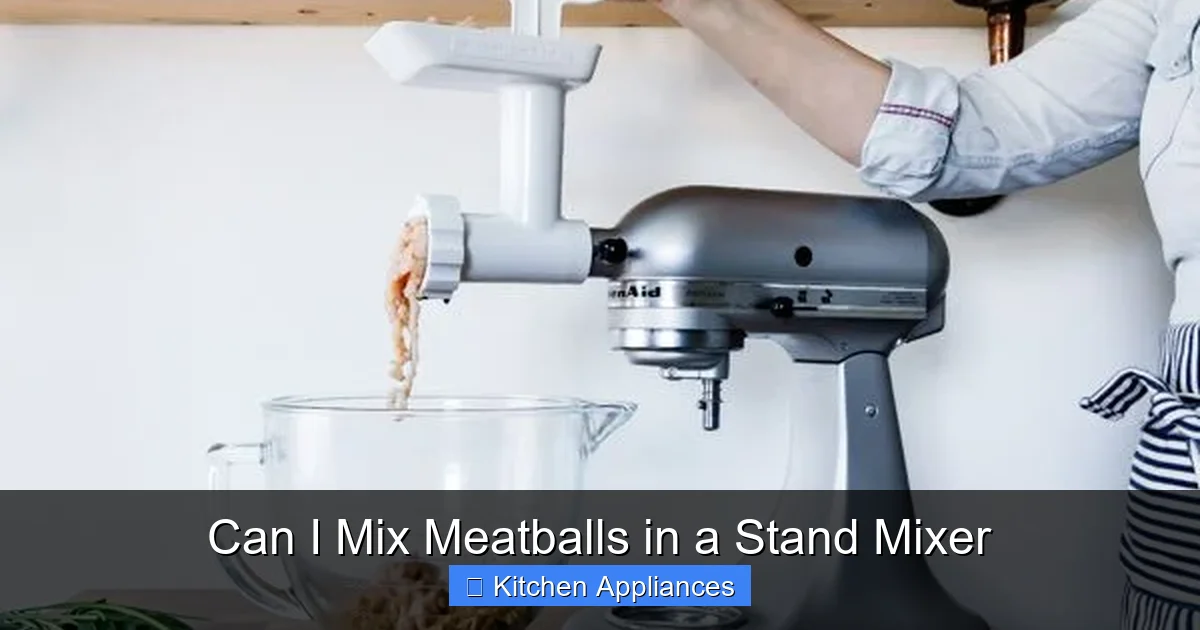
Mixing meatballs in a stand mixer is not only possible—it’s efficient and effective. With the right bowl size, paddle attachment, and mixing technique, you can achieve a uniform, tender texture without overworking the meat. Just remember: less is more when it comes to mixing time.
Key Takeaways
- Yes, you can mix meatballs in a stand mixer: It’s faster and more consistent than hand-mixing, especially for large batches.
- Use the paddle attachment: Avoid the dough hook or whisk—they can overwork the meat and make it tough.
- Keep ingredients cold: Cold meat and binders help maintain structure and prevent the mixture from becoming greasy.
- Mix on low speed: High speeds generate heat and can break down proteins, leading to dense meatballs.
- Don’t overmix: Stop as soon as ingredients are combined—usually 30–60 seconds—to keep meatballs tender.
- Test your mix: Fry a small test patty to check seasoning and texture before shaping all your meatballs.
- Clean your mixer properly: Raw meat residue requires thorough cleaning to avoid cross-contamination.
📑 Table of Contents
- Can I Mix Meatballs in a Stand Mixer? The Short Answer
- Why Use a Stand Mixer for Meatballs?
- Choosing the Right Attachment and Settings
- Step-by-Step Guide to Mixing Meatballs in a Stand Mixer
- Common Mistakes to Avoid
- Tips for Perfect Meatballs Every Time
- Conclusion: Yes, Your Stand Mixer Is a Meatball MVP
Can I Mix Meatballs in a Stand Mixer? The Short Answer
If you’ve ever stood over a bowl, hands cramping from kneading ground beef, breadcrumbs, eggs, and seasonings, you’ve probably wondered: *Can I just use my stand mixer?* The good news? Absolutely—yes, you can mix meatballs in a stand mixer. In fact, many professional chefs and home cooks rely on this method for consistency, speed, and ease.
Stand mixers aren’t just for cakes and bread dough. With the right setup, they’re excellent tools for combining meat mixtures quickly and evenly. Whether you’re making Swedish meatballs, Italian-style, or spicy turkey versions, a stand mixer can save you time and effort—especially when preparing large quantities for family dinners or meal prep.
But before you toss everything into the bowl and hit “high,” there are a few key things to know. Using the wrong attachment, mixing too long, or using warm ingredients can turn your tender meatballs into dense, rubbery disappointments. The secret lies in technique, timing, and temperature.
Why Use a Stand Mixer for Meatballs?
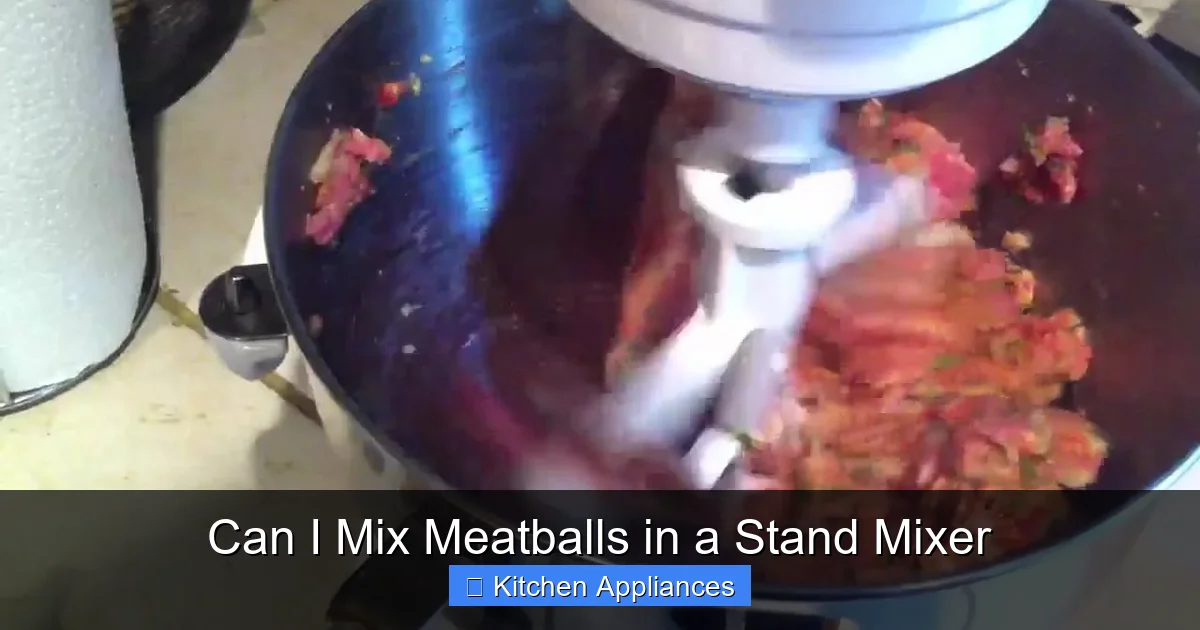
Visual guide about Can I Mix Meatballs in a Stand Mixer
Image source: i.ytimg.com
Hand-mixing meatball ingredients works fine for small batches, but it’s time-consuming and inconsistent. Your hands warm the meat, and uneven mixing can lead to pockets of seasoning or dry spots. A stand mixer solves these problems by offering controlled, even blending with minimal effort.
One major advantage is consistency. When you mix by hand, it’s easy to under- or overwork the meat. A stand mixer, especially on low speed, ensures everything combines uniformly without over-manipulation. This is crucial because overmixing activates proteins like myosin, which can make meatballs tough and chewy.
Another benefit? Efficiency. If you’re making 50 meatballs for a party or freezing meals for the week, a stand mixer cuts prep time in half. You can mix, shape, and cook while the mixer does the heavy lifting. Plus, it frees up your hands for other tasks—like preheating the oven or setting the table.
Stand Mixer vs. Hand Mixing: A Quick Comparison
Let’s break it down:
- Speed: A stand mixer combines ingredients in under a minute. Hand mixing takes 3–5 minutes and requires constant effort.
- Consistency: The paddle attachment ensures even distribution of breadcrumbs, eggs, and spices. Hand mixing often leaves clumps.
- Temperature control: Stand mixers generate less friction heat than hand kneading, helping keep the meat cold—a key factor in texture.
- Cleanup: While both require washing, a stand mixer bowl and attachment are dishwasher-safe (in most models), making cleanup easier.
For anyone who regularly cooks meat-based dishes, investing a few minutes to learn proper stand mixer use is well worth it.
Choosing the Right Attachment and Settings
Not all stand mixer attachments are created equal—especially when it comes to meat. Using the wrong one can ruin your meatball mix.
The Best Attachment: Flat Paddle
The flat paddle (sometimes called the flat beater) is your best friend for meatballs. It gently folds and combines ingredients without overworking them. Unlike the dough hook—which is designed to knead and develop gluten—the paddle mimics hand-mixing motions, making it ideal for delicate meat mixtures.
Avoid the whisk attachment at all costs. It’s meant for whipping cream or egg whites, and its rapid spinning will tear apart your meat mixture, creating a pasty, unworkable mess.
Speed Matters: Stick to Low
Always mix meatball ingredients on the lowest speed setting—usually labeled “Stir” or “1” on most models. High speeds generate heat through friction, which can prematurely cook the meat and cause fat to melt. This leads to greasy, crumbly meatballs that fall apart during cooking.
Start by pulsing a few times to incorporate dry and wet ingredients, then switch to continuous low-speed mixing. Most experts recommend mixing for no more than 30–60 seconds total. You’re aiming for a uniform color and texture—not a smooth paste.
Bowl Size and Capacity
Make sure your stand mixer bowl is large enough to hold the mixture without overflowing. A 4.5-quart bowl works for up to 2 pounds of meat. For larger batches, consider mixing in two rounds or using a larger-capacity model.
Overfilling the bowl restricts the paddle’s movement and leads to uneven mixing. It also increases the risk of splattering raw meat around your kitchen—definitely not ideal.
Step-by-Step Guide to Mixing Meatballs in a Stand Mixer
Ready to try it? Follow this simple process for perfect results every time.
Step 1: Chill Your Ingredients
Cold ingredients are non-negotiable. Chill your ground meat, breadcrumbs, and mixing bowl in the fridge for 15–20 minutes before starting. Cold fat holds its shape better during mixing and cooking, resulting in juicier meatballs.
Pro tip: If using fresh herbs or onions, sauté them first and let them cool completely. Warm ingredients raise the overall temperature of the mix.
Step 2: Add Ingredients in Order
Start with the ground meat in the bowl. Add wet ingredients first—egg, milk, or broth—then sprinkle in dry ingredients like breadcrumbs, cheese, and seasonings. This order prevents dry pockets and ensures even distribution.
Avoid dumping everything in at once. Layering helps the mixer combine everything smoothly.
Step 3: Mix on Low Speed
Attach the flat paddle and set the mixer to the lowest speed. Pulse 2–3 times to start, then mix continuously for 30–60 seconds. Stop as soon as the mixture looks uniform—no streaks of egg or breadcrumbs.
Overmixing is the #1 mistake. Once proteins bond too tightly, you can’t undo it. Your meatballs will be dense and dry.
Step 4: Test Before Shaping
Take a small spoonful of the mix and fry it in a pan. Taste it. Is it seasoned well? Does it hold together? Adjust with salt, pepper, or herbs if needed. This step saves you from under-seasoned meatballs later.
Step 5: Shape and Cook
Once satisfied, remove the bowl and shape your meatballs by hand or with a scoop. Bake, fry, or simmer in sauce as desired.
Common Mistakes to Avoid
Even with the right tools, it’s easy to go wrong. Here are the most common pitfalls—and how to avoid them.
Overmixing the Meat
This is the biggest offender. Mixing too long develops too much protein structure, turning your meatballs into hockey pucks. Remember: mix just until combined. If you see a smooth, paste-like texture, you’ve gone too far.
Using Warm Ingredients
Warm meat = melted fat = greasy, falling-apart meatballs. Always chill your ingredients and work quickly. If the kitchen is hot, place the mixing bowl in a larger bowl of ice water during mixing.
Wrong Attachment or Speed
Using the dough hook or high speed is a recipe for disaster. Stick to the flat paddle and low speed only.
Skipping the Test Patty
Never skip tasting your mix. Seasoning can vary based on meat type and breadcrumbs. A quick fry test ensures flavor and texture are on point.
Not Cleaning Thoroughly
Raw meat requires careful cleaning. Wash the bowl, paddle, and any utensils in hot, soapy water immediately after use. Sanitize if possible to prevent bacteria growth.
Tips for Perfect Meatballs Every Time
Want to level up your meatball game? Try these pro tips:
- Use a mix of meats: Combine beef, pork, and veal for depth of flavor and tenderness.
- Add moisture: A splash of milk or broth keeps meatballs juicy.
- Bind with panko: Panko breadcrumbs absorb liquid better than regular crumbs, preventing dryness.
- Don’t skip the egg: It acts as a binder. Use one egg per pound of meat.
- Chill before cooking: Let shaped meatballs rest in the fridge for 15 minutes. This helps them hold their shape.
- Bake instead of fry: Baking at 375°F (190°C) for 20–25 minutes reduces grease and ensures even cooking.
For more stand mixer tips and recipes, check out our Ultimate Guide of Stand Mixer in Kitchen—a comprehensive resource for getting the most out of your appliance.
Conclusion: Yes, Your Stand Mixer Is a Meatball MVP
So, can you mix meatballs in a stand mixer? Absolutely—and you should. It’s faster, more consistent, and less messy than hand-mixing. With the right attachment, low speed, and cold ingredients, your stand mixer becomes a powerful tool for creating tender, flavorful meatballs every time.
Just remember: less is more. Mix only until combined, keep everything cold, and always test your seasoning. Whether you’re making a Sunday sauce or prepping freezer meals, your stand mixer can handle the job with ease.
And if you’re new to stand mixers or want to explore other uses—like kneading dough or whipping meringues—don’t miss our detailed guide on how to use a stand mixer in the kitchen. It’s packed with tips, tricks, and recipes to help you master your machine.
So go ahead—fire up that mixer, toss in your ingredients, and let it do the work. Your hands (and your taste buds) will thank you.
Frequently Asked Questions
Can I use a hand mixer instead of a stand mixer for meatballs?
Yes, but it’s less efficient. Hand mixers can work, but they’re harder to control and may overmix the meat if used too long. A stand mixer offers better stability and even mixing.
What happens if I overmix meatball mixture?
Overmixing develops too much protein, making meatballs tough and dense. Stop mixing as soon as ingredients are combined to keep them tender.
Can I mix meatballs in a food processor?
Technically yes, but it’s not recommended. Food processors can overprocess meat quickly, turning it into a paste. A stand mixer gives you more control.
Do I need to chill the mixing bowl?
Yes! A cold bowl helps keep the meat mixture cool, preventing fat from melting and ensuring better texture in the final meatballs.
Can I freeze meatball mixture before shaping?
Absolutely. Shape the mixture into balls, freeze on a tray, then transfer to a bag. Cook from frozen by adding 5–7 minutes to baking time.
What’s the best meat for meatballs?
A blend of beef, pork, and veal is ideal for flavor and moisture. Ground turkey or chicken works too—just add extra fat or broth to keep them juicy.
